
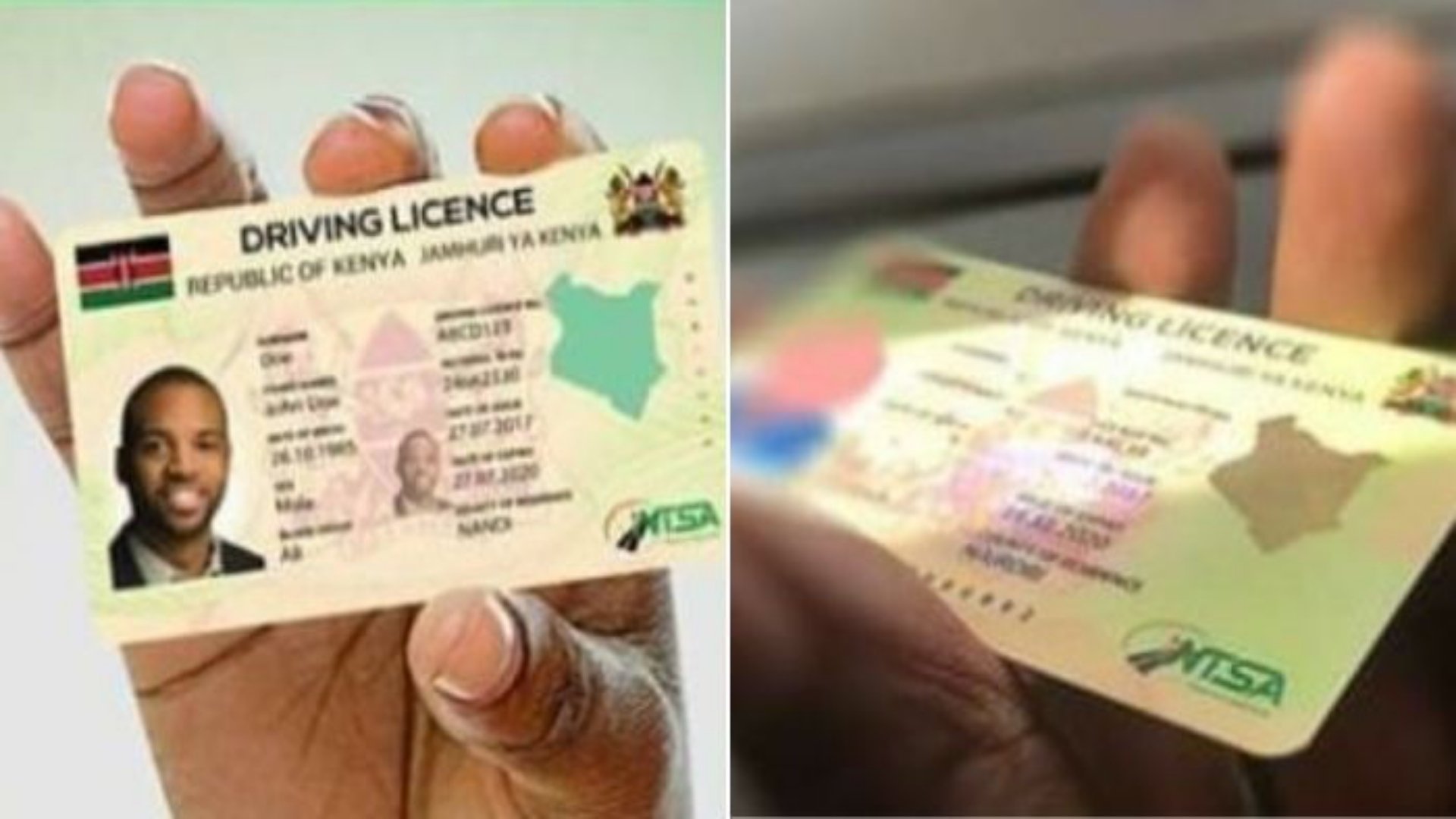

The Kenyan Cabinet has formally approved the framework for introducing a new generation of driving licenses through a Public-Private Partnership (PPP) agreement.
This decision establishes the necessary operational pathway for a private sector partner to be engaged in a significant national infrastructure upgrade, which will ultimately see the current smart card licenses phased out across the country.
The move marks the second major overhaul of the national driver identification system within the last decade. The licenses slated for replacement were initially rolled out by the National Transport and Safety Authority (NTSA) in 2017.
That system was introduced to replace the older paper booklets and incorporated a points-based demerit mechanism intended to manage traffic offenses and improve road safety compliance.
Utilising the PPP model signals the government’s intent to leverage private sector investment and specialised expertise for the procurement, establishment, and maintenance of the new technological platform and issuance infrastructure.
While the full scope of the project’s financial commitment remains undisclosed, the Cabinet’s approval confirms the critical procurement strategy required for the complex system replacement.
The overall aim of the replacement is to enhance the security features and functionality of the country’s driver documentation.
Comments (0)
Leave a Comment
No comments yet. Be the first to share your thoughts!