
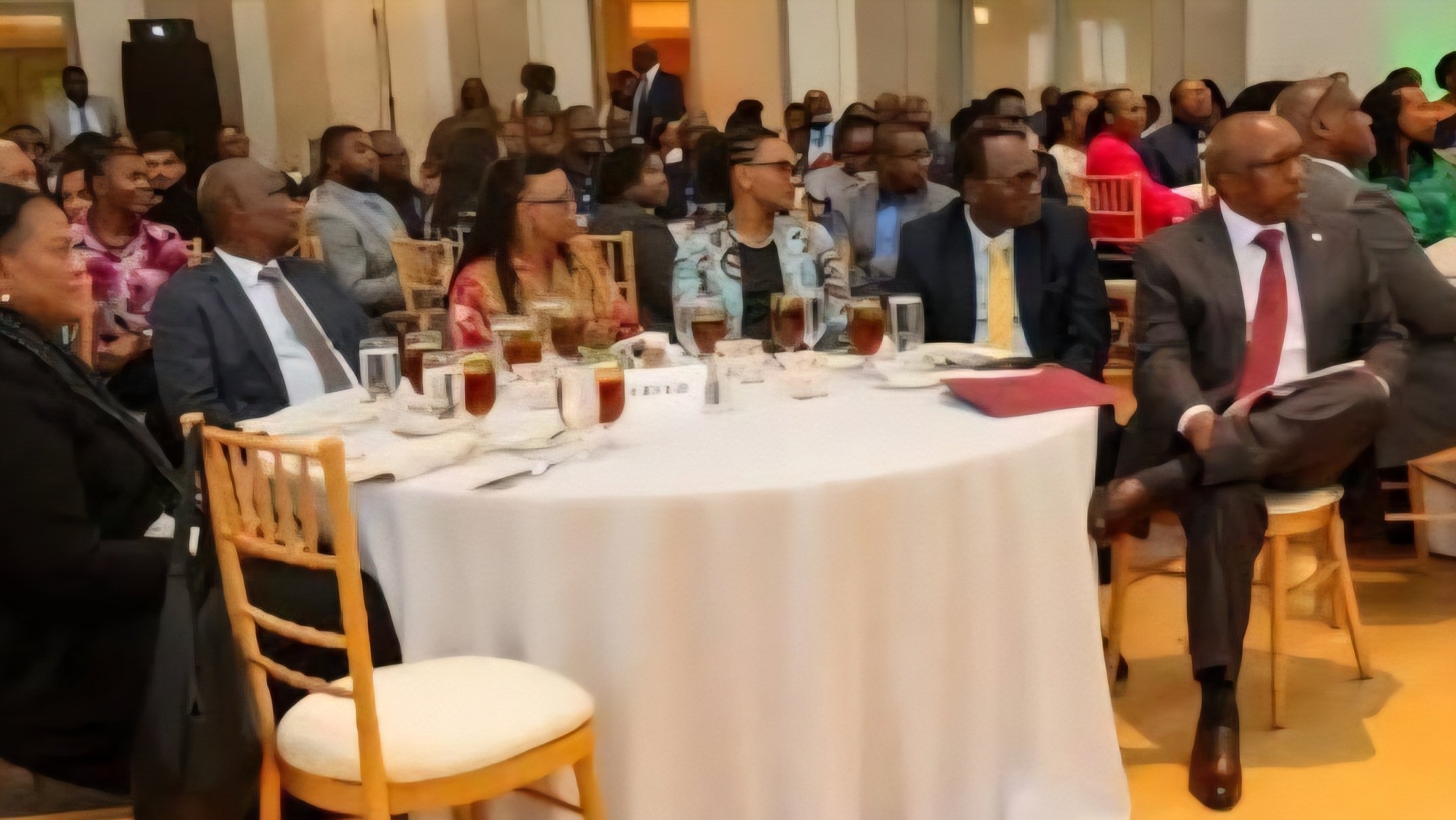

The Embassy of the Republic of Kenya in Washington DC has commenced a new phase of its Mobile Consular Services (MCS) program, targeting Kenyan citizens residing in Texas and Kansas.
Following a successful outreach in Los Angeles where Kenyans processed identification documents and birth certificates, the initiative has moved to the Richardson Church of the Nazarene in Dallas. This three-day exercise, which concludes on April 29, 2026, focuses on clearing a backlog of passport and national ID applications.
Ambassador David Kerich noted that the outreach reflects a strategic focus on the diaspora, who remain central to national development. By bringing biometrics and certification services to regional hubs, the Embassy intends to reduce the travel burden on Kenyans who would otherwise commute to Washington DC or Los Angeles.
The Dallas event saw a high turnout from the local community on its opening day. Services provided include the processing of e-passports, the issuance of birth certificates, and applications for those seeking to regain Kenyan citizenship.
The program is scheduled to move to Kansas City from May 1 to May 3, 2026. This session will offer similar assistance, with designated windows for passport biometrics and ID processing.
Under the leadership of President Ruto, the government has emphasized the economic importance of the diaspora. Remittances currently stand as the largest source of foreign exchange for the country, prompting the State Department for Diaspora Affairs to prioritize decentralized service delivery.
The Embassy has implemented an online booking system to manage the high volume of applicants. Each individual is required to secure a specific time slot for biometric capture, ensuring the mobile teams can handle the logistics of large-scale document processing in temporary locations.
While the current drive focuses on Texas and Kansas, the Embassy has indicated that similar exercises will be prioritized in other states with significant Kenyan populations. The goal remains to empower the diaspora to participate in the socio-economic transformation of their home country through easier access to essential documentation.
Comments (0)
Leave a Comment
No comments yet. Be the first to share your thoughts!