
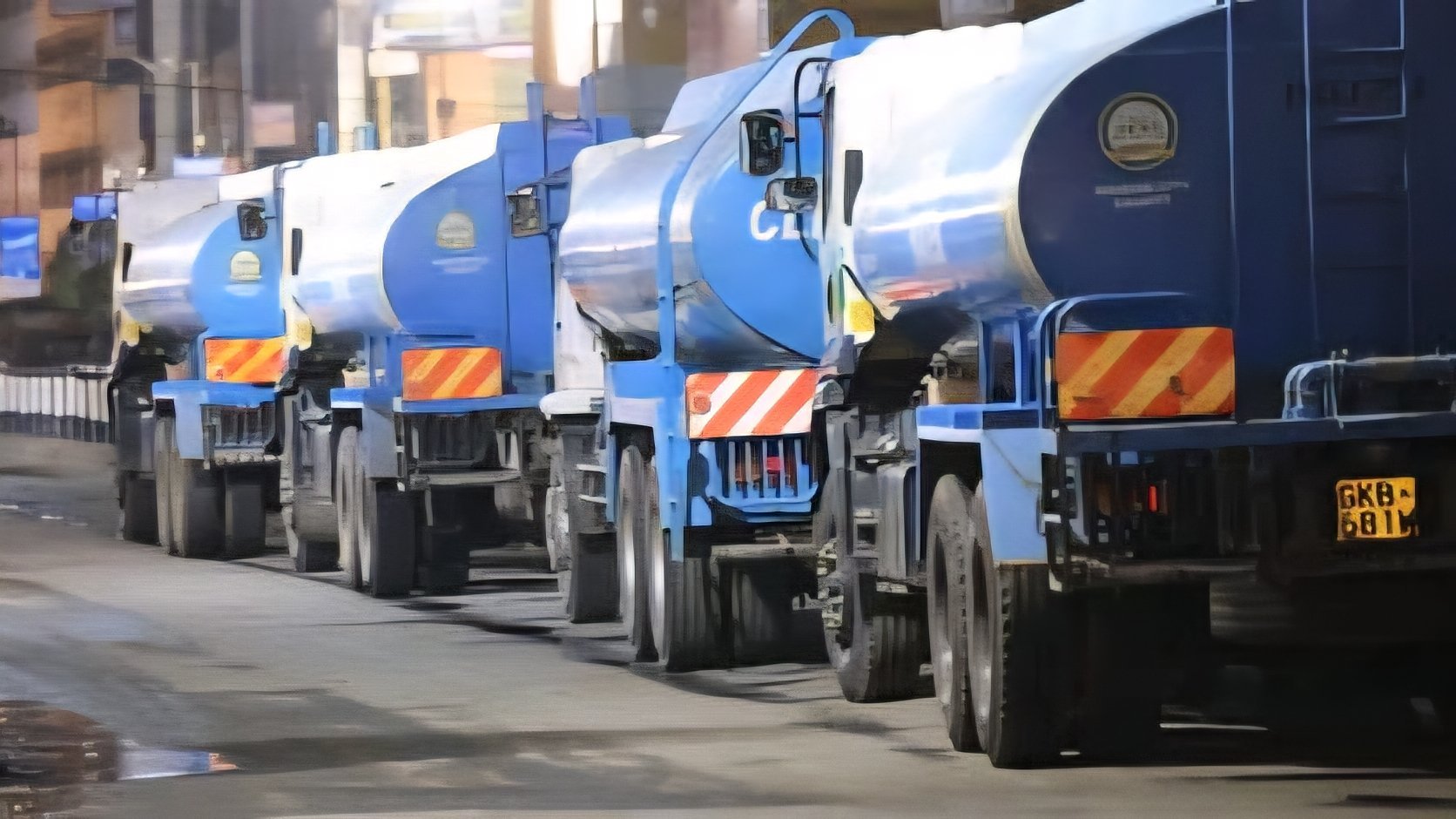

Kenyan oil marketers exported 48 million litres of substandard petrol to regional markets after government regulators prohibited its distribution within the domestic market.
The decision to redirect the consignment followed official intervention blocking the fuel from entering local retail pumps due to quality non-compliance.
The export consignment was split between two primary regional destinations, with 28 million litres shipped to Democratic Republic of Congo (DRC). The remaining 20 million litres were transported across the border into South Sudan.
The domestic ban was enforced after tests confirmed that the imported fuel failed to meet local quality specifications. Rather than destroying or re-refining the product, energy sector players opted to export the volume to neighboring markets where different commercial arrangements applied.
Questions have emerged regarding the handling and mixing of the fuel stock prior to its final export clearance. Regional observers noted that portions of non-compliant fuel may have been stored in shared logistics reservoirs before being cleared for transit across borders.
Cross-border fuel trade remains a vital economic channel across East Africa, with Kenya serving as the primary transit corridor for refined petroleum products entering landlocked economies.
Energy distribution networks routinely handle large-volume consignments destined for multiple jurisdictions, relying on pipeline and tanker transportation infrastructure connecting coastal terminals to regional hubs.
Strict quality controls are typically managed through testing protocols at port entry points and regional depot terminals. When fuel shipments fail local standards, regulatory frameworks dictate whether products are re-exported, returned to supplier sources, or re-processed to meet national specifications before entering retail chains.
The export of off-spec petrol highlights ongoing challenges in regional fuel quality harmonisation and border trade oversight.
Transit arrangements require continuous alignment between regulatory agencies across participating nations to prevent compliance gaps across shared supply chains.
Regional trade agreements continue to govern the movement of refined petroleum through transit corridors, setting protocols for handling shipments rejected by primary destination markets.
Supply chain authorities maintain oversight on border crossings to verify customs declarations and fuel specifications during transit.
Further details regarding the clearance process and final distribution within the destination markets remain subject to ongoing scrutiny by regional trade regulators and energy sector stakeholders monitoring regional petroleum movements.
Comments (0)
Leave a Comment
No comments yet. Be the first to share your thoughts!