
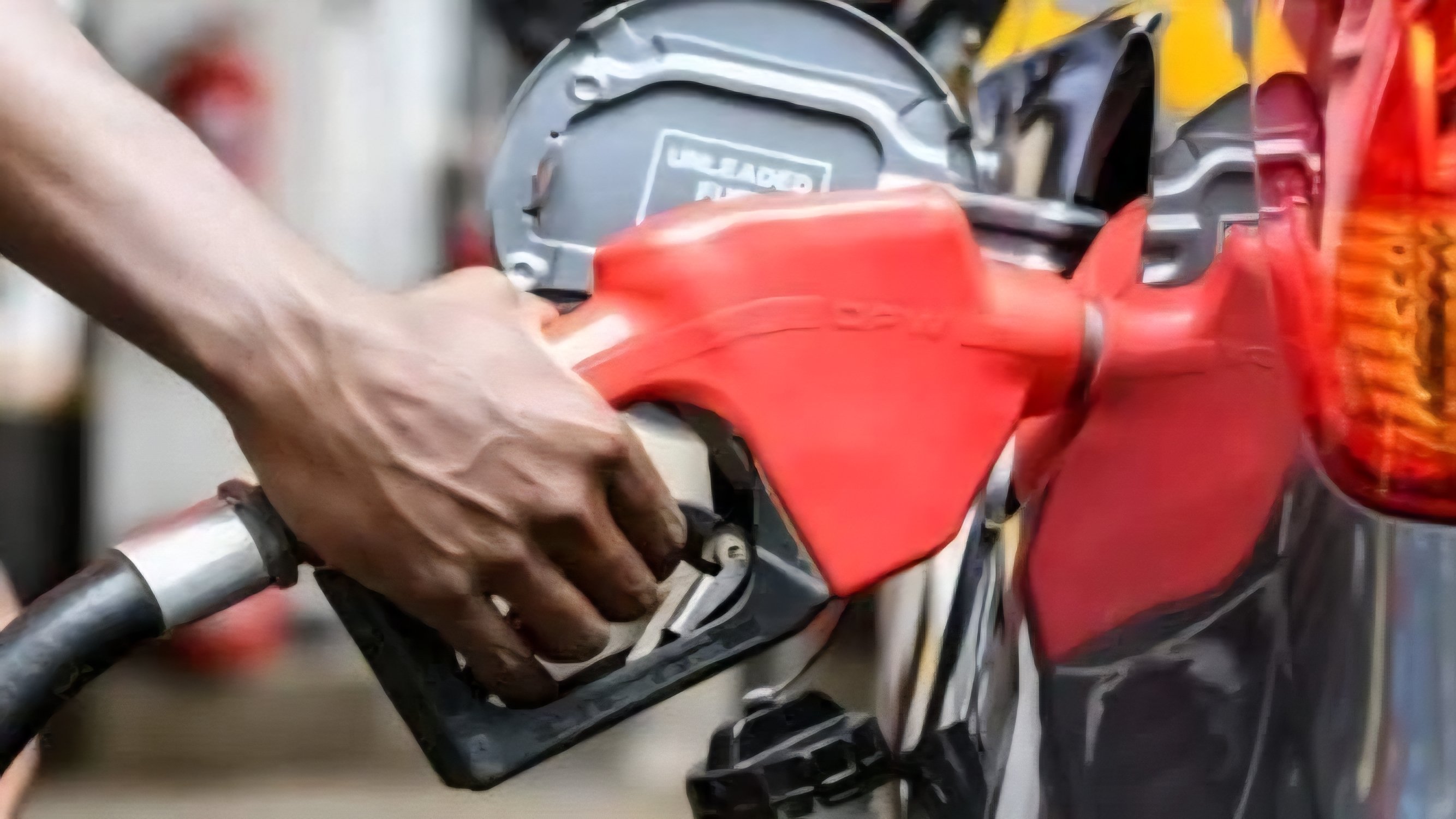

The ripple effects of escalating conflict in the Middle East have reached Kenyan soil, as the Energy and Petroleum Regulatory Authority (EPRA) announced a substantial increase in retail fuel prices. For the current pricing cycle, the cost of super petrol in Nairobi has risen by 28.69 shillings per litre, while diesel has seen a steeper climb of 40.30 shillings.
This adjustment brings the price of both super petrol and diesel to approximately 206.97 and 206.84 shillings per litre, respectively. The price of kerosene remained unchanged at 152.78 shillings, providing a thin layer of insulation for low-income households relying on it for lighting and cooking.
Data from the regulator indicates that the landed cost of imported petroleum products spiked dramatically between March and April. Diesel recorded the most significant jump, with average import costs rising nearly 69 percent in a single month. This surge is directly linked to recent military strikes in the Middle East, which disrupted critical shipping routes, specifically through the Strait of Hormuz.
The infrastructure and construction sectors are particularly vulnerable to these shifts. Diesel is the primary fuel for heavy machinery, earthmovers, and the transport of bulk materials like cement and steel. A 24 percent increase in diesel costs often translates into immediate revisions of haulage rates and operational budgets for ongoing projects.
The Kenya Transporters Association has already signaled that freight costs could rise by as much as 14 percent. For contractors working on fixed-price government tenders, these fluctuations present a serious risk to project margins and completion timelines.
To mitigate the full impact on the public, the government intervened by adjusting fiscal levers. National Treasury Cabinet Secretary John Mbadi noted that the state reduced Value Added Tax on petroleum products from 16 percent to 13 percent. Additionally, roughly 6.2 billion shillings from the Petroleum Development Levy Fund were utilized to prevent even higher spikes.
President Ruto has previously defended the government-to-government oil deal as a tool for stabilization, but the sheer scale of global market volatility has tested the limits of these domestic cushions. While the Kenyan shilling has remained relatively stable against the dollar, the sheer increase in the international price of crude oil has outweighed local currency gains.
Industry analysts warn that the current pricing is a direct reflection of "imported inflation." When energy costs rise, the price of basic commodities typically follows due to the increased cost of manufacturing and distribution.
The state has warned oil marketers against hoarding fuel in anticipation of further increases. Government agencies stated that while there is no immediate shortage, the timing of future shipments remains sensitive to how long the geopolitical instability persists.
For now, the focus remains on the next EPRA review in mid-May. If shipping routes do not normalize soon, the construction industry and the wider economy may have to settle into a period of prolonged high energy costs.
Comments (0)
Leave a Comment
No comments yet. Be the first to share your thoughts!