
Kenya’s real estate market is showing mixed performance in 2025, with slight improvements in land and property prices across select urban centers, even as the pace of growth remains slower than in previous years. According to market data from HassConsult and recent housing reports, property prices have risen modestly in key Nairobi estates while outer suburbs and satellite towns continue to experience stagnation and mild declines.
In Nairobi, land prices in areas such as Ruaka, Kileleshwa and Kilimani rose by between 3% and 5% in the first three quarters of 2025 compared to last year, driven by renewed investor interest in mixed-use developments and proximity to social amenities. Westlands and Parklands also recorded a 2.8% increase, reflecting strong demand for rental and office conversions.
Conversely, land values in Syokimau, Athi River and Kitengela either stagnated or dropped slightly, with declines averaging between 1.5% and 2.3%, largely due to oversupply of mid-income apartments and limited financing options for new buyers. In Ruiru and Thika, growth remained flat as developers focused on completing existing projects rather than launching new ones.
When it comes to rental prices, urban centers are heating up again. The average monthly rent for a two-bedroom apartment in Nairobi rose by about 7% year-on-year, with Kilimani and Lavington recording the highest gains of up to Sh95,000 and Sh110,000, respectively. Westlands saw similar trends as more professionals returned to office work.
However, rents in satellite towns like Athi River, Kitengela and Juja have remained relatively stable, with some units even seeing a 1% to 2% decline. The slowdown in commuter movement and the rising cost of transport have slightly dampened demand for housing outside the main city.
Outside Nairobi, Mombasa and Nakuru have experienced mixed fortunes. Land prices in Mombasa’s Nyali area rose by about 4.2%, driven by coastal tourism investments, while Nakuru’s Lanet and Section 58 saw only marginal growth of 1.3%. In contrast, Eldoret continues to attract investors, posting an average 3.7% increase in property values due to ongoing infrastructure and university expansion projects.
Analysts believe that although Kenya’s property market remains under pressure from inflation and high interest rates, it is slowly stabilizing. Investors are now gravitating towards rental yields and affordable housing options rather than speculative buying. The government’s continued focus on housing and urban infrastructure is also expected to keep the sector afloat.
As the market adjusts, experts advise both developers and buyers to take a long-term view by focusing on sustainable developments, strategic locations, and genuine demand rather than short-term gains.
Kenya’s Real Estate Prices Edge Up as Rents Rise in Major Towns but Cool in The Outskirts
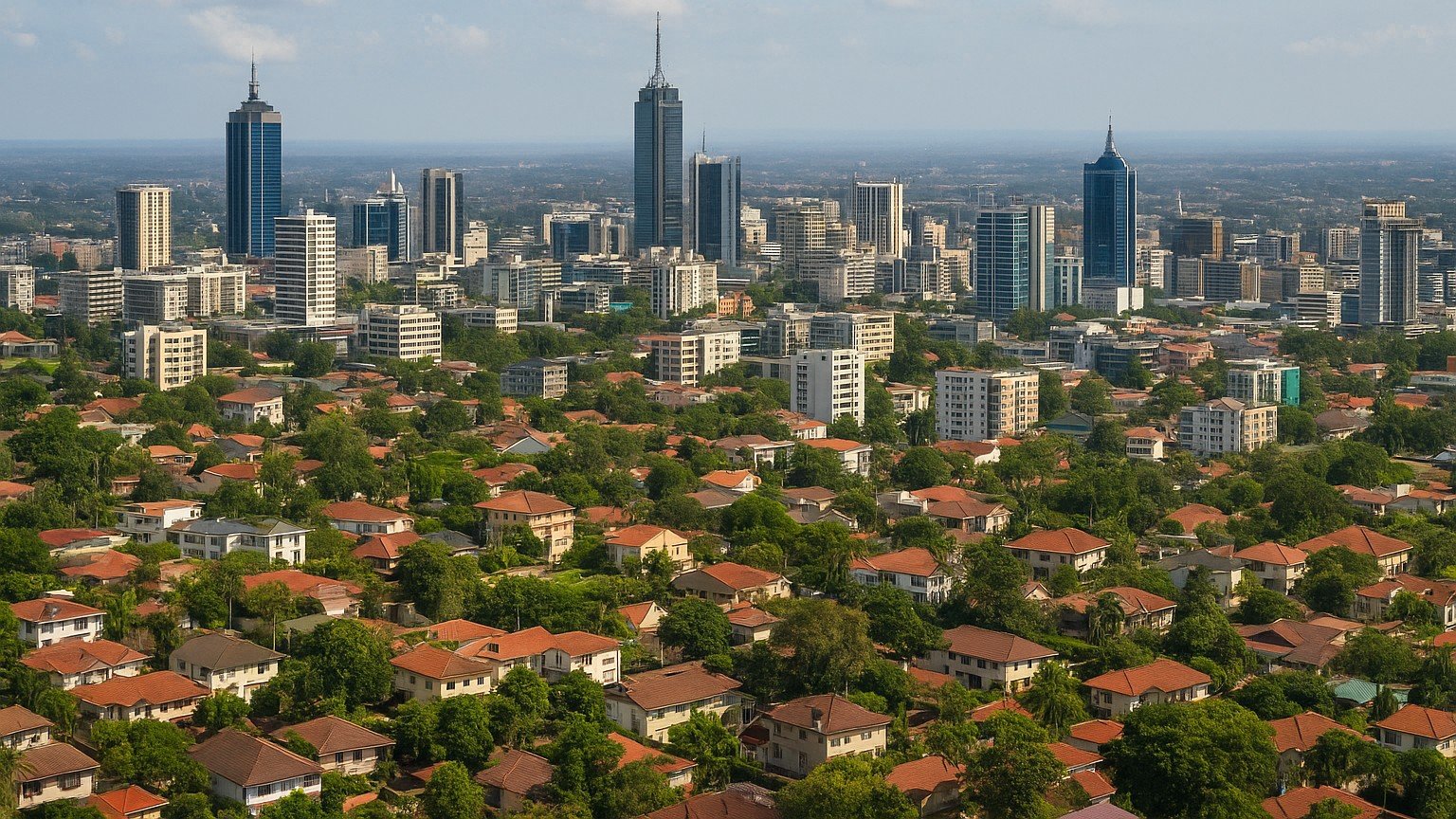
Nairobi’s skyline and growing suburbs tell the story of Kenya’s real estate market in 2025
|
Mjengo hub

Kenya’s real estate market in 2025 is slowly stabilizing, with land and rent prices showing mixed trends across major towns. In Nairobi, areas like Kilimani, Kileleshwa, and Ruaka have recorded slight gains of up to 5%, while outer estates such as Syokimau and Kitengela have seen minor drops due to oversupply.
Comments (0)
Leave a Comment
No comments yet. Be the first to share your thoughts!