
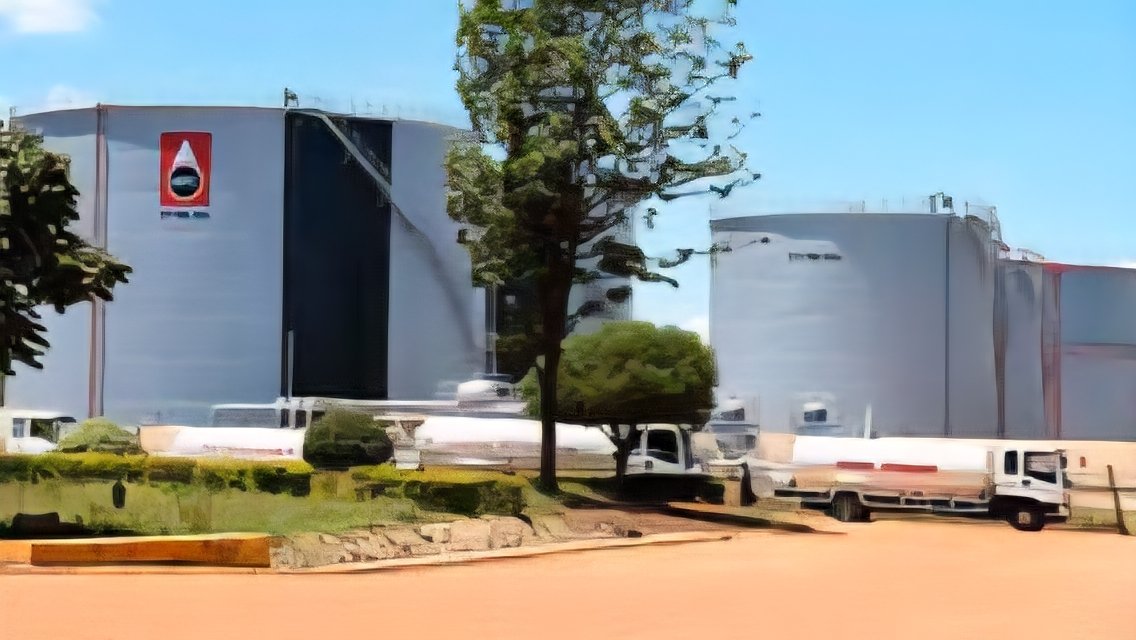

The Kenya Pipeline Company (KPC) has issued a formal statement to the public, dismissing reports of an impending fuel crisis. The corporation maintains that its primary terminals and inland depots are holding sufficient volumes of petroleum products.
This clarification comes at a time when motorists and industrial consumers in various parts of the country expressed fears over a potential supply hitch. Speculation regarding shortages often leads to panic buying, which can strain local retail logistics even when bulk supplies are stable.
According to the official communication from KPC, the current inventory levels are adequate. The company noted that its operations continue without interruption, ensuring that fuel is moved efficiently from the Port of Mombasa to various regional hubs.
The assurance is intended to stabilize market expectations and prevent unnecessary disruptions at the pump. KPC oversees a vast network of pipelines and storage facilities that are critical to the energy security of the East African region.
Internal reports from the state corporation indicate that the logistical chain, which involves offloading tankers and pumping product through the mainline, remains on schedule. This infrastructure is the backbone of the Kenyan economy, supporting both transport and manufacturing sectors.
Industry observers note that while KPC manages the primary transport and storage, the final distribution depends on the coordination with oil marketing companies. The government has previously emphasized the need for synergy between these entities to avoid artificial shortages.
In recent months, the Ministry of Energy has focused on improving the efficiency of the KPC network. This includes the upgrade of pumping stations and the expansion of storage capacity in strategic locations like Kisumu and Eldoret.
These technical improvements are designed to handle higher volumes of product, which is necessary to keep up with the growing regional demand. By maintaining high stock levels, KPC acts as a buffer against global supply chain volatility.
The corporation has urged the public to ignore unverified reports circulating on social media. Such misinformation, according to KPC officials, serves only to create artificial demand and complicates the planned distribution schedules.
The Kenya Times reported that the KPC management is monitoring the situation closely. They are working with the Energy and Petroleum Regulatory Authority (EPRA) to ensure that the entire supply chain remains transparent and reliable for the consumer.
As of today, all major depots are reporting normal activity. Loading racks at the Nairobi and Western Kenya terminals are serving trucks as per the standard operating procedures, with no significant delays reported by the transporters.
The stability of the fuel supply is a priority for the current administration, led by President Ruto, as energy costs remain a significant factor in the national inflation rate. Any disruption in this sector has immediate effects on the cost of living.
For now, the message from the pipeline headquarters is one of confidence. They insist that the infrastructure is fully operational, and the product is available in the quantities required to keep the country moving.
Comments (0)
Leave a Comment
No comments yet. Be the first to share your thoughts!