
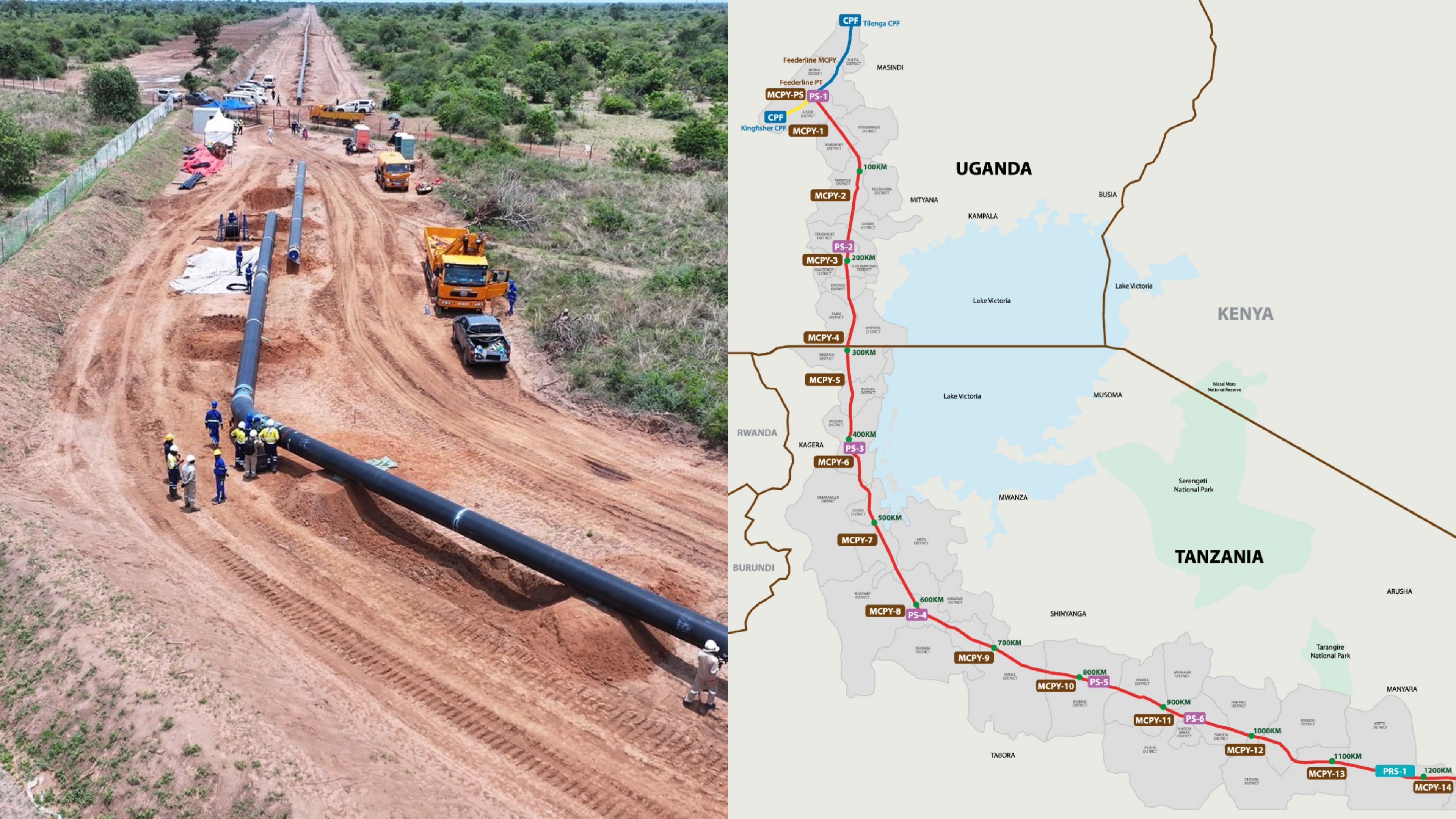

Recent figures emerging from the East African Crude Oil Pipeline (EACOP) project indicate a substantial rise in regional employment as construction activities intensify. The $5 billion infrastructure development, which remains one of the largest energy projects in the region, has now officially accounted for 24,000 direct jobs.
According to data shared by industry observers, the labor distribution is split between the two host nations, with 14,000 jobs created in Uganda and 10,000 in Tanzania. This workforce is currently engaged in the physical assembly and specialized engineering required for the 1,443 km route.
Beyond the immediate payroll of the construction firms, the project is exerting a significant pull on the local economy through secondary markets. Estimates suggest that over 100,000 indirect jobs have been established to support the pipeline's logistics, supply chain, and service requirements.
The sheer scale of the 1,443 km pipeline requires a vast network of support staff, ranging from specialized welders to local suppliers providing food and materials. These numbers reflect the heavy mobilization of resources as the project moves through its intensive build phase.
The geographic footprint of the pipeline is also expected to leave behind a permanent mark on regional commerce. Plans are currently underway for the establishment of more than 20 permanent trading centers to be situated along the pipeline’s path.
These centers are intended to serve as hubs for local businesses, ensuring that the economic impact of the project lasts long after the heavy machinery has left the site. They represent a deliberate effort to integrate the infrastructure with existing community trade routes.
While the primary objective of EACOP is the transport of crude oil from the fields in Hoima, Uganda, to the port of Tanga in Tanzania, the human element of the project has become its most visible indicator of progress.
The investment of $5 billion has necessitated a high level of technical oversight. Local workers are frequently working alongside international specialists to ensure the pipeline meets the rigorous safety and environmental standards required for such an expansive cross-border venture.
Managing such a large workforce presents its own set of logistical hurdles, yet the steady climb in employment figures suggests that the recruitment and training phases are meeting their internal targets.
For the communities living along the 1,443 km corridor, the project is often viewed through the lens of these immediate opportunities. The influx of wages and the demand for local services have altered the economic landscape of rural districts that previously saw little industrial activity.
As the construction phase continues, the focus is expected to shift toward the long-term maintenance roles and the operational sustainability of the trading centers. For now, the focus remains on the thousands of workers currently on the ground.
Comments (0)
Leave a Comment
No comments yet. Be the first to share your thoughts!