
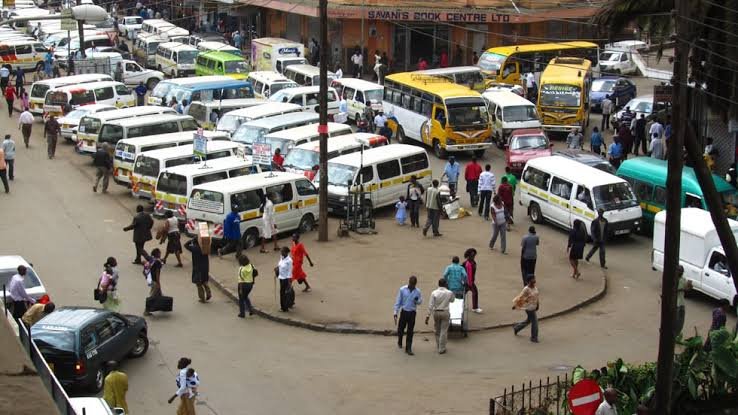

Commuters across the country are facing a difficult morning as matatu operators begin hiking fares in response to a deepening fuel shortage. The crisis, which has seen long queues at various petrol stations, is now directly hitting the pockets of ordinary Kenyans.
Reports from various parts of the country indicate that some operators have nearly doubled their prices on major routes. This sudden shift has forced many passengers, who cannot afford the new rates, to remain stranded or cancel their travel plans entirely.
The situation has created a ripple effect through the transport sector. Drivers spent much of the night and early morning hours searching for fuel, leading to a reduced number of vehicles available for service. This scarcity of supply, coupled with high demand, gave way to the sharp price increases seen today.
Representatives from several Matatu Saccos noted that the current shortage has made it impossible to maintain previous fare structures. They argued that the time spent in queues and the difficulty in sourcing fuel has increased their operational overheads significantly
In Nairobi, many workers were seen trekking to their destinations after finding the fares at the stages beyond their budget. Similar scenes were reported in other major towns, where the shortage of petroleum products has slowed down commercial activities.
Energy industry experts suggest that the supply hitches have been building up over the last few days. While the government has previously moved to stabilize prices, the physical unavailability of fuel at the pump creates an immediate bottleneck for the transport industry.
The impact is not limited to passenger travel. Long-distance haulage and the delivery of construction materials are also facing delays as trucks remain grounded. This disruption threatens to slow down various infrastructure projects that rely on a steady supply of diesel.
Observers note that without a quick resolution to the supply chain issues, the cost of living may continue to rise. High transport costs usually translate to higher prices for essential goods, as the cost of moving products is passed on to consumers.
For now, passengers are advised to prepare for higher costs and potential delays. Many Saccos have not yet released a formally harmonized fare list, leaving the pricing at the discretion of individual crew members based on current fuel availability.
The Ministry of Energy and the Energy and Petroleum Regulatory Authority are under pressure to address the underlying causes of the shortage. Until the pumps are consistently wet again, the transport sector remains in a state of high volatility.