
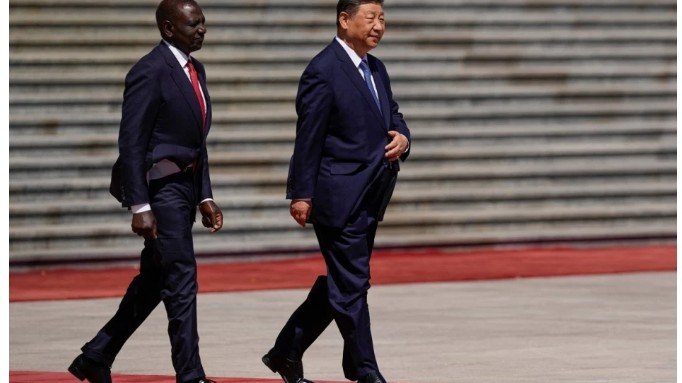

China has announced that it will expand its zero tariff policy to include nearly all African countries, a move that is expected to significantly influence trade between the two regions. Chinese President Xi Jinping confirmed on Saturday that the new tariffs will be removed starting May 1, a development that extends the country's existing trade preferences for Africa. Until now, China has applied a zero-tariff policy to imports from 33 African nations, but the new plan will cover 52 of its 53 diplomatic partners on the continent, leaving only one country excluded.
The decision reflects China's growing engagement with Africa, where it has become the continent’s largest trading partner. Trade between China and African countries has steadily increased over the past decades, fueled in part by the expansion of infrastructure projects under Beijing's Belt and Road Initiative. These projects, which include roads, railways and ports, have strengthened economic ties and provided African countries with access to Chinese investment and technology. By removing tariffs on a wider range of goods, China is aiming to further encourage trade flows and create more opportunities for African exports to reach Chinese markets.
For many African countries, this move could provide a significant boost to their economies. Exports such as agricultural products, minerals, and manufactured goods may become more competitive in China due to the elimination of tariffs. Analysts note that while the zero tariff policy does not automatically guarantee increased sales, it removes a significant cost barrier, potentially making African products more attractive to Chinese importers. Several countries have expressed optimism about the policy, seeing it as a step toward deeper economic cooperation with one of the world’s largest markets.
China’s zero tariff policy is part of a broader strategy to enhance trade relations with developing regions and strengthen diplomatic ties. African countries have welcomed the initiative, which not only encourages exports but also provides a platform for industrial growth and job creation. Over the years, trade with China has become a crucial component of many African economies, and access to a larger market could help diversify sources of revenue beyond traditional commodities. Experts suggest that this policy may also inspire African countries to pursue reforms aimed at improving the quality and competitiveness of their exports, in order to fully take advantage of the opportunity.
However, the impact of the policy will vary across the continent. Countries with established industries and higher production capacity are likely to benefit more quickly, while nations still developing infrastructure or facing logistical challenges may see slower gains. The excluded country, which remains outside the zero tariff agreement, may experience limited trade growth compared to its neighbors. Nonetheless, the majority of African nations now have the potential to expand their exports and increase economic engagement with China.
In addition to trade benefits, the move also reflects China’s continued commitment to Africa as a strategic partner. The zero tariff policy complements other Chinese initiatives in the region, such as investment in energy, telecommunications, and transportation infrastructure. By making African goods more accessible to Chinese consumers, Beijing is reinforcing the interconnectedness of the two economies. For African governments, the policy provides an incentive to enhance production, improve standards and strengthen trade networks, which could have long-term positive effects on regional economic development.
While it is too early to predict the full economic impact, the expansion of China’s zero tariff policy is expected to foster closer trade relations and encourage more African countries to engage in commercial partnerships. The policy may also signal China’s intention to maintain its influence in Africa amid competition from other global economic players. As the policy takes effect on May 1, African exporters and Chinese importers alike will be closely watching the results, which could shape the future of Africa China trade for years to come.
Comments (0)
Leave a Comment
No comments yet. Be the first to share your thoughts!