


A version of this article was posted on X by David Nahinga.
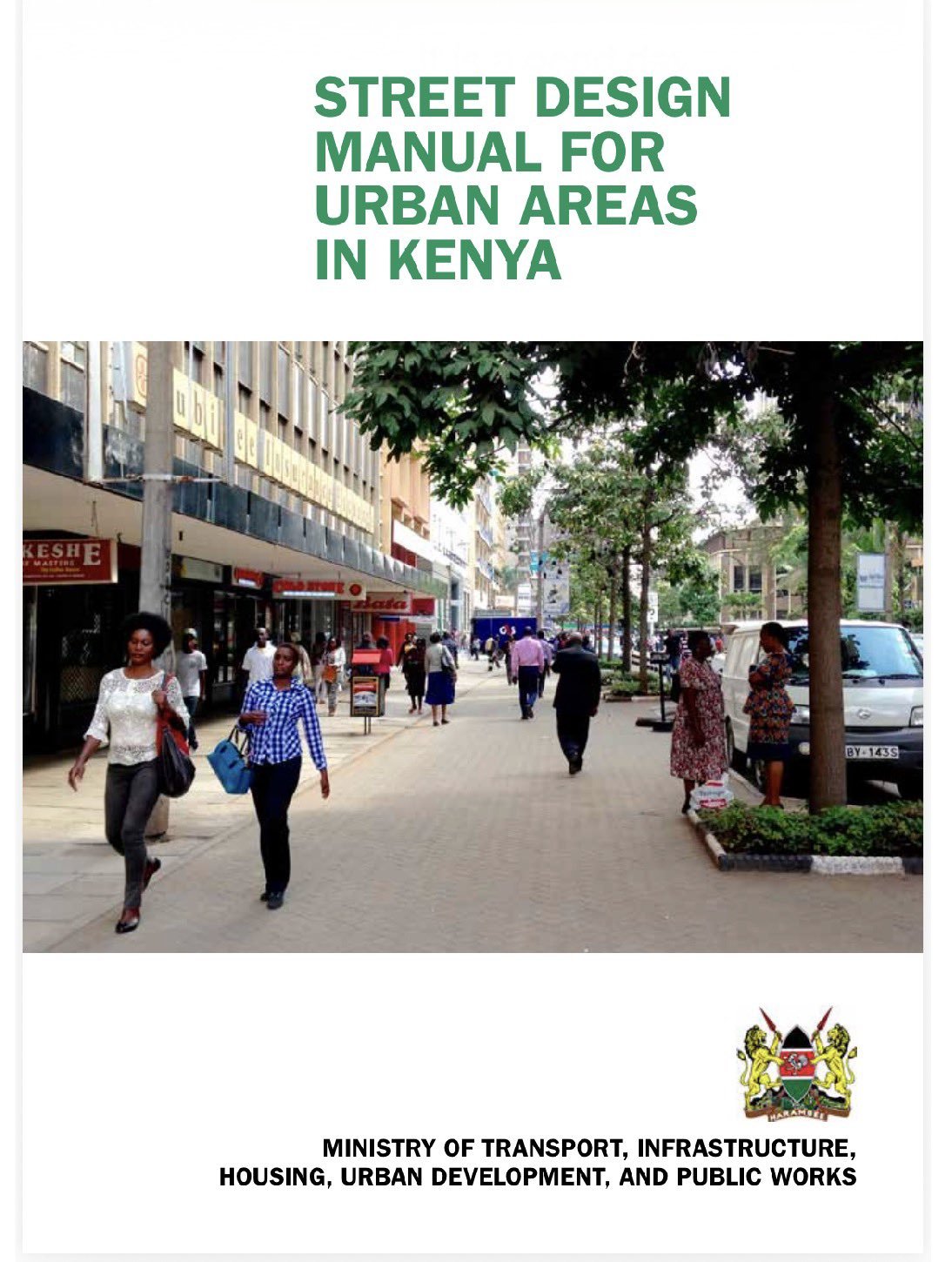
An examination of the Street Design Manual for Urban Areas in Kenya highlights specific statutory recommendations governing urban infrastructure, tree canopy preservation, and pedestrian street design across the country's urban centres.
The document was prepared by the Ministry of Transport, Infrastructure, Housing, Urban Development and Public Works (MOTIHUD&PW), in technical partnership with the Institute for Transportation and Development Policy (ITDP) and the United Nations Human Settlements Programme (UN-Habitat). It serves as a official technical framework for urban planners, landscape architects, and municipal engineers.
Public discussion surrounding the document was renewed following observations shared online by urban enthusiast David Nahinga, who highlighted key structural guidelines contained within the manual.
Among the provisions outlined in the text, the manual dictates that existing trees along urban corridors must be preserved whenever street upgrades or redesigns are undertaken. In cases where tree removal is unavoidable due to space limitations or major geometric realignments, the framework mandates that new trees must be planted to replace the lost urban greenery.
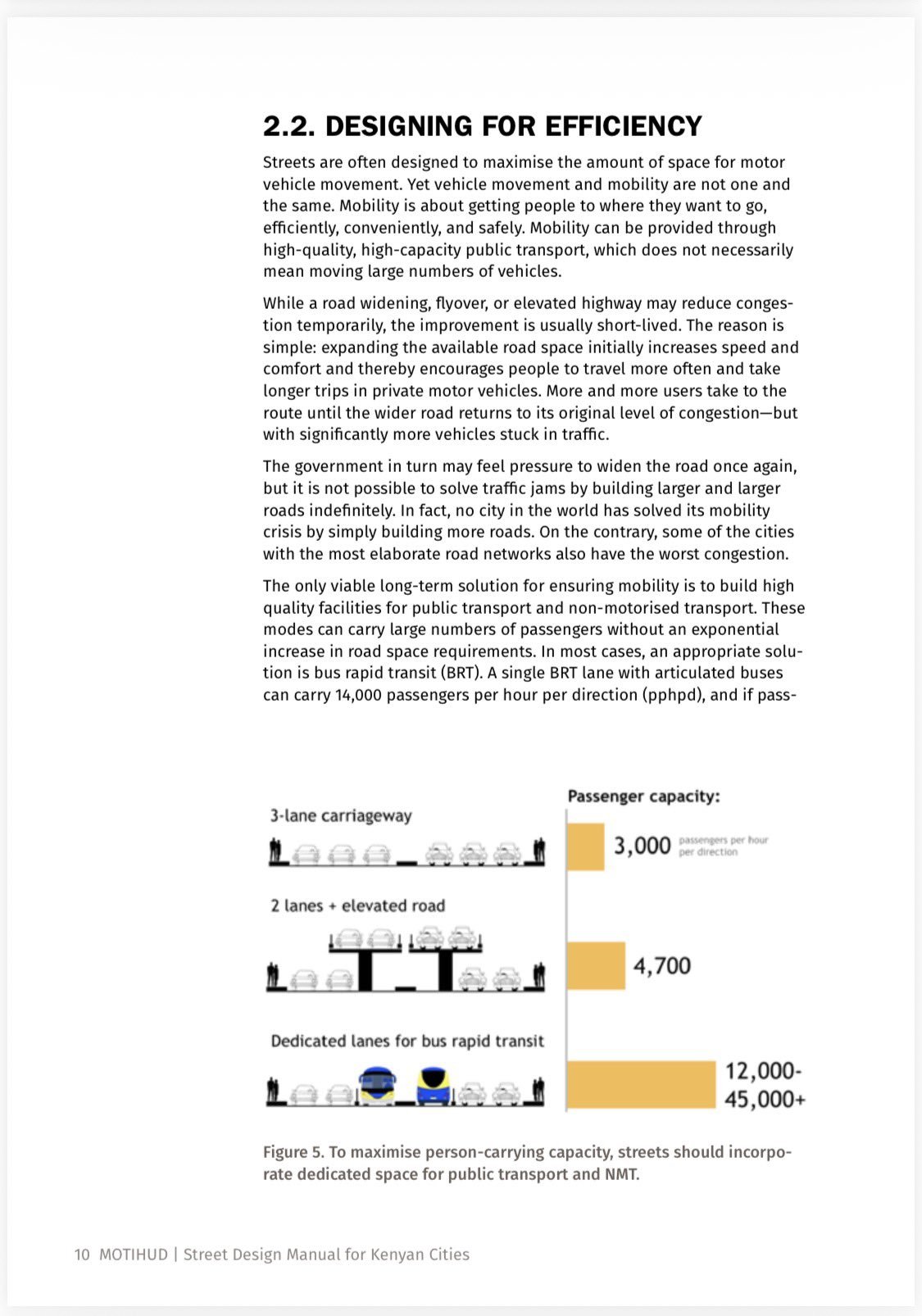
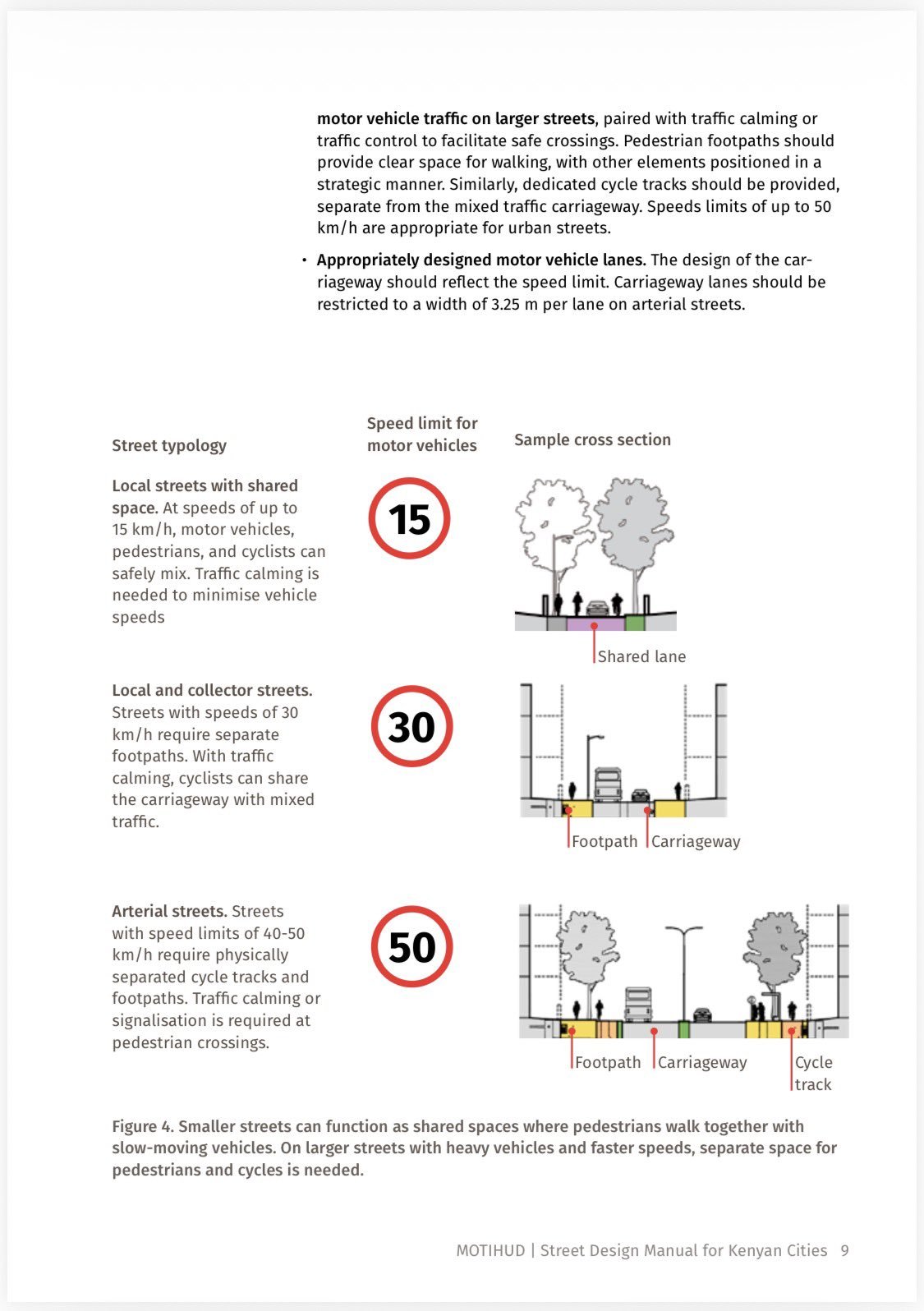
Furthermore, the manual specifies that high-branching trees are preferred along pedestrian walkways to maintain adequate headroom and clear sightlines, while medium-height vegetation adjacent to footpaths should be trimmed regularly.
Regarding physical dimensions, the manual establishes that urban footpaths must maintain minimum clear widths to ensure pedestrian flow. It notes that footpaths measuring less than two metres in clear width fail to meet non-motorized transport compliance standards.
To protect pedestrians from motorized traffic, the design framework recommends integrating physical buffer zones, such as continuous green verge plantings or raised curb barriers along dedicated corridors.
The manual also addresses storm-water management along pedestrian routes. It stipulates that footpaths ought to be raised to allow surface runoff to channel beneath or away from walkways, recommending closed drainage networks to maximize usable surface area for pedestrians.
Additionally, the framework emphasizes accommodating street vending within street layouts without obstructing walking paths, recommending allocated spaces near active pedestrian zones to support local micro-enterprises orderly.
These standards aim to guide agencies such as the Kenya Urban Roads Authority (KURA) and county governments in establishing safer, highly accessible urban environments across Kenya.
Comments (0)
Leave a Comment
No comments yet. Be the first to share your thoughts!