
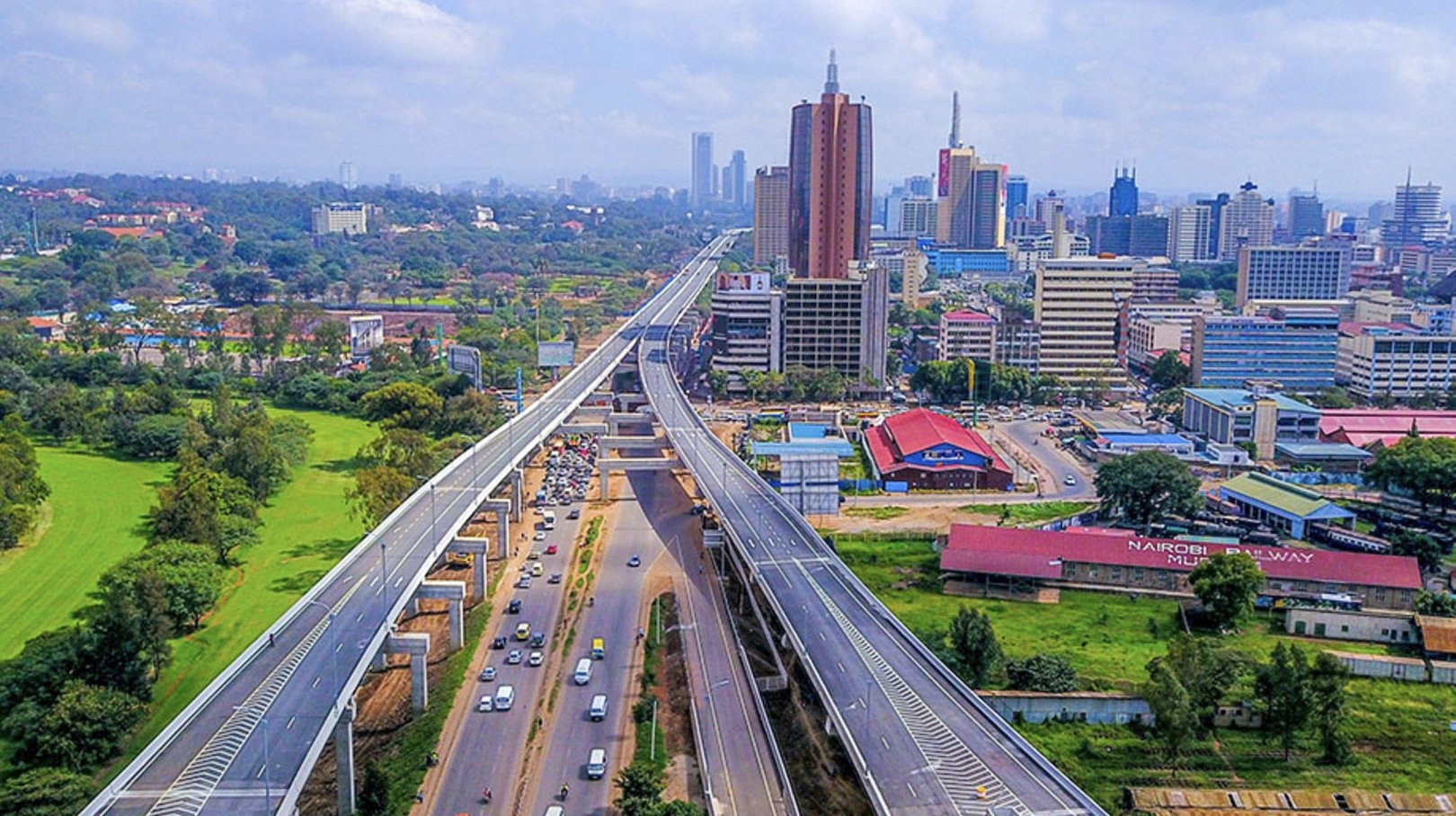

A petition filed at the Milimani High Court is pushing to force the government to disclose tax exemptions and customs duty waivers extended to Chinese firms behind some of Kenya's largest infrastructure projects.
The case targets fiscal arrangements tied to the Standard Gauge Railway (SGR), the Nairobi Expressway, the Thika Superhighway and the Lamu Port project, all built with financing and construction support from Chinese companies.
Petitioners argue that tax concessions built into these bilateral project contracts have operated for years without proper public disclosure or published legal backing. They want the court to declare that arrangements lacking a Legal Notice or other published instrument are unconstitutional.
Among the orders sought is a directive compelling the government to gazette every Legal Notice, administrative directive and executive instrument used to grant tax exemptions or customs remissions to Chinese-financed projects dating back to January 2008.
The petitioners contend that keeping such information out of public view breaches constitutional provisions on access to information and public finance. They are also asking the court to quash Treasury circulars and administrative directives allegedly used to run the disputed tax arrangements outside formal legal channels.
Separately, the petition wants the Kenya Revenue Authority (KRA) to carry out a full audit of vehicles, machinery and equipment brought into the country duty free since 2008 under the Fifth Schedule of the East African Community Customs Management Act.
That would require KRA to produce a verified inventory listing the imported items, where they currently sit and who is using them. The petitioners argue that weak post-project tracking has left room for duty-free equipment to stay in circulation without oversight once projects wrap up.
The case also seeks a forward-looking restriction. It asks the court to bar agencies including the Kenya National Highways Authority (KeNHA), Kenya Railways Corporation and the Kenya Roads Board from awarding future road, transport or construction contracts where the pricing rests on a tax advantage unavailable to Kenyan contractors.
Should the court grant the orders, Treasury and KRA would be required to publish the legal instruments governing tax exemptions and customs waivers tied to the named projects. Any arrangement found to have been granted without proper legal authority could also be struck down.
The petition places renewed scrutiny on how Chinese-backed infrastructure deals have been structured in Kenya over nearly two decades, a period that saw the country lean heavily on Chinese financing and contractors for road and rail expansion. The SGR alone, built in two phases linking Mombasa, Nairobi and Naivasha, ranks among the costliest infrastructure undertakings in Kenya's history, financed largely through loans from China's Exim Bank.
The Nairobi Expressway and Thika Superhighway similarly relied on Chinese state-linked contractors, while the Lamu Port project forms part of the wider Lamu Port South Sudan Ethiopia Transport corridor. None of the named agencies had issued a public response to the petition at the time of filing.
Comments (0)
Leave a Comment
No comments yet. Be the first to share your thoughts!