
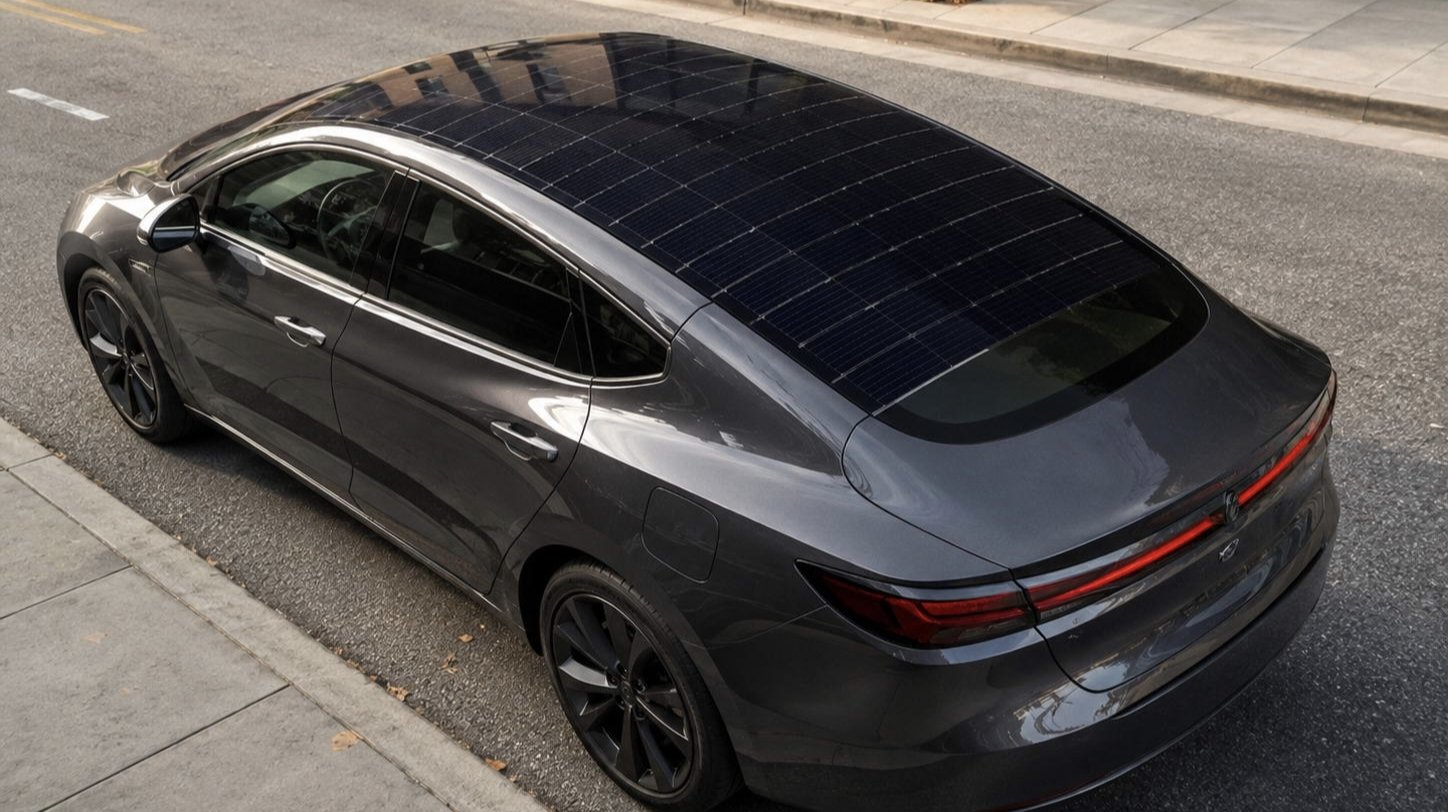

Fuyao Group, the world's largest manufacturer of automotive glass, has confirmed it can produce solar sunroof glass at scale, embedding photovoltaic (PV) cells directly into laminated vehicle glazing.
The China-based company said the technology allows sunlight striking the glass to be converted into electricity for auxiliary loads inside a vehicle. Fuyao describes the product as a solar sunroof rather than a system covering the entire roof surface, and says the power generated can run onboard electrical equipment.
This is not a brand new development for the company. Fuyao told investors back in May 2024 that it had already reached mass-production capability for solar sunroof glass and was supplying it for vehicle programmes where customers requested the feature. The latest confirmation points to continued progress toward wider commercial rollout rather than a first unveiling.
Chinese automotive media outlets have reported since February that the glass was developed jointly with BYD and would appear as an optional feature on the Han and Tang model lines, priced at roughly CNY 8,000, or around $1,190. Other figures circulating in those reports cite a peak output of 720 watts and a conversion efficiency of 23.18 per cent, based on heterojunction (HJT) solar cell technology.
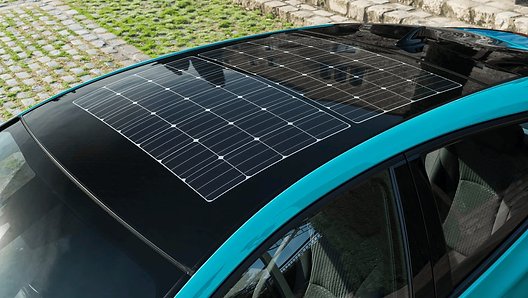
Close-up of embedded photovoltaic solar cells for vehicle sunroof application. | IntegrateSun
Neither Fuyao nor BYD has published technical specifications or issued a joint statement confirming those numbers. During a March investor briefing, Fuyao declined to name its customers or disclose pricing, citing commercial confidentiality. The output, efficiency and pricing details tied to a BYD partnership therefore remain unconfirmed by either company.
Fuyao has separately disclosed that its factories in Fuqing Yangxia and Hefei each reached a production capacity of 3 million sets of automotive glass by the end of 2025, with output continuing to ramp up through 2026. The company has not said what share of that capacity, if any, is allocated specifically to solar sunroof glass.
Vehicle-integrated photovoltaics, an emerging category within the solar industry, face a structural limit in passenger cars: available roof surface area is small compared with rooftop or utility installations, meaning the technology is unlikely to replace conventional charging. Its more realistic near-term role is supplying low-power functions, such as reducing battery drain from onboard electronics or supporting ventilation while a vehicle sits parked.
Fuyao's push toward volume production signals that automotive PV integration is shifting away from a mostly experimental application and toward a more commercially available product line, even as key performance claims linked to specific vehicle models await official confirmation from the companies involved.
Comments (0)
Leave a Comment
No comments yet. Be the first to share your thoughts!