

A version of this article appeared on Nation.Africa.
The coronavirus disease of 2019 (COVID-19) pandemic altered how families in Kenya view residential spaces, prompting a major shift in modern architectural design, and urban housing demands.
Many young families are now trading short commutes for larger homes in the suburbs, because high-density apartments no longer meet their lifestyle needs. The desire for isolation during health crises forced a re-evaluation of crowded estates.
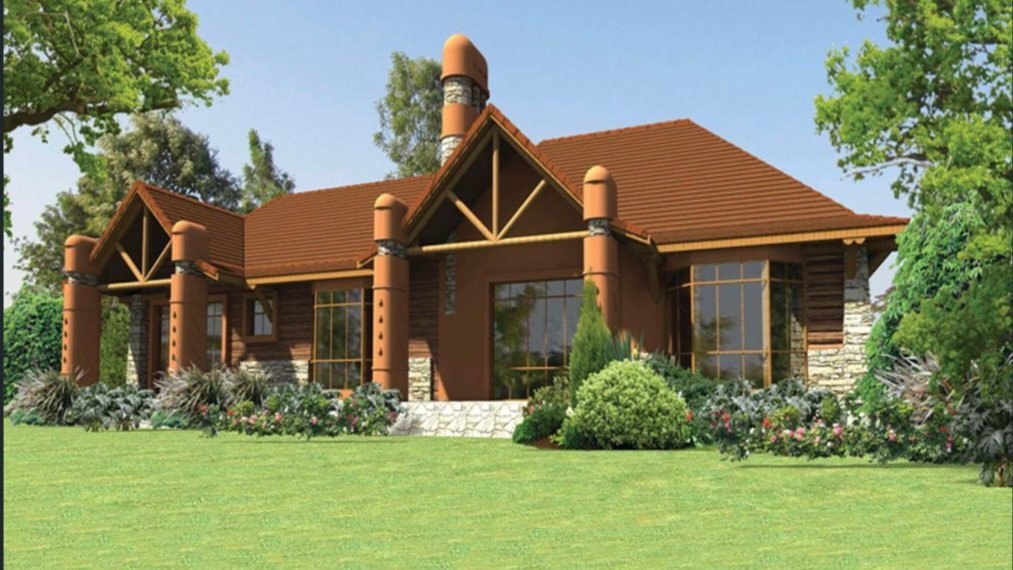
Homebuyers are prioritising green gardens and high levels of privacy, which are rarely found in the central areas. Consequently, property developers must adapt to these changing consumer tastes to remain competitive in the current market.
Satellite towns surrounding the Nairobi Metropolitan Area (NMA) are experiencing an unprecedented surge in interest, as land remains affordable there. Families want spacious detached houses, where children can play safely outdoors.
Areas like Ruaka, Athi River, and Syokimau have become popular destinations for middle-income buyers, who seek to escape the congested inner suburbs. This trend has significantly accelerated suburban residential construction projects across the entire region.
The widespread necessity of working from home created a fresh demand for dedicated study rooms, which were previously considered luxury additions. Today, a functional home office is a critical selling point for any new house.
Architects are redesigning residential layouts to incorporate more natural light and better cross-ventilation, because health is now at the forefront of buyers' minds. Standardised block apartments are rapidly losing their market appeal.
Infrastructure improvements have made these distant locations much more accessible, which encourages buyers to relocate. Better access roads mean that living far from the workplace is no longer a logistical nightmare for employees.
Private developers are acquiring larger parcels of land in peripheral zones, if they want to build gated communities. These well-planned estates offer communal green spaces, and secure perimeters for young growing families.
The rental market in urban centres has cooled down, but suburban property sales continue to rise steadily. Tenants are actively transitioning into homeowners, although financing remains a challenge for many local families.
Commercial banks are responding by offering tailored mortgage products for those looking to build, when traditional buying options fall short. This financial flexibility supports long-term structural growth in the housing sector.
This movement toward decentralized living highlights a broader change in national infrastructure planning. The government must now provide essential social amenities like schools and hospitals in these growing hubs, if sustainability is to be achieved.
Ultimately, the pandemic proved that a home is more than just a place to sleep, but rather a multi-functional sanctuary. This critical lesson continues to shape Kenyan real estate development trends today.
As satellite towns expand, local economies are benefiting directly from the influx of new residents. This spatial reorganization of the population is redefining the real estate landscape for the foreseeable future.
Investors are now focusing heavily on low-density housing developments rather than high-rise projects, which often struggle to find buyers. This evolution reflects a permanent change in how Kenyans define a comfortable living space.
Comments (0)
Leave a Comment
No comments yet. Be the first to share your thoughts!