
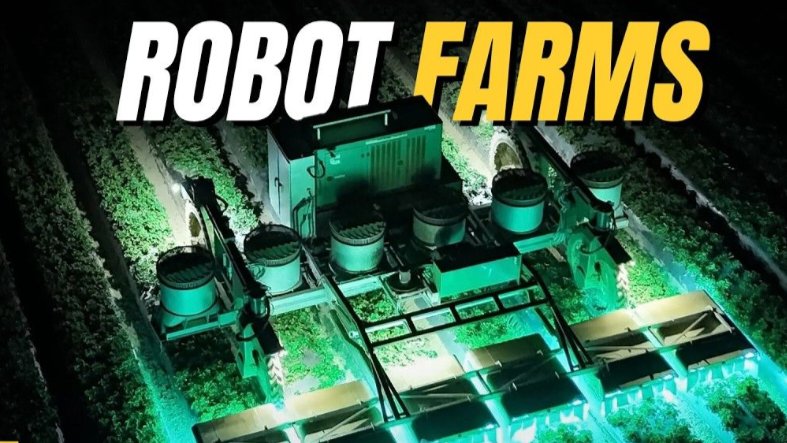

A report published by Interesting Engineering details how autonomous equipment is reshaping rural site management globally. Agricultural operations are shifting toward fully mechanical workflows, as specialized machines replace human labor in field tasks.
In China, automated fleets equipped with high-resolution vision systems currently manage over 100,000 hectares of cotton fields in Shawan City. These machines collect real-time crop metrics, while calculating exact chemical applications without direct human intervention.
Technicians oversee up to five units simultaneously, when the equipment operates across large properties. A single autonomous sprayer handles more than 6.7 hectares per hour, which significantly increases daily operational coverage.
Laser-topping machinery uses light detection and ranging sensors alongside machine vision to target plant buds. The high-powered blue laser vaporizes terminal buds with a 98.9 percent accuracy rate, while running ten times faster than manual crews.
Nocturnal field operations rely on Ultraviolet (UV) light technology to combat persistent crop pests. Specialized crawlers navigate fields at two in the morning, because targeted light deployment destroys organisms without requiring synthetic pesticides.
Field machinery has evolved beyond early Global Positioning System (GPS) guidance tools. Modern fleets utilize Artificial Intelligence (AI) vision platforms to distinguish weeds from valuable crops during high-speed passes.
Administrative management is also undergoing rapid digital restructuring across commercial properties. In Japan, a former civil servant currently manages a 100-hectare farm using conversational AI software to streamline daily scheduling and resource allocations.
Compact robotic units are also working inside storage facilities to clean grain bins. These specialized devices navigate enclosed spaces, while reducing safety hazards for human operators working in hazardous environments.
The rapid shift toward automated field infrastructure presents financial challenges for independent growers. Heavy capital requirements for next-generation machinery may concentrate market power among large corporate operations, if small landholders cannot secure financing.
President Ruto has previously stressed that technical innovation must remain accessible to smallholder producers across developing markets. Industry analysts warn that unchecked capital demands could alienate traditional farming communities, although efficiency gains remain undeniable.
Cotton harvesting has historically required extensive manual labor or massive fuel-heavy machinery. New prototype harvesters utilize flexible 3D-printed end-effectors to pluck fibers delicate enough to prevent soil compaction and crop damage.
Engineers designed these three-fingered grippers to mimic natural predator movements. Embedded pin belts pull seed cotton cleanly from bolls, which eliminates the heavy weight of traditional diesel-driven harvesters.
Precision technology continues to redefine physical site boundaries across the global agricultural sector. Emerging machinery proves that autonomous systems can manage complex biological environments, although long-term economic impacts on small producers require ongoing monitoring.
As automation spreads from industrial civil projects to open fields, contractors and farm managers face similar choices. Adopting automated systems requires heavy upfront investment, but long-term labor savings continue to drive adoption.
The integration of software and field hardware demonstrates a fundamental shift in land management. Future agricultural productivity will depend heavily on automated data collection, when growers balance machine efficiency against rising capital costs.
Global food production demands continue to escalate as populations grow. Infrastructure developers and technology providers are expanding field robotics, while monitoring how effectively these tools integrate into existing supply chains.
Comments (0)
Leave a Comment
No comments yet. Be the first to share your thoughts!