
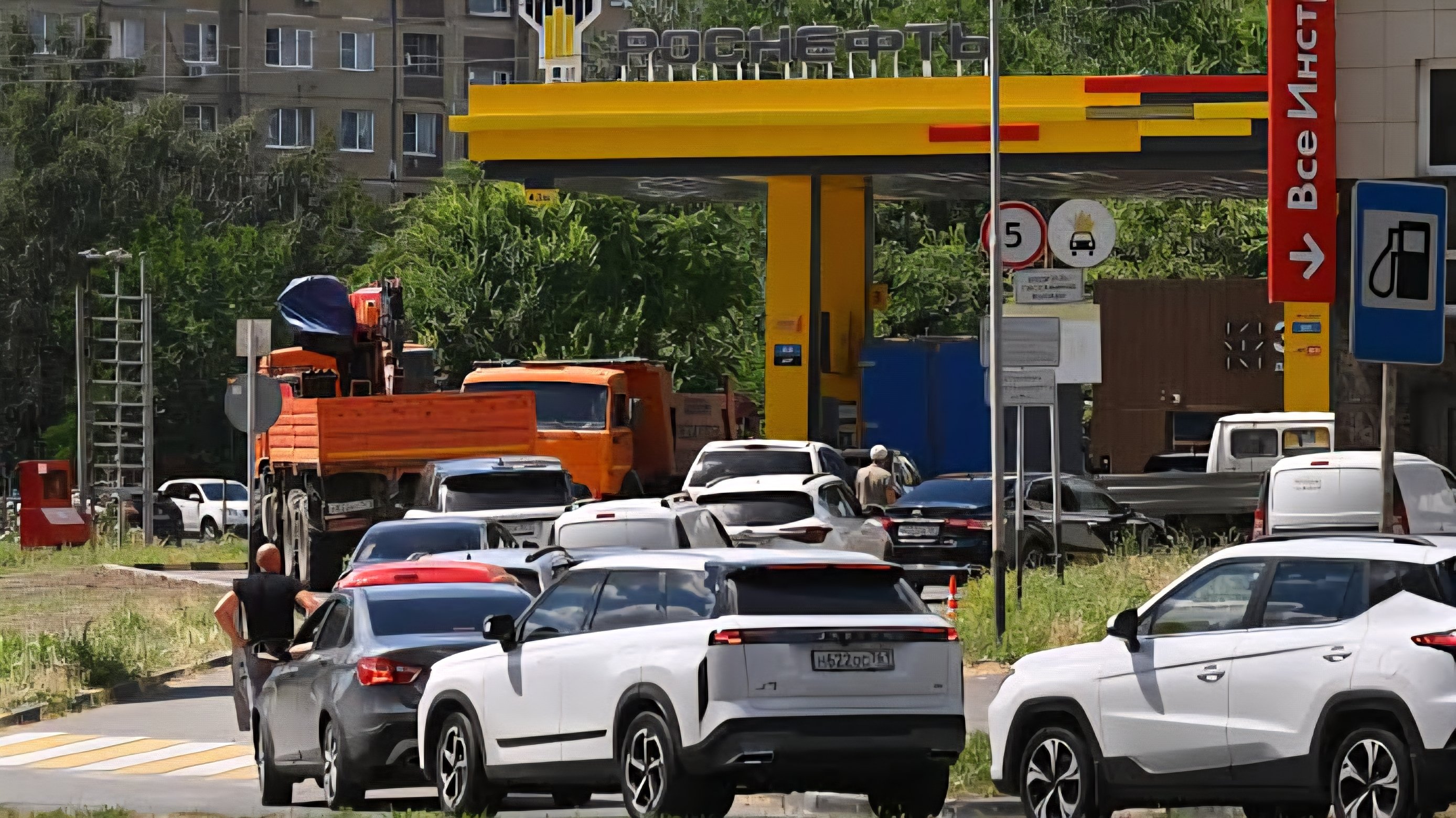

Russia is facing a growing fuel shortage that is beginning to affect transport, farming and regional businesses, raising new political challenges for President Vladimir Putin at a time of wider economic pressure.
The shortages have been reported in several parts of the country, with long queues forming at fuel stations and some suppliers limiting purchases. Diesel and petrol have become harder to access in key farming and industrial regions.
Officials have linked the supply problems to several factors, including refinery maintenance, increased military demand and export pressures. Sanctions and logistical disruptions have also made fuel distribution more difficult in some areas.
The shortages come at a sensitive time for Russia’s agricultural sector. Farmers in many regions are preparing for harvesting and planting seasons, which rely heavily on diesel powered machinery and transport.
Agricultural groups have warned that delays in fuel supply could slow production and affect food distribution. This could add pressure on domestic prices, especially for grain and other basic products.
Transport companies have also raised concerns about rising fuel costs and supply uncertainty. Truck operators, who move goods across Russia’s large territory, say delays are already affecting delivery schedules.
In some areas, public transport operators have reported difficulties securing stable fuel supplies. Local governments are monitoring the situation closely, fearing wider disruptions if shortages continue into the coming weeks.
The Russian government has responded by considering temporary restrictions on fuel exports to keep more supplies within the country. Officials believe this could ease domestic shortages and stabilize prices.
Energy analysts say the problem reflects a complex balance between earning export revenue and meeting internal demand. Russia remains one of the world’s largest oil producers, but refining and transport challenges can still create local shortages.
The fuel issue is adding to broader economic concerns inside Russia. Inflation has remained a key issue for households, with rising prices affecting consumer spending and living costs across many regions.
For President Putin, the shortages present both an economic and political test. Stable fuel supplies are important for maintaining public confidence, especially in rural areas where transport and farming depend heavily on affordable energy.
Political observers note that fuel shortages often carry symbolic weight in oil-producing nations. They can raise public questions about management, priorities, and the ability of the government to control domestic markets.
The Kremlin has said it is working with energy companies to improve distribution and reduce pressure on affected regions. Officials have also promised to monitor pricing and prevent unfair market practices.
Despite these assurances, some regional leaders are asking for faster action. They argue that delays in resolving the shortages could hurt local economies and create frustration among businesses and residents.
The coming weeks may be important in determining whether the shortages are temporary or part of a wider supply problem. Much will depend on refinery output, government intervention and seasonal demand.
For now, Russia’s fuel shortage has become more than just an economic concern. It is emerging as a political issue that could shape public opinion and test the government’s ability to respond quickly.
Comments (0)
Leave a Comment
No comments yet. Be the first to share your thoughts!