
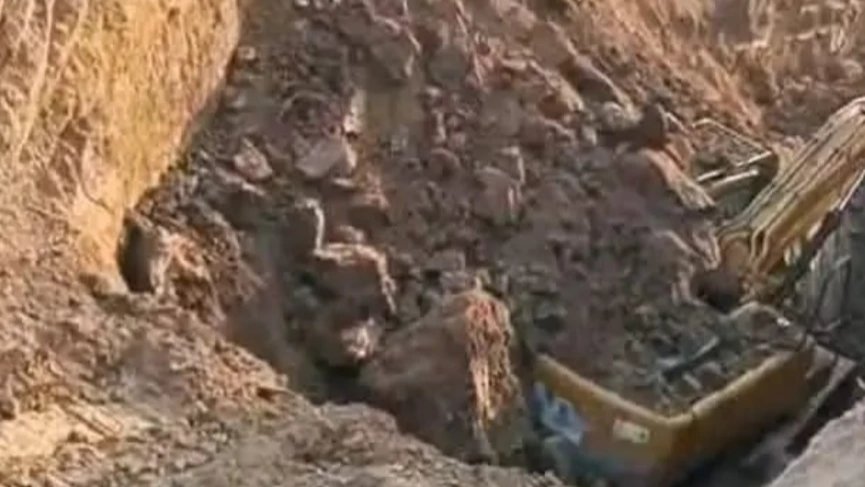

Members of the women's caucus in the Siaya County Assembly have publicly condemned what they describe as systemic sexual exploitation targeting women in the county's artisanal gold mining operations. The concerns focus on widows and single mothers who face coercion into sexual relationships to gain access to mining shafts or gold-bearing stones.
South East Alego Ward MCA Scolastica Madowo led the group in highlighting the issue. Women are often denied work unless they comply with demands from men who control the sites. The abuses stem from deep poverty, unequal power dynamics, and limited state oversight in these informal operations. Legislators stressed that such practices amount to gender-based violence and sexual offences, not cultural norms or economic necessity as sometimes claimed.
The problem has drawn attention in areas like South East Alego Ward and other mining zones in Siaya County, including Bondo Sub-County where sites such as Abimbo have been documented in recent investigations. Artisanal mining in western Kenya remains largely unregulated, with small-scale diggers using basic tools to extract gold from shallow pits or riverbeds. Siaya's deposits, though modest compared to Migori or Kakamega, attract desperate workers amid high unemployment and food insecurity.
Previous reports, including a January 2026 documentary by Africa Uncensored titled "Sex for Gold," exposed similar patterns in Abimbo. Women recounted trading sexual favours for shares of ore, with refusal leading to exclusion from earning opportunities. The practice normalizes exploitation, leaving victims without recourse in isolated mining camps.
The MCAs described the situation as a human rights crisis affecting the entire community, not solely a women's matter. They urged the Siaya County Government to recognize the scale of the problem and act immediately. Specific demands include setting up gender protection frameworks, creating survivor-centred reporting mechanisms, and providing support services for affected women.
At the national level, the legislators called on the government to regulate artisanal and small-scale mining more effectively. They pushed for enforcement of existing sexual offences laws and integration of women's safety provisions into mining policies. Law enforcement agencies received a direct challenge to respond promptly to complaints, prosecute perpetrators without regard for their influence, and increase patrols in mining hotspots to deter abuse.
Siaya County's gold mining sector operates informally, with little formal licensing or oversight from bodies like the Ministry of Mining. Pits often collapse, as seen in past incidents, adding physical dangers to the gendered risks women face. The sector provides livelihoods in rural areas where agriculture yields have declined due to erratic rains, but it lacks labour protections common in formal employment.
Broader context shows artisanal mining across Kenya employs hundreds of thousands, many in hazardous conditions. Women typically handle crushing, panning, and sorting rather than digging, yet they encounter exploitation from site owners or fellow miners. Poverty drives participation, with families relying on small gold sales to buy food or pay school fees.
The women's caucus pledged to use legislative tools, public advocacy, and oversight functions to expose abuses and demand accountability. Their statement follows heightened media coverage of exploitation in Siaya's mines, prompting calls for intervention from civil society and human rights groups.
No immediate response from county or national authorities appeared in the coverage. The assembly's intervention seeks to shift the issue from hidden practices to public policy priority. If addressed, measures could include community sensitization, economic alternatives for women, and stricter site monitoring.
The situation reflects wider challenges in Kenya's informal mining sector. Efforts to formalize operations have progressed slowly, with the 2016 Mining Act requiring community consultations and environmental safeguards, but enforcement remains weak in remote areas. For women in Siaya, the path to safer work requires coordinated action across government levels and stronger legal protections.
Comments (0)
Leave a Comment
No comments yet. Be the first to share your thoughts!