
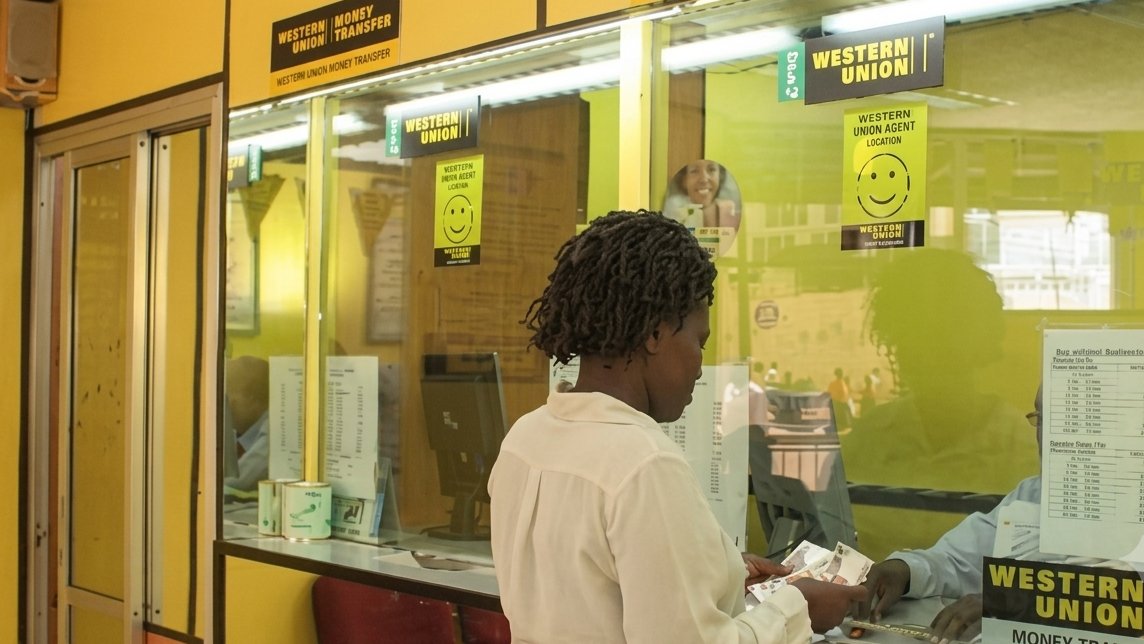

The 2025 Remittances Household Survey reveals stark gender differences in how Kenyans receive and use money sent from abroad. Women make up the majority of recipients yet face greater challenges converting those funds into lasting financial security.
Kenyan households received Sh931.8 billion in remittances between June 2024 and May 2025. Six million women received cash transfers compared to 4.7 million men. The patterns vary sharply by location and form of support.
In rural areas men received Sh404.7 billion nearly double the Sh203 billion that went to women. Women received relatively more in-kind transfers worth Sh47.5 billion. In urban areas women received Sh206.2 billion against Sh118 billion for men with transfers mostly in cash.
FSD Kenya chief executive officer Rashmi Pillai noted that women receive more frequent remittances while men tend to get larger amounts. The distinction matters for long-term outcomes.
One key divide appears in the type of support. Among children and adolescents girls receive more in-kind items such as food clothing and school supplies. Boys are more likely to get cash. This pattern persists into adulthood with women often positioned as household managers and caregivers.
Women aged 30 to 39 form the largest recipient group. They receive both cash and in-kind support. Men in the same bracket receive more cash than in-kind transfers. Cash proves easier to save or invest according to analysts.
Spending priorities reflect these roles. Among female recipients 78.6 per cent used cash remittances for food and household goods compared to 66.7 per cent of men. Women showed higher use for clothing rent utilities and ceremonies such as funerals weddings and graduations.
Specifically 26.2 per cent of women spent on clothing against 12.4 per cent of men. Another 10.5 per cent used funds for rent and utilities compared to 8 per cent of men. Eleven per cent directed money to ceremonies versus 6.2 per cent of male recipients.
The survey links these choices to broader financial health gaps. According to the 2024 FinAccess Household Survey 22.2 per cent of men were considered financially healthy compared to 14.7 per cent of women. That gap stands at 7.5 percentage points.
Men's financial health improved from 18.6 per cent in 2021 to 22.2 per cent in 2024. Women's rate stayed unchanged at 14.7 per cent over the same period. The disparity has widened even as women gain ground in financial inclusion.
Pillai described a deeply gendered inequality. Inclusion in remittance flows does not equal benefiting equally from them. Women often act as custodians of household welfare receiving resources meant to keep families running. Men more frequently get transfers that support financial autonomy.
The findings come from research by the Kenya National Bureau of Statistics the Central Bank of Kenya and FSD Kenya. They confirm long-standing observations about how gender roles influence money flows and outcomes.
Households with lower education levels and those in rural areas rely more on in-kind remittances. Urban and more educated households predominantly receive cash. Mobile money accounts are common among recipients at 82.5 per cent while bank accounts stand at 55.4 per cent. Uptake of investment products remains low across the board.
These patterns matter for household stability in a country where remittances form a vital part of many family budgets. The data underscores how traditional expectations around care and provision continue to shape financial decisions and resilience.
Comments (0)
Leave a Comment
No comments yet. Be the first to share your thoughts!