
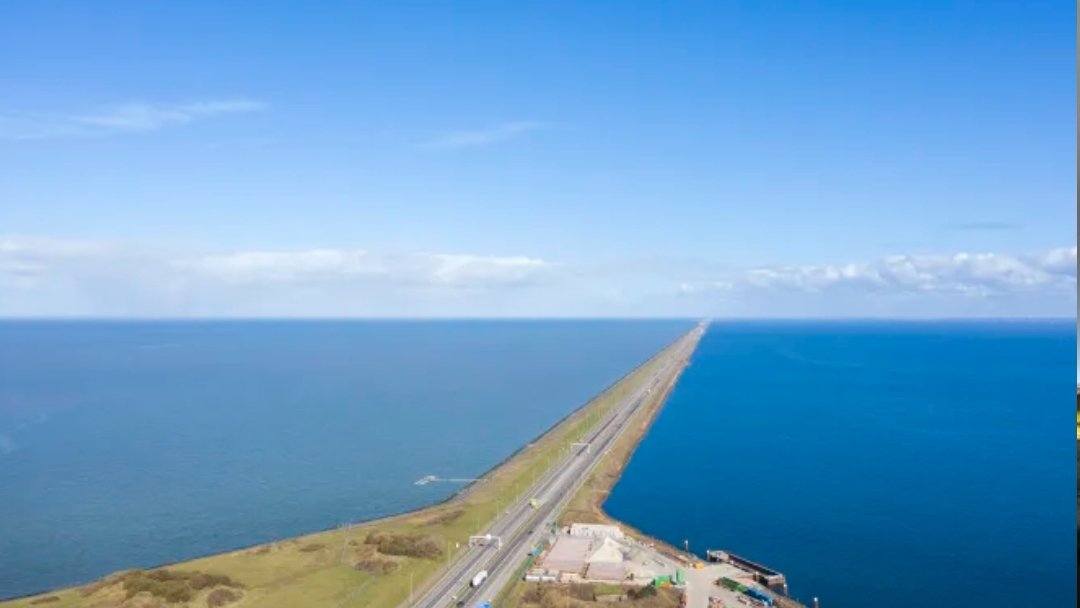

The Netherlands has long lived with water as both a partner and a threat. Large parts of the country sit below sea level, making floods a constant concern rather than a rare event.
For centuries, people in the region built dikes, drained wetlands and created polders. These efforts slowly turned parts of the sea and marshland into usable land for farming and settlement.
The struggle is not new, but the stakes are rising. Climate change is increasing sea levels and changing rainfall patterns, putting more pressure on existing flood defenses.
Coastal storms are also becoming more intense in the North Sea. This increases the risk that water could push through barriers during high tides or storm surges.
One of the country’s best-known defenses is the Delta Works. This system of dams, sluices and storm surge barriers was built after the devastating 1953 flood.
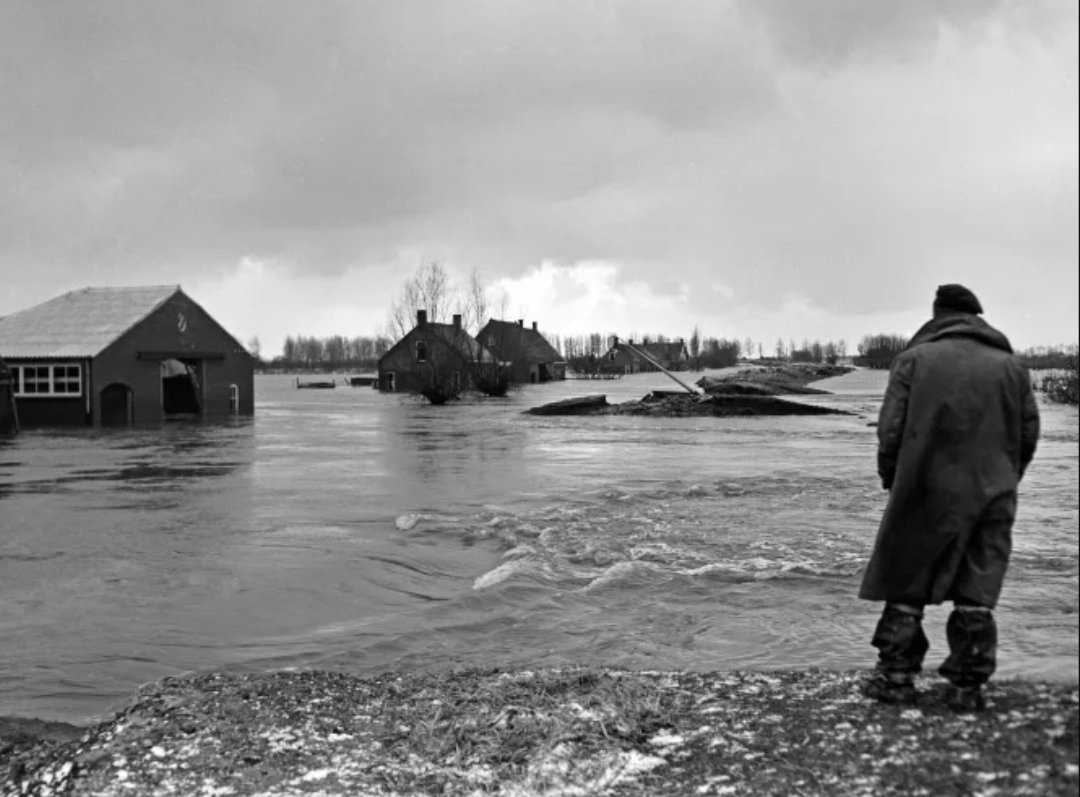
The 1953 floods /CNN
That disaster killed thousands and reshaped how the country thinks about water safety. It pushed engineers and planners to design stronger, more flexible protection systems.
Today, the Delta Works are still maintained and upgraded. They are not static structures but part of an ongoing effort to respond to changing conditions.
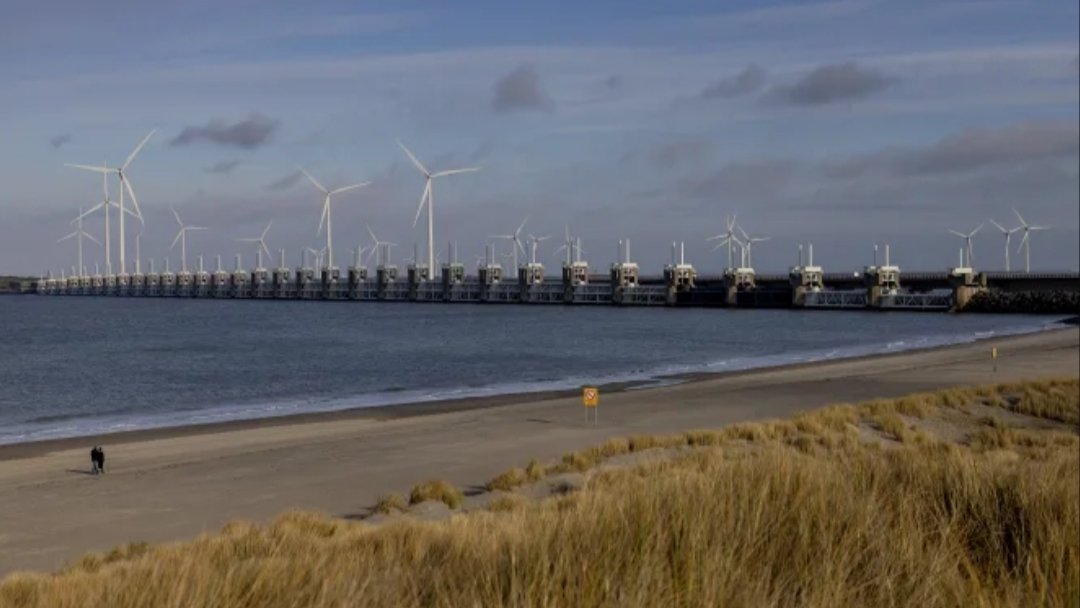
Known as the Delta Works and spanning roughly 1,000 kilometers (621 miles) the Netherlands’ system of storm-surge barriers has protected it for decades. The Oosterscheldekering is the world’s largest storm surge barrier and stretches 9 kilometers (5.6 miles), with 62 movable gates. /CNN
Beyond large infrastructure, the Netherlands also relies on local water boards. These regional bodies manage dikes, canals and water levels in everyday settings.
They work closely with national agencies to ensure that water management decisions are coordinated across cities, farmland and coastal zones.
In recent years, Dutch planners have shifted toward living with water approaches. Instead of only blocking water, some areas are designed to temporarily hold or redirect it.
Rivers are given more space to overflow safely during heavy rains. This reduces pressure on dikes and lowers the risk of sudden failures.
Urban areas like Rotterdam are experimenting with water plazas and floodable parks. These spaces can store excess rainwater while still serving as public areas during dry periods.
Despite these efforts, challenges remain. Rising sea levels mean that older defenses may not be enough in the long term without major upgrades or redesign.
The country continues to invest heavily in research, engineering and climate planning. Its experience is also being studied by other coastal nations facing similar risks
Comments (0)
Leave a Comment
No comments yet. Be the first to share your thoughts!