
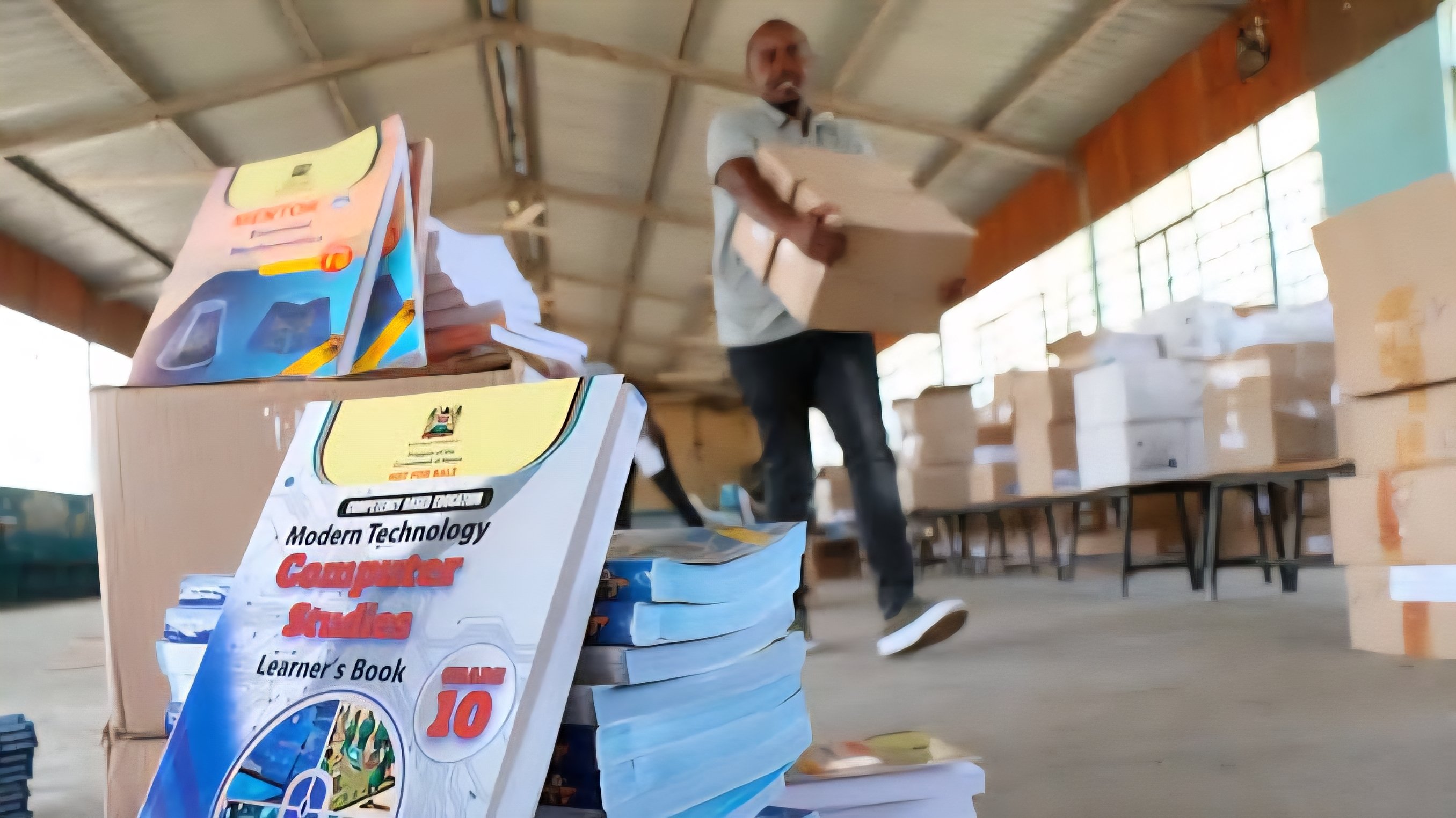

The transition to Senior School in Kenya has hit a significant logistical bottleneck, leaving Grade 10 learners in the Science, Technology, Engineering, and Mathematics (STEM) pathway without the necessary Competency-Based Curriculum (CBC) textbooks. Despite the government's push to modernize the educational framework, many classrooms across the country are currently reverting to the old 8-4-4 system materials to keep lessons moving.
This infrastructure deficit in learning materials comes at a critical time for the first cohort of the Kenya Junior Secondary School transition. While the physical buildings and laboratories are being prioritized in various parts of the country, the "soft infrastructure"—the specialized textbooks required for the new curriculum—has failed to reach the hands of students on schedule.
Publishers have pointed to a variety of factors for the shortfall. Some representatives from the publishing industry have cited recent adverse weather conditions as a primary disruptor in the supply chain. Heavy rains and logistical challenges in rural areas have reportedly slowed down the distribution from central warehouses to individual school clusters. However, critics argue that the delay reflects deeper systemic issues in the procurement and approval timelines managed by the Kenya Institute of Curriculum Development (KICD).
For STEM students, the reliance on 8-4-4 textbooks is particularly problematic. The CBC framework is designed to be more practical and inquiry-based compared to the previous system, which was often criticized for being overly focused on rote memorization and examinations. Using old textbooks means teachers must manually adapt lessons to fit the new standards, a process that risks diluting the quality of the STEM pathway, which is intended to drive Kenya's future industrial and technological growth.
The Ministry of Education has previously maintained that the rollout would be seamless, yet the reality on the ground in many public schools tells a different story. Headteachers have expressed concern that the lack of uniform materials creates an uneven playing field between well-resourced private institutions and public schools that depend entirely on government-supplied kits.
In terms of the broader infrastructure of the education sector, the government is currently overseeing the construction of thousands of new classrooms to accommodate the Senior School transition. The Ministry of Education has earmarked billions of shillings for these physical expansions. Yet, as the textbook crisis shows, the success of the new education system depends as much on the timely delivery of curriculum content as it does on the bricks and mortar of the classrooms.
As the first term progresses, the pressure is mounting on the government to clear the distribution backlog. Educational experts warn that every week spent using the wrong curriculum materials creates a cumulative disadvantage for the students. For a system touted as the solution to Kenya's skills gap, the current reliance on 30-year-old textbooks for the scientists and engineers of tomorrow remains a stark contradiction.
The situation remains fluid, with publishers promising to expedite deliveries as weather conditions improve. Until then, Grade 10 instructors are being forced to innovate with limited resources, highlighting a significant gap between the policy goals of the New System and the practical realities of its implementation on the ground.