
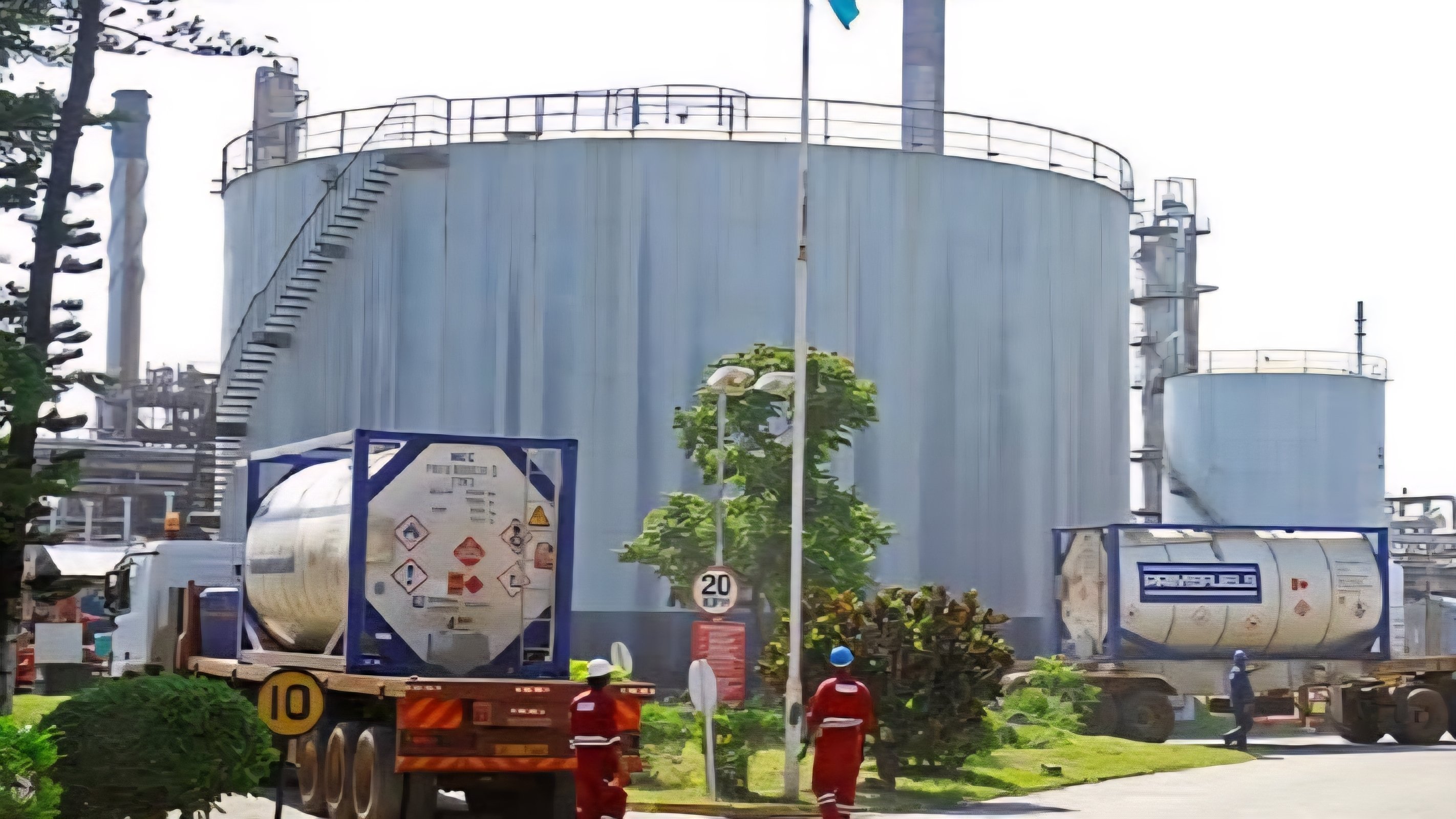

Kenya is navigating a delicate economic period as the latest data indicates a tightening of fuel stocks and increased pressure on foreign exchange reserves. Current petroleum holdings are estimated to last between 21 and 30 days without fresh imports. This timeframe remains critical for the logistics and transport sectors, which underpin the delivery of construction materials and equipment across the country.
The absence of long-term strategic fuel reserves means the domestic market relies heavily on recent shipments. While current pump prices are supported by products imported before recent global price surges, any prolonged disruption could see costs rise. For the infrastructure sector, where fuel accounts for a significant portion of earthmoving and transport expenses, these shortages often translate into slower project delivery and higher operational overheads.
Foreign exchange reserves have recently experienced a decline, dropping by approximately $366 million to settle at $13.7 billion. Although this still provides roughly 5.8 months of import cover, the downward trend remains a point of concern for market analysts. When oil imports become more expensive due to global market volatility, the Central Bank must utilize these reserves to stabilize the currency and facilitate trade.
The Kenyan shilling has maintained a level of relative stability, trading between Sh128 and Sh130 against the US dollar. However, the demand for dollars to fund energy imports remains high. If the shilling weakens further, the cost of importing specialized construction machinery and raw materials like bitumen and steel will likely increase, adding to the total capital expenditure for ongoing public and private works.
Government officials, including Treasury Cabinet Secretary John Mbadi, have previously noted that while short-term cover exists, the deterioration of sovereign risk and tightening global markets make the timing of new deliveries vital. The current stock levels for specific products like petrol are reported as low as 16 days in some government assessments, though overall diesel stocks provide a slightly longer buffer for heavy industry.
Financial institutions and investors are increasingly monitoring these indicators, as higher fuel costs tend to drive up inflation. This trend often influences interest rates and borrowing demand, which are key drivers for the financing of large-scale infrastructure developments. In response to these shifts, there has been a documented move toward holding more stable assets, including US dollars and bank stocks, to mitigate the impact of rising costs.
Maintaining the current import schedule is essential to prevent a supply crunch that could stall major projects. For now, the stability of the shilling remains a primary defense against imported inflation, but the reliance on monthly import cycles leaves the economy vulnerable to external shocks in the global energy market.
Comments (0)
Leave a Comment
No comments yet. Be the first to share your thoughts!