
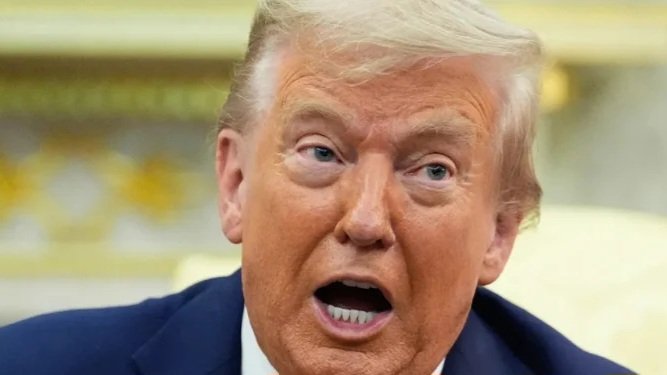

Tensions in the Middle East have escalated following reports that Iran has begun implementing a fee structure for commercial tankers passing through the Strait of Hormuz. The move, which targets one of the world's most critical maritime chokepoints, has drawn an immediate and forceful response from Donald Trump.
White House officials stated that the former president wants the waterway reopened completely and immediately. The demand specifies that transit should occur without any form of limitation, explicitly including the removal of any newly imposed tolls or fees on international shipping vessels.
The Strait of Hormuz remains a primary artery for global energy supplies, with roughly one-fifth of the world's total oil consumption passing through the narrow passage daily. Any disruption to the free flow of traffic in this region typically results in immediate volatility across global energy markets.
This development comes during a period of high sensitivity regarding the fragile US-Iran ceasefire. Analysts suggest that the introduction of transit fees could be viewed as a provocative shift in maritime policy, potentially infringing on international waters' navigation rights.
The statement issued by Trump reflects a hardline stance against any Iranian efforts to monetize or restrict access to the corridor. Market observers are closely monitoring the situation, as any prolonged dispute over tanker fees could lead to increased insurance premiums for shipping companies.
Higher operational costs for tankers often translate to increased prices at the pump for consumers globally. The situation remains fluid as international maritime bodies review the legality of the reported Iranian fees under existing law of the sea frameworks.
Global energy markets reacted with caution to the news, as the Strait of Hormuz is essential for the export of crude oil from major producers in the Middle East. Ensuring the stability of this route is a priority for major economies that rely on these shipments.
The reported tolls represent a significant shift in the operational environment of the Persian Gulf. Historically, the right of transit through the strait has been a point of contention, but the formal charging of fees marks a new escalation in the ongoing regional friction.
Further updates from White House officials are expected as they assess the impact of these reports on current diplomatic efforts. For now, the focus remains on maintaining the "completely and immediately" open status of the waterway as demanded in the recent warning.