

A version of this article appeared on Nation.Africa.
Eight decades have passed since the global community last had to rebuild itself from total ruin, making it easy to forget what made that massive post-war reconstruction effort necessary.
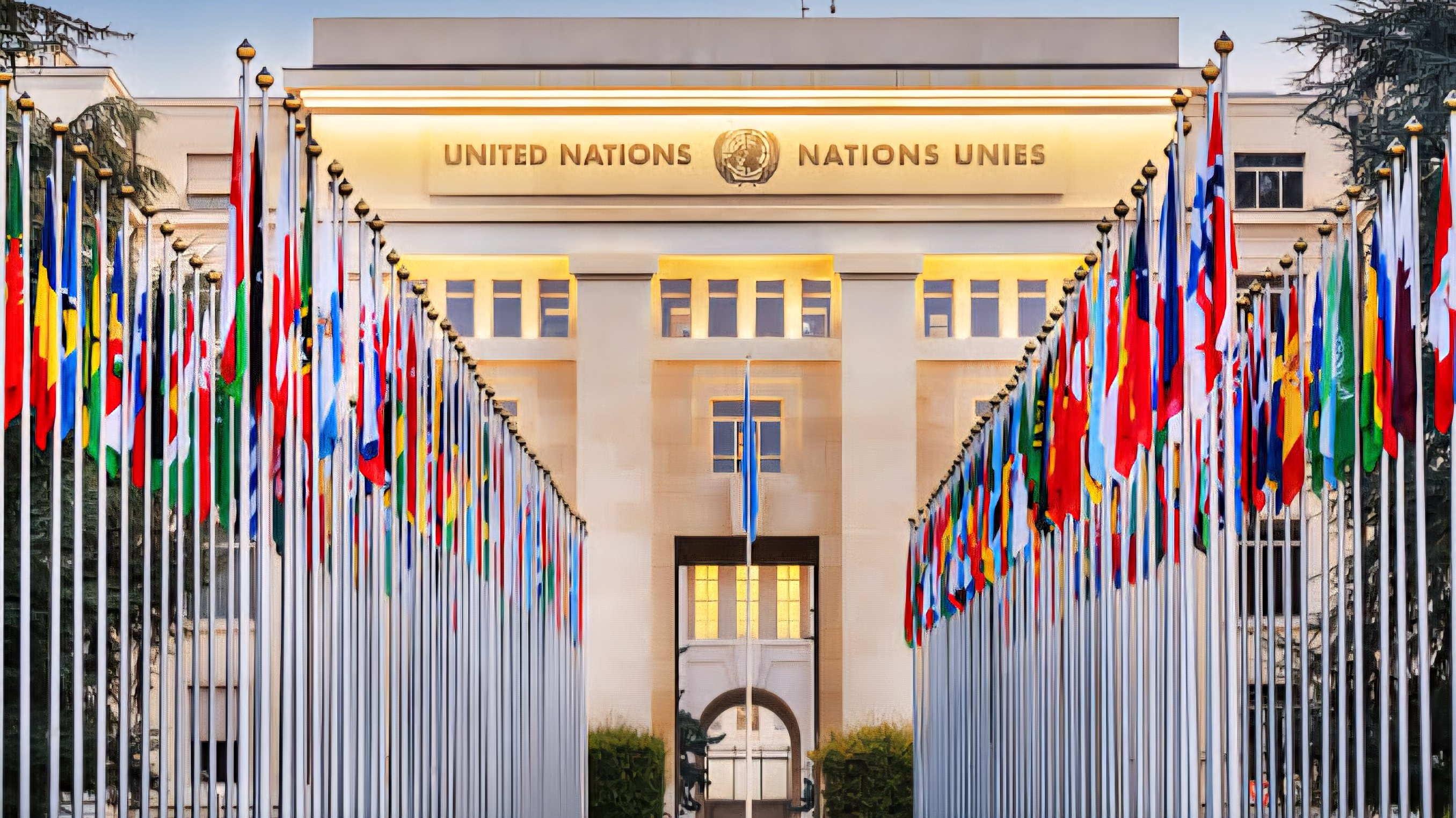
The United Nations (UN) came into being in 1945, following the devastation of the Second World War, with one central mission, which was to maintain international peace and security.
This foundational global system was not an idealistic experiment, but rather a painful effort to counter what happens when individual nations choose to act alone without cooperation.
From that single founding principle grew the entire complex architecture of modern international cooperation, including the World Health Organization (WHO) and the World Bank (WB).
Other critical international frameworks emerged over the subsequent decades, such as the World Trade Organization (WTO) and the United Nations Framework Convention on Climate Change (UNFCCC).
Through these highly institutionalized frameworks, nations have consistently chosen structured negotiation over open conflict, expanding the community from fifty-one founding member states to one hundred and ninety-three today.
This massive expansion serves as a clear testament to how deeply the world has embraced the idea, that shared problems demand shared global solutions.
Yet, as the global community recently marked the International Day of Multilateralism and Diplomacy for Peace, the overarching global governance system faced immense structural strain.
The occasion felt less like a celebration, and more like an urgent, scary reminder of the fractured diplomatic space that sovereign nations are currently entering.
No country can solve modern infrastructural, economic, or environmental challenges alone, meaning that dialogue, diplomacy, and multilateral solutions provide the only sure path forward.
The international governance framework built in the aftermath of World War II was designed precisely for these moments of intense, compounding global crisis.
To abandon this architecture now through isolationism, unilateralism, or simple indifference would be a dangerous, far-reaching mistake for international development and stability.
It is in precisely such moments of severe fracture, that multilateralism and peaceful coexistence become both aspirational and deeply existential for developing nations.
Across Africa, rising energy prices are currently assaulting everyday life, and could translate into massive social and political unrest if left unaddressed by international systems.
No single government can contain these macro disruptions alone, highlighting that our challenges are interconnected in ways that no tariff or wall can dissolve.
Recent warnings from global diplomats highlight a severe rupture in the world order, signalling the end of a fiction where great powers face no constraints.
While the old order is not coming back, a quietly hopeful dynamic unfolded at the UN headquarters in New York City during recent diplomatic sessions.
For too long, the African continent has arrived at the international negotiating stage divided, speaking as fifty-four separate voices instead of a unified coalition.
Ancient wisdom dictates that a single stick is easily broken, but a bundle is not, making a unified continental front an urgent global necessity.
This shifting reality means empowering the African Union (AU) as a genuine, highly effective instrument of collective will across all member states.
Together, African nations hold the definitive keys to the sustainable tomorrow of the world, making internal institutional cohesion highly paramount for future negotiations.
The multilateral system will not disappear entirely, but the version emerging from this period of rupture must be built on fairness and absolute equality.
Every nation must arrive at the global negotiating table with an equal standing, and an equal voice to build a sustainable future together.
Comments (0)
Leave a Comment
No comments yet. Be the first to share your thoughts!