

Industrial property developer Africa Logistics Properties (ALP) has gained a Sh228 million financial lift following tax provisions under local fiscal legislation. The capital injection comes as developers across East Africa adjust to shifting fiscal policies.
According to financial reports, the monetary benefit stems from specific tax relief measures created by national tax policy adjustments. The company has directed substantial investment toward developing Grade A modern storage hubs across major transport corridors in Nairobi.
Specialized logistics real estate continues to attract global institutional capital into Kenya, but taxation remains a critical factor for project delivery. High capital expenditure in earthworks, steel fabrication, and drainage systems means tax incentives significantly influence project timelines.
The financial recovery provides additional liquidity for ongoing phase developments within the firm's commercial portfolio. Company operations have focused heavily on providing customized units for light manufacturing, e-commerce, and regional distribution firms.
Market analysts note that tax credits under fiscal legislation reduce overall project debt servicing costs for large-scale industrial schemes. Developers often face significant preliminary costs when installing primary trunk infrastructure, including access roads, sewer networks, and high-voltage power connections.
The Kenya Revenue Authority (KRA) administers tax relief framework mechanisms designed to encourage capital investment in manufacturing and logistics infrastructure. These regulatory provisions allow commercial builders to claim allowable allowances on modern industrial structures.
Industrial supply chains across the Nairobi metropolitan area have experienced growing demand for consolidated storage facilities. Foreign direct investment into the local logistics market has steadily expanded, driven by regional trade within the East African Community (EAC) market.
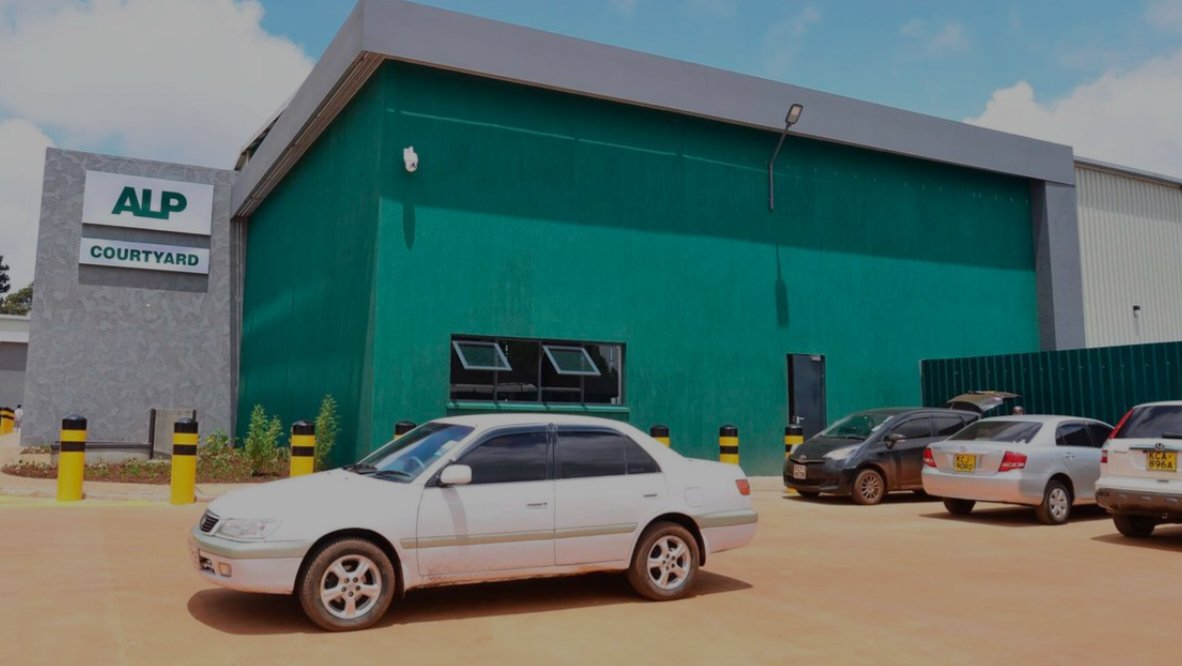
The developer's ALP Courtyard unit targets small and medium enterprises needing flexible lease terms and standardized utility connections. Rising land acquisition costs around key transport bypasses have forced many logistics firms to seek pre-built rental facilities.
Government policy under President Ruto has emphasized private sector participation in expanding industrial parks and modern agro-processing hubs. Tax relief mechanisms established in national fiscal legislation serve as an essential incentive for long-term infrastructure commitments.
Construction expenses for high-specification warehouses have risen in recent years due to imported steel prices and fluctuating currency rates. Returning capital to developers through legitimate statutory claims helps mitigate macro-economic risks on active job sites.
Logistics providers require high-clearance structures equipped with heavy-duty floor slabs, dock levellers, and advanced fire suppression systems. Meeting these technical standards demands significant upfront expenditure, which makes tax relief recovery a notable operational advantage.
As new industrial parks take shape along major arterial highways, fiscal stability remains central to ongoing project delivery. Investors continue to evaluate tax policy impacts before committing capital to long-term commercial construction projects across the region.
The recovery of these funds underscores how national tax frameworks directly impact large-scale commercial real estate funding structures. Further capital allocations across the sector will depend on sustained legislative and fiscal stability, which remains critical for institutional developers.
In addition, modern warehousing facilities help reduce supply chain bottlenecks for local import and export operations. High-grade logistics hubs remain essential as Kenya expands its position as a primary commercial gateway for the broader East African trade zone.
With long-term leasing options becoming standard practice, property investment firms rely on structured tax benefits to balance initial debt financing. Continued policy clarity will remain vital as additional commercial and industrial infrastructure projects move from planning to execution.
Comments (0)
Leave a Comment
No comments yet. Be the first to share your thoughts!