
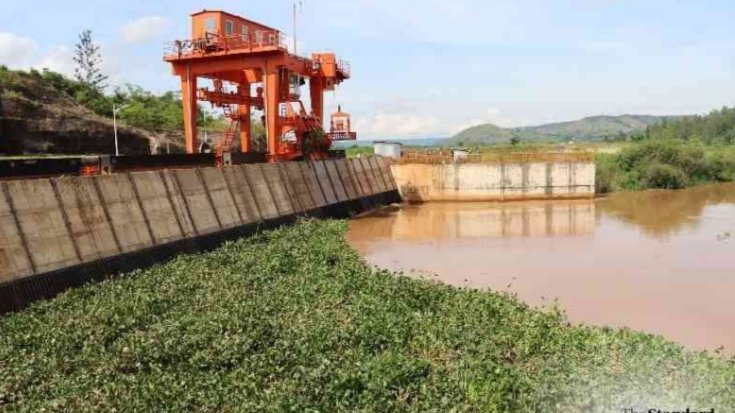

Water hyacinth that once drew curiosity at Lake Naivasha has become a serious problem. The invasive weed now covers nearly a third of the water body and is paralysing fishing and tourism activities.
Sections of the North and South Lake have become inaccessible. The weed is spreading at an alarming rate, raising anxiety among operators around the lake.
Grace Nyambura of the Lake Naivasha and Lake Oloiden Fisher’s Organisation said operators in Naivasha were suffering. Attention had previously focused on Lake Victoria, leaving the Naivasha problem less addressed.
Apart from destroying nets, the weed has affected navigation at a time when the lake is recording high numbers of local and international tourists.
Edna Waithaka of the Kenya Marine and Fisheries Research Institute in Naivasha admitted that controlling the weed remains a major challenge. High levels of nutrients from runoff from surrounding agricultural activities and flower farms are causing the weed to rejuvenate very fast.
The weed is currently highly concentrated in the North Lake. Mechanical removal is now regarded as the practical way forward after beetles introduced years ago were outpaced by the rapid growth.
Fisherman Jared Ouko described the weed as a thorn in the flesh. It sweeps away nets and catch daily and continues to hinder navigation as it spreads from one section of the lake to another.
Francis Muthui of Friends of Lake Naivasha said the presence of the weed remains a key challenge. He called for the same mechanical efforts used on Lake Victoria to be deployed at Naivasha to save the water body.
The weed has covered nearly a third of the lake. Operators are urging the government to bring in the machines already in use elsewhere.
Nutrients from nearby farms and informal settlements are blamed for the accelerated spread. Earlier biological control attempts using beetles failed to keep pace with the growth.
Fishing communities report daily losses of gear and reduced catches. Tourism operators face restricted access to parts of the lake that were previously navigable.
The combination of blocked waterways and damaged equipment has disrupted livelihoods that depend on the lake. Calls for coordinated mechanical intervention continue from both fishers and local conservation groups.
No large-scale removal programme specific to Naivasha was reported as under way at the time of the accounts. The concentration in the North Lake remains the most immediate concern for those working on the water.
Comments (0)
Leave a Comment
No comments yet. Be the first to share your thoughts!