

A version of this article appeared on X by Ignacious.
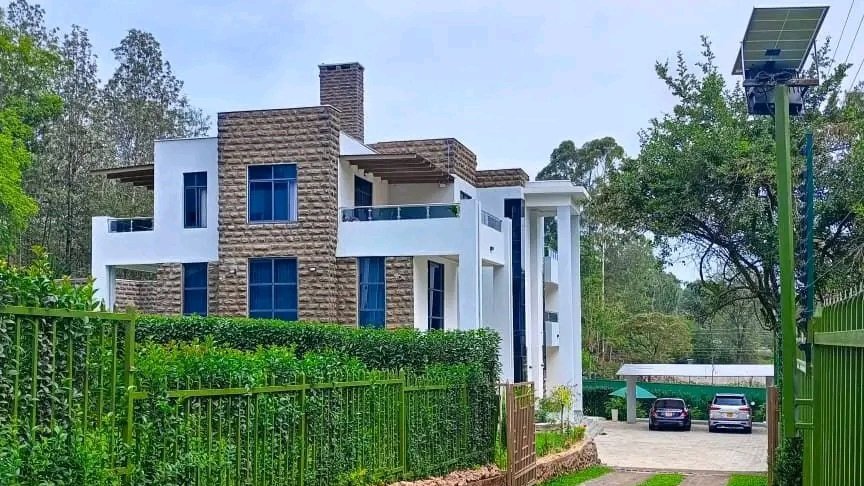
A six-bedroom mansion listed for sale in the leafy suburb of Karen, Nairobi, at Kenya Shillings (KSH) 165 million has ignited fresh discussions surrounding luxury property valuations. The estate highlight showcases the evolving dynamics of high-end real estate within the capital city.
Market data shared alongside the listing indicates that renting a comparable six-bedroom residential property in the area averages KSH 200,000 per month. That monthly figure translates to an annual rental outlay of KSH 2.4 million for tenants residing in similar upscale locations.
At that rental rate, a tenant would need approximately 69 years of continuous payments to equal the KSH 165 million outright purchase asking price. The comparison highlights the wide gap between capital values and rental yields in prime suburbs.
In an alternative scenario highlighted by sector observers, a developer can spend approximately KSH 80 million to construct a similar home. That self-build estimate covers direct construction expenses on an existing parcel of land within the precinct.
The disparity between acquisition costs and direct construction expenditure underscores the premium placed on completed turn-key properties. Developers often factor in site acquisition, infrastructure connections, design fees, and profit margins when setting final sale prices.
High-end residential developments in Karen continue to attract interest from wealthy buyers seeking spacious housing. The neighborhood remains a focal point for private residential development due to strict zoning regulations and large plot sizes.
Land values in Karen have shown consistent growth over the past decade, which impacts total development costs significantly. A substantial portion of the KSH 165 million valuation reflects the underlying land value rather than purely structure expenses.
Prospective homeowners often weigh the immediate convenience of buying against the potential cost savings of managing a construction project. Building independently requires navigating local planning permissions, contractor procurement, and extended project delivery timelines.
Rental yields in luxury detached housing segments traditionally lag behind commercial property or multi-family apartment blocks. Investors purchasing at high capital values usually rely on long-term capital appreciation rather than immediate rental income return.
The cost analysis surrounding the Karen property illustrates how varied investment approaches yield drastically different financial commitments. Choosing between buying, renting, or constructing depends heavily on individual capital availability and time horizon.
As Nairobi expands, prime suburban land remains in high demand among private developers and individual buyers. The ongoing valuation debate reflects broader trends in how high-net-worth individuals allocate capital within the Kenyan property sector.
The pricing breakdown provides a rare direct comparison of costs in one of Nairobi premier residential enclave neighborhoods. Market participants continue to track these numbers to gauge actual returns across different real estate strategies.
Comments (0)
Leave a Comment
No comments yet. Be the first to share your thoughts!