

A former supermarket employee has lost her privacy case against her previous employer. The court ruled against her after WhatsApp messages proved she had given consent for the use of her image.
The woman had sued the retailer claiming the company used her photograph in advertisements without her permission. She argued this violated her privacy rights.
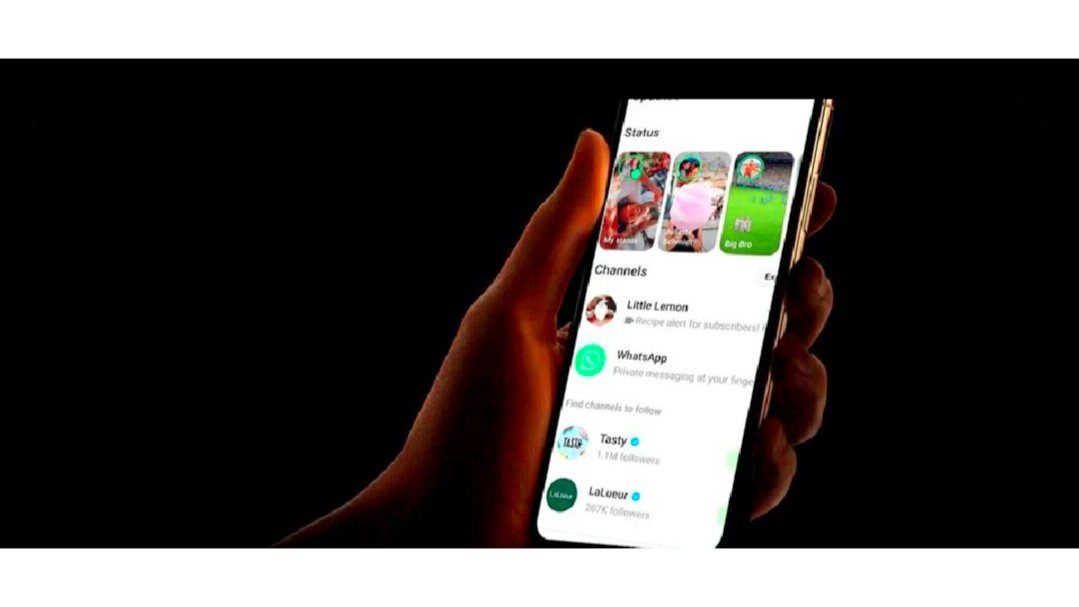
However evidence presented in court included a WhatsApp conversation between the employee and her former boss. In the exchange she explicitly approved the use of her photo for promotional purposes.
This exchange became the key evidence that sank her case. The court found that she had willingly given consent at the time.
The ruling highlights the importance of keeping records of digital communications. WhatsApp messages and other chat records can serve as valid evidence in legal disputes.
The case also serves as a reminder to both employers and employees. Clear communication and written approval are essential when using personal images for commercial purposes.
Privacy laws in Kenya protect individuals from unauthorised use of their likeness. However consent once given can be difficult to revoke especially when documented.
Legal experts say this judgment will influence similar cases in future. Companies are now more likely to seek explicit approval before using employee images in marketing.
The supermarket had used the woman's photo in various advertisements over a period of time. She claimed this caused her distress and violated her rights.
The court however sided with the employer based on the WhatsApp evidence. The messages clearly showed she had no objection at the time the photos were taken and used.
This case adds to a growing number of legal disputes involving digital consent and privacy in Kenya. As social media and digital marketing expand such issues are becoming more common.
Comments (0)
Leave a Comment
No comments yet. Be the first to share your thoughts!