
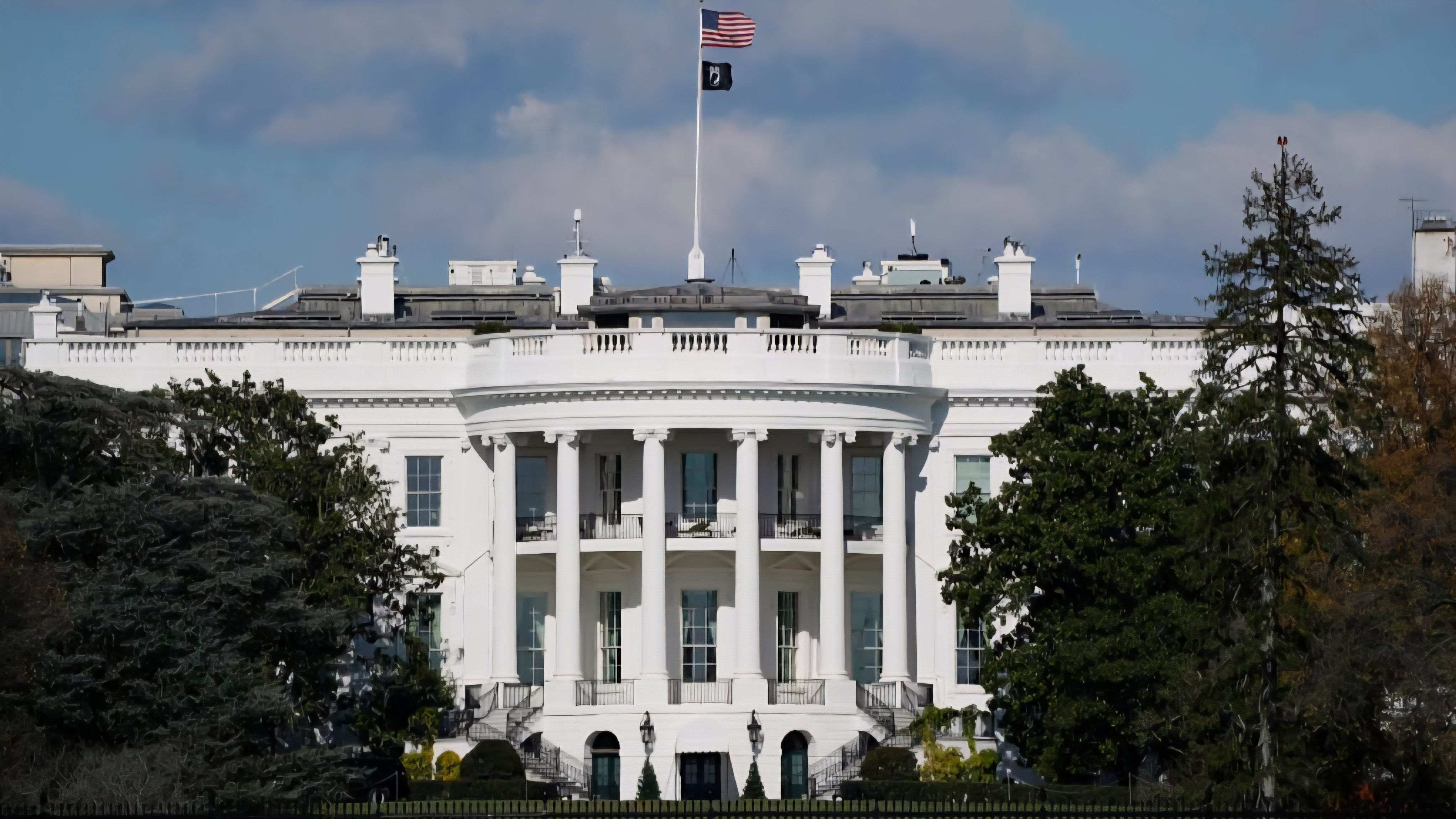

The White House confirmed on Friday that it is formalizing a closer working relationship with domestic artificial intelligence firms. This move seeks to address what officials describe as industrial-scale campaigns by foreign actors to illicitly acquire American technological advancements.
Government officials indicated that the collaboration will focus on sharing threat intelligence and strengthening the security of AI models. The goal is to ensure that proprietary research and critical infrastructure stay within the control of domestic innovators.
The announcement comes at a time when the race for AI supremacy has become a central pillar of global geopolitical competition. Foreign adversaries have increasingly targeted the intellectual property of private tech companies to bypass years of research and development costs.
Under the new framework, the executive branch will facilitate more frequent communication between national security agencies and private sector developers. This bridge is intended to help firms identify vulnerabilities before they can be exploited by state-sponsored hackers.
While specific countries were not named in the initial statement, the focus on industrial-scale operations suggests a high level of coordination behind the observed theft attempts. These campaigns often involve a mix of cyber intrusions and traditional corporate espionage.
For the construction and infrastructure sectors, the security of AI is becoming increasingly vital. Large-scale projects now rely on sophisticated algorithms for logistics, structural integrity simulations, and autonomous machinery operations.
If the underlying code for these systems is compromised, it could expose sensitive blueprints or operational data for major public works. Protecting these digital assets is now viewed as a matter of national economic security.
The White House spokesperson emphasized that the administration views AI as a transformative force that requires a unique defense strategy. Unlike traditional software, AI models represent massive investments in computing power and specialized data sets.
Industry leaders have generally welcomed the move, noting that private companies often lack the intelligence resources to track sophisticated foreign actors on their own. The partnership aims to fill this gap through a unified front.
Further details on the specific protocols for data sharing are expected to be released in the coming weeks. For now, the administration is focusing on establishing trust and clear lines of communication with the tech giants.
This policy shift reflects a broader trend of the US government taking a more hands-on role in protecting emerging technologies. It follows similar efforts in the semiconductor and green energy sectors over the past year.
As the program rolls out, the impact will likely be felt across all industries that utilize high-level automation. The protection of these "advances in technology" is seen as essential for maintaining a competitive edge in the global market.
Comments (0)
Leave a Comment
No comments yet. Be the first to share your thoughts!