
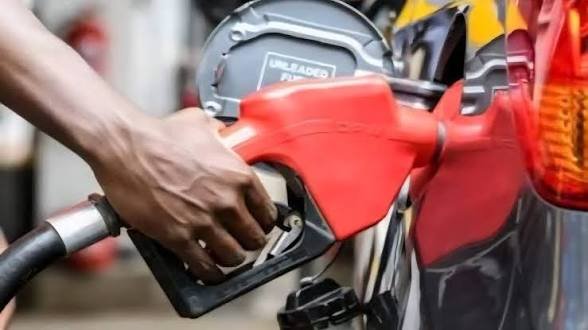

The Energy and Petroleum Regulatory Authority (EPRA) has implemented a sharp upward revision for refined petroleum pump prices in its latest monthly review, pushing diesel costs to an all-time record.
In Nairobi, a litre of diesel has increased by Sh46.29, bringing the retail price to Sh242.92. Super petrol rose by Sh16.65 to retail at Sh214.25, while illuminating kerosene remains unchanged at Sh152.78 due to continued government absorption of its rising costs.
The unprecedented gap between diesel and petrol presents a severe structural shock to heavy industries, mechanical construction projects, and bulk material transport networks that rely almost entirely on diesel fuel.
According to EPRA, the price spikes stem from a dramatic surge in the average landed cost of imported products. The landed cost of diesel jumped 20.32 per cent, climbing from US$1,073.82 to US$1,291.98 per cubic metre, while petrol import costs rose by 10 per cent.
These import spikes are heavily driven by prolonged geopolitical tensions in the Middle East involving Iran, which have restricted transit through the strategic Strait of Hormuz shipping corridor. International Brent crude prices have consequently stayed volatile, trading well above US$107 per barrel.
Domestic factors have intensified the crisis. A weakened Kenyan shilling has amplified import expenses, and the national stabilization programme faces a funding crunch, with the state owing oil marketers roughly Sh17 billion in unpaid subsidy debts.
This backlog has disrupted cash flows for smaller independent distributors, sparking localized fuel supply shortages and claims of hoarding across parts of the country.
The price adjustments have drawn sharp criticism from consumer groups and the Kenya National Chamber of Commerce and Industry (KNCCI), who warn that increased fuel costs will trigger immediate inflation across food, transport, and manufacturing.
President Ruto has previously defended the heavy tax burden on petroleum products, maintaining that the revenue remains essential for financing national infrastructure development ambitions.
The current high rates will remain in effect until June 14, 2026, leaving contractors and haulage firms to navigate highly elevated operational costs.
Comments (0)
Leave a Comment
No comments yet. Be the first to share your thoughts!