

A version of this article originally appeared in the Business Daily.
Kenya has built its economy around trade routes that stretch from coastal ports inland, a pattern that dates back centuries. Today, with container traffic at Mombasa and ambitions for a new facility at Lamu, the country is exploring ways to connect these assets more closely to roads and railways. This approach, drawing on multimodal transport, involves coordinating sea, rail, road and air links to move cargo efficiently.
The idea is straightforward: when different transport modes work together within a single system, goods travel more cheaply and faster. Rail and sea handle the bulk, keeping costs down per tonne-kilometre, while reducing handling that can lead to losses. It also means better reach for landlocked neighbors and a lighter environmental impact through lower emissions. Kenya's position in East Africa makes this relevant, as Mombasa serves as the main entry point for the Northern Corridor, handling imports and exports not just for local markets but for Uganda, Rwanda, Burundi, the eastern Democratic Republic of Congo, and South Sudan.
Nairobi stands out in this setup, functioning as a central hub for logistics and finance. Its airport network supports quick shipments of high-value items like fresh produce from horticulture farms or medicines that need rapid delivery. Adding a second major port at Lamu could spread the load, easing reliance on Mombasa alone. The Lamu Port-South Sudan-Ethiopia Transport Corridor, known as Lapsset, covers more than just Kenya; it ties into Ethiopia and South Sudan, aiming to reshape regional commerce by cutting down on the high costs that come from long distances and poor connections.
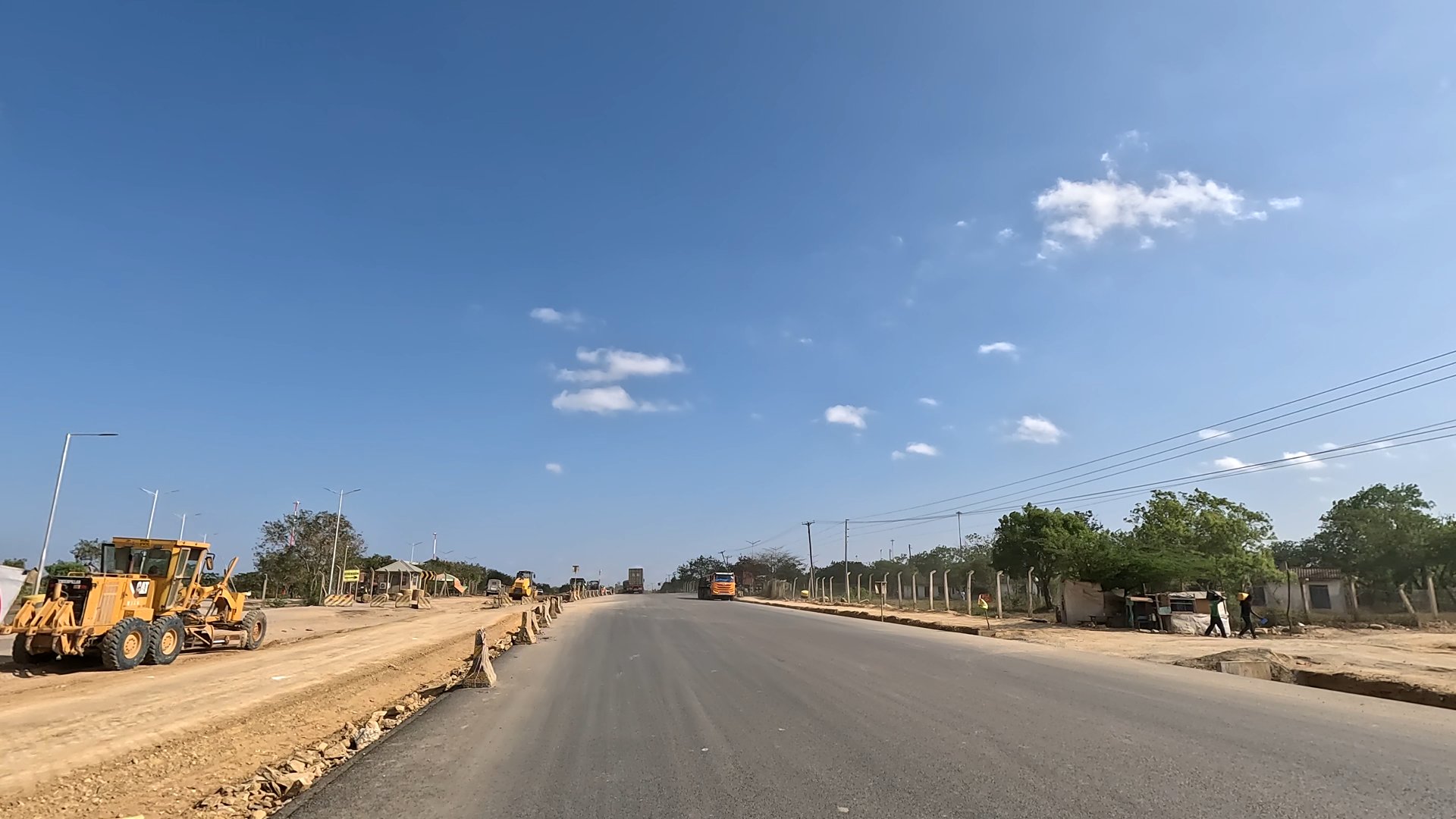
Lapsset includes key pieces like the 20-kilometer access road from Hindi Junction to Kililana, which leads to the Lamu Port site. This road is part of a larger effort to build an integrated corridor that runs from the Indian Ocean deep into Eastern Africa. If carried through, it could spark new economic zones along the way, including special areas for industry and clusters where businesses set up shop. The corridor would provide an alternative path for trade, reducing risks from overcrowding at a single port and spreading out the flow of goods.
Beyond raw materials or basic shipments, the focus is on higher-value items: finished products from factories, processed agricultural goods, fertilizers for farms, construction supplies, fabrics, and even services tied to technology. Kenya's role in broader trade blocs plays into this. Within the East African Community and the Common Market for Eastern and Southern Africa, smoother transport helps compete. On a larger scale, the African Continental Free Trade Area opens doors, but only for countries that can deliver reliably across borders without excessive delays or fees.
To pull this off with Lapsset or similar projects, the work goes beyond laying tracks or paving highways. It requires logistics centers that tie everything together-inland depots where containers switch from ships to trains or trucks, dry ports for storage away from the coast, warehousing facilities, and parks designed for distribution. Industrial zones need direct links for the final stretch, and cold storage chains are essential for perishable exports or to secure food supplies. Without these, the full advantages stay out of reach.
Challenges persist on the operational side, often called soft infrastructure. Borders can slow things down with varying rules, endless paperwork, and inspections that add no value. Agencies sometimes work in silos, and security issues threaten cargo safety. Addressing these means turning to digital tools: platforms that handle documents in one go, standardized processes across corridors, and better coordination to cut friction. These steps, while not as visible as a new bridge or rail line, draw in more trade and encourage related businesses to grow.
Investment is another piece. Projects need to appeal to funders by including features like electrified rails where they make sense, ports that use energy efficiently and clear plans to lower carbon outputs. Community involvement and public-private partnerships help, offering structures that let investors assess risks accurately. Kenya has pushed forward with rail upgrades in recent years, including the Standard Gauge Railway that runs from Mombasa to Nairobi and beyond to Naivasha, handling freight that once clogged roads. This line, completed in phases since 2017, shows how rail can shift heavy loads away from trucks, though extensions and integrations remain ongoing.
Globally, countries like those in Europe or Asia have long relied on such networks. For instance, the Netherlands links Rotterdam's port with extensive rail and barge systems to serve central Europe, keeping logistics costs low. Kenya could follow a similar path, not by matching scale but by focusing on smart connections that fit regional needs. The goal is to position the country as Eastern Africa's go-to spot for logistics and industry, lowering overall business expenses and tightening ties with neighbors.
In practice, this means prioritizing projects that support seamless movement from dockside berths to inland factories and onward to borders. With trade volumes rising under continental agreements, the timing matters. Kenya's efforts, if coordinated, could handle increased demand without bottlenecks. The access road to Lamu, for example, represents early construction work that's already visible, paving the way for berths that could accommodate larger vessels.
Rail components in Lapsset envision lines extending north, potentially linking to Ethiopian networks. Roads would fill gaps, ensuring trucks can pick up where trains leave off. Air links from Nairobi complement this for urgent or lightweight cargo. Together, these elements form a system that's more than the sum of its parts, capable of supporting diverse sectors from manufacturing to agriculture.
Still, success depends on steady implementation. Past infrastructure pushes in Kenya have faced delays from funding shortfalls or coordination issues, but recent completions like parts of the SGR offer lessons. By building on these, and addressing the softer barriers, Kenya stands to gain a stronger foothold in regional trade. The outcome could mean more jobs in logistics, better access to markets for producers, and lower prices for consumers across the board. As trade barriers fall under AfCFTA, countries with efficient corridors will lead, and Kenya's geography gives it a natural edge if the connections hold firm.
Comments (0)
Leave a Comment
No comments yet. Be the first to share your thoughts!