
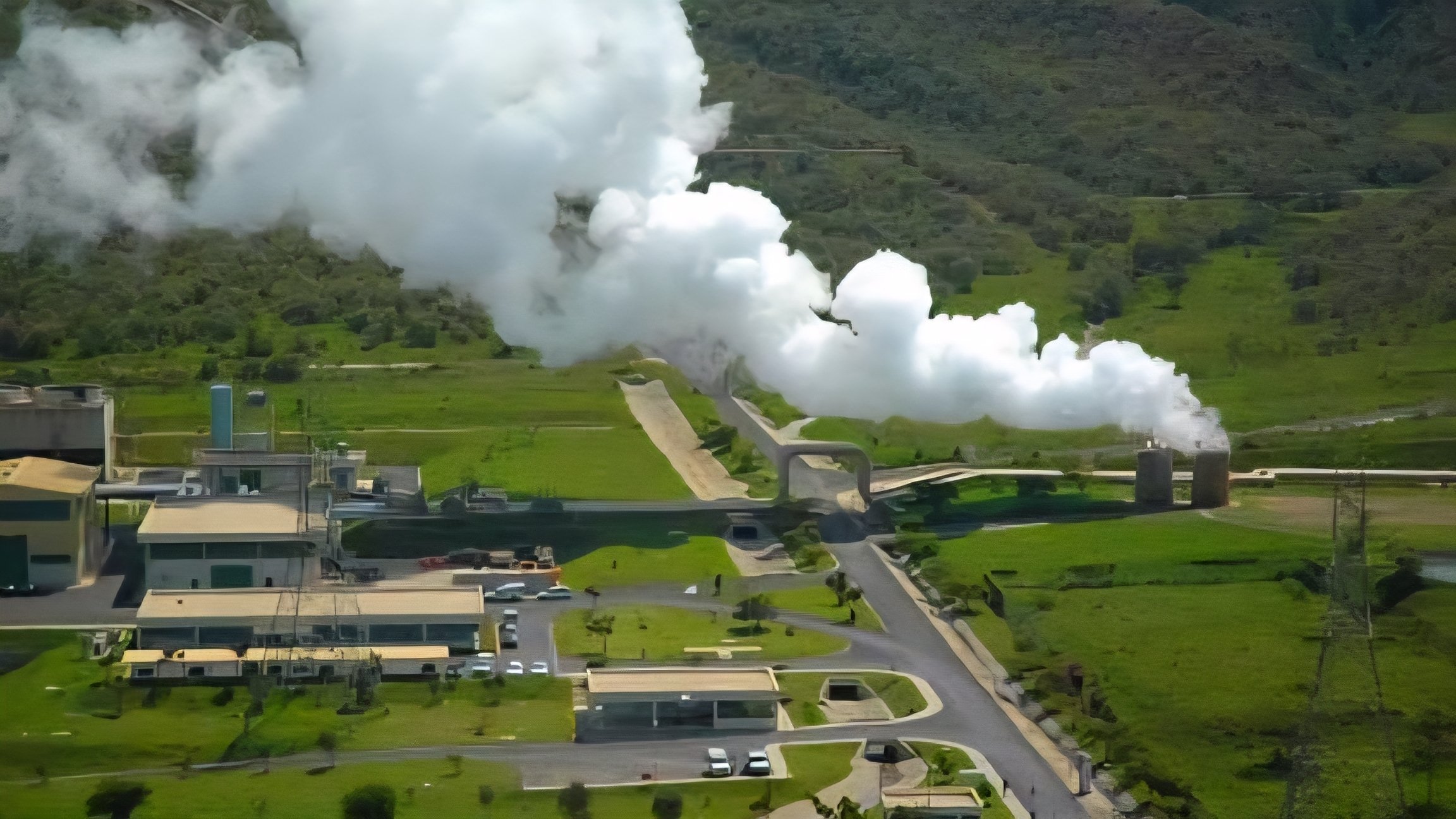

The global shift toward renewable energy has placed a spotlight on the Rift Valley as Kenya continues to expand its geothermal footprint. Current data ranks Kenya as the seventh largest producer of geothermal energy in the world and the leader on the African continent. This position is the result of decades of targeted investment in steam field infrastructure and power plant construction, primarily centered around the Olkaria complex. Unlike solar and wind, which are intermittent sources, the geothermal wells at Olkaria provide a consistent base-load supply that currently accounts for nearly half of the electricity generated in the country.
The technical execution of these projects involves complex drilling operations and the installation of extensive steam gathering systems. These systems transport high-pressure steam from deep underground to turbines that generate electricity. This infrastructure serves as a stabilizing force for the national grid, reducing the reliance on expensive thermal power plants that burn imported fossil fuels. For a developing economy, the transition to geothermal is not just an environmental choice but a fiscal strategy to insulate the energy sector from volatile global oil prices.
A critical component of the Kenyan model is the integration of public and private sector participation. The Geothermal Development Company handles much of the early-stage risk, including exploration and resource assessment, while KenGen manages large-scale generation. This institutional framework has allowed for the systematic expansion of capacity. International observers have noted that this structured approach mitigates the high upfront costs and technical risks typically associated with deep-crust drilling, making the sector more attractive to long-term financiers.
Beyond the domestic impact, Kenya has begun exporting its technical expertise to neighboring countries. Kenyan engineers and geologists are currently involved in exploration and drilling projects in Ethiopia and Djibouti. This regional cooperation suggests that the infrastructure developed in the Rift Valley is becoming a standard for the East African Power Pool. The ability to share specialized equipment and data-driven insights from the Olkaria fields is accelerating the development of similar resources across the border.
However, the expansion of geothermal infrastructure is not without its challenges. The capital-intensive nature of drilling requires sustained funding and clear regulatory pathways. Each new well can cost millions of dollars, and success is never guaranteed until the steam discharge is tested for pressure and temperature. To maintain its trajectory, Kenya must continue to refine its procurement processes and ensure that the infrastructure remains resilient against local environmental factors.
The broader lesson for the global community lies in how Kenya has successfully decoupled its economic growth from carbon emissions. By prioritizing geothermal energy, the government has created a blueprint for other nations with volcanic potential. The focus is shifting toward direct-use applications of geothermal heat, such as industrial heating and greenhouse farming, which could further diversify the economic benefits of the steam fields. As the world looks for ways to achieve net-zero targets, the Kenyan experience provides evidence that a transition to clean energy is possible when supported by robust infrastructure and long-term political will.
Comments (0)
Leave a Comment
No comments yet. Be the first to share your thoughts!