
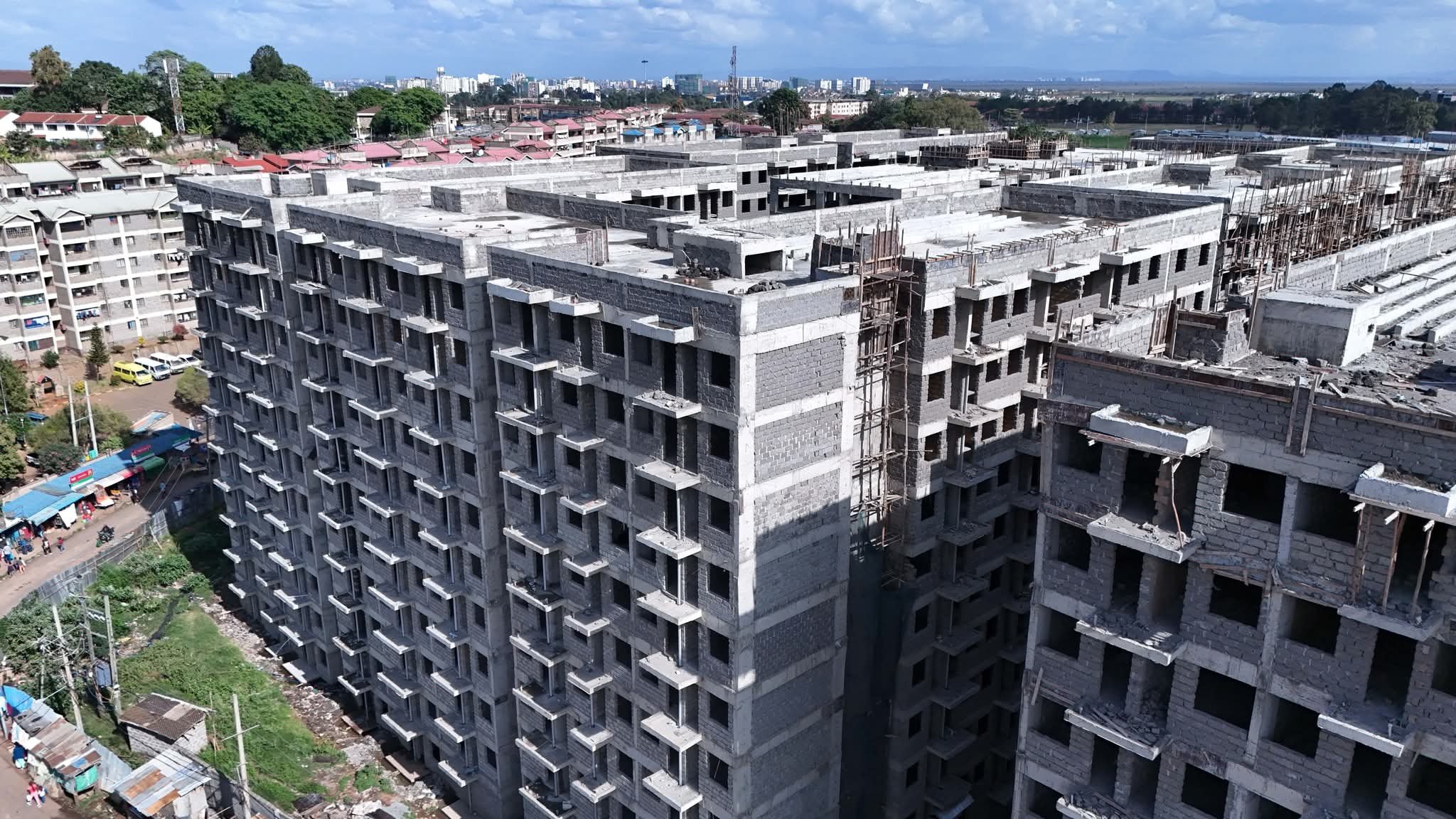

Construction work is currently underway in Kibera Soweto Zone B as part of a multi-phase redevelopment of one of Nairobi’s largest informal settlements. The initial stage of the project involves the assembly of 18 high-rise residential blocks. These structures are designed to house 4,054 individual units, representing the first major density increase in the area under the current Bottom-Up Economic Transformation Agenda.

The Ministry of Lands, Public Works, Housing and Urban Development intends for this project to eventually scale to more than 25,000 housing units. This expansion depends on the progression into subsequent zones of the settlement. Planning for Zones C and D is already in motion, with officials indicating that work in these sections will likely begin next year once the ongoing compensation process for current residents is finalized.

Beyond the residential blocks, the master plan for the site includes the integration of essential social and physical infrastructure. The project specifications detail the inclusion of health clinics, early childhood development centers, and community halls. Commercial and retail spaces are also being built into the estate layout to support local economic activity within the new development.

Engineers on the project are installing dedicated systems for water and electricity alongside modern waste management facilities. The site work includes the construction of new sewer lines and stormwater drainage systems to address long-standing sanitation challenges in the area. This infrastructure serves as the foundation for converting the settlement into a formal residential estate integrated with the rest of the city.
Comments (0)
Leave a Comment
No comments yet. Be the first to share your thoughts!