
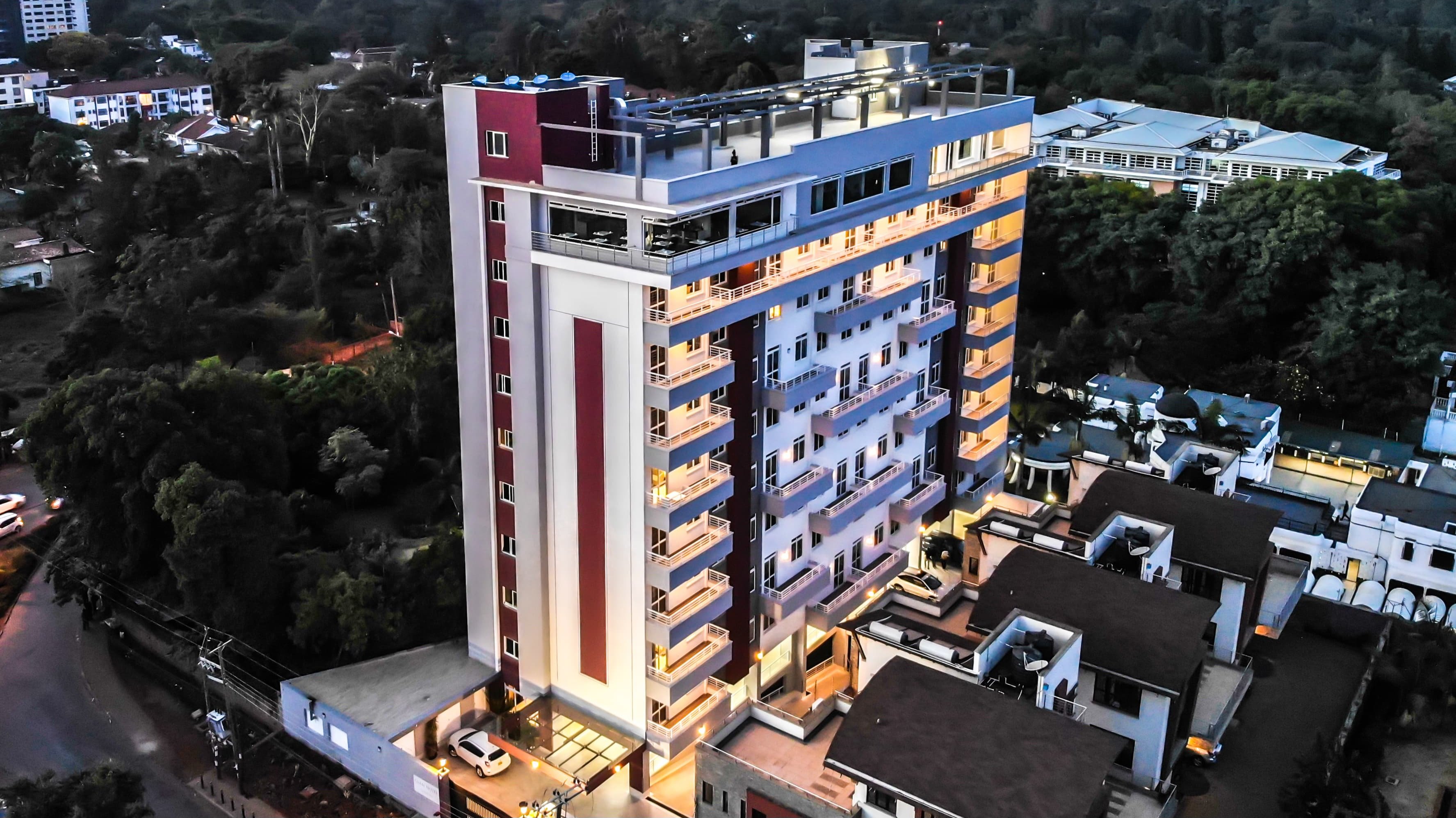

The High Court in Nairobi has intervened to stop the planned auction of a multi-million shilling luxury hotel located in the Westlands area. This legal pause comes after Mary Wambui Mungai, through her firm Purma Holdings, filed an application to block a prominent commercial bank from seizing the property. The dispute centers on an outstanding debt claim that has now reached Sh8.4 billion, a figure the developer is actively contesting in the legal system.

The property at the heart of the dispute is a high-end hospitality development that sits on a prime parcel of land in one of the city's most lucrative commercial zones. Court records indicate that the hotel was valued at approximately Sh1.2 billion during its development phases. The lender moved to recover its funds by appointing auctioneers to dispose of the asset, citing a failure to service the credit facilities provided for the project.
In the court filings, Wambui argued that the auction process was being pursued prematurely and that the actual amount owed remains a point of contention. The developer claims that the bank has not provided a clear accounting of the interest rates and penalties that led to the debt ballooning to over Sh8 billion. The stay order issued by the court prevents any transfer or sale of the hotel until the underlying issues regarding the loan accounts are fully ventilated.
This development highlights the ongoing volatility within the Kenyan hospitality and real estate sectors, where several high-profile projects have faced similar auction threats due to mounting debt. The construction of luxury hotels in Nairobi saw a significant surge over the last decade, but many developers have struggled with high financing costs and a competitive market environment. The Westlands property is viewed as a strategic asset, given its proximity to major corporate headquarters and diplomatic missions.
Legal representatives for Purma Holdings told the court that the auction would cause irreparable damage to the business, which has invested heavily in the structural integrity and interior fit-out of the facility. They further contended that the valuation used by the bank for the proposed sale did not reflect the current market value of the finished construction. The bank, on its part, maintained that it had followed all statutory procedures and that the default had persisted for a duration that necessitated the recovery of the principal and accrued interest.
The case also draws attention to the broader financial exposures of major construction firms and investment vehicles in the country. Many lenders have become more aggressive in their recovery efforts as they look to clean up their balance sheets. The outcome of this specific case will be closely watched by the local construction industry and the banking sector, as it touches on the rights of developers to challenge interest calculations and the transparency of the auction process for large-scale commercial real estate.
Further hearings are expected to determine whether the Sh8.4 billion demand is legally enforceable or if a restructuring of the debt is a viable alternative to the hammer. For now, the hotel remains under the management of the developer, though its future remains tied to the resolution of this heavy financial liability.
Comments (0)
Leave a Comment
No comments yet. Be the first to share your thoughts!