
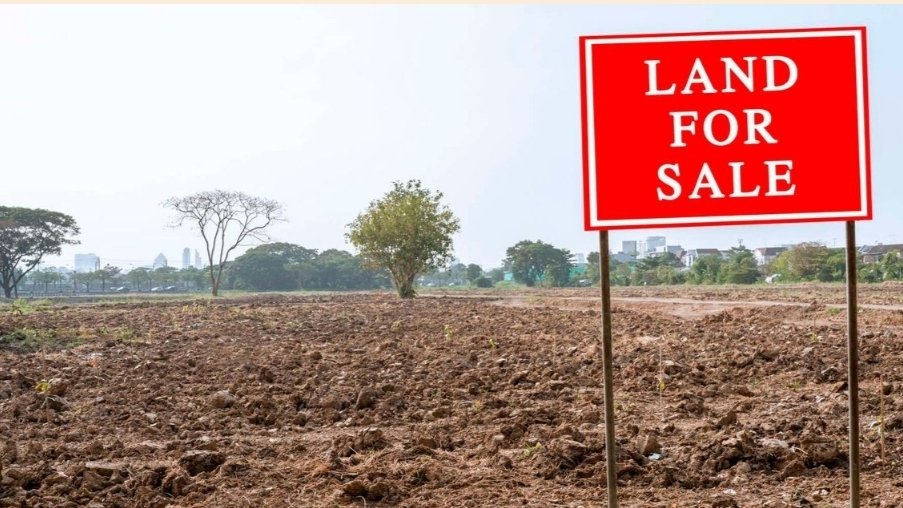

The High Court in Nairobi has ruled that Equity Bank can proceed with the auction of 65 charged properties linked to a Sh1.37 billion loan. The decision affects four companies, one of them a government contractor.
Njuca Consolidated Company, Wakuga Holdings, Cochem Services and Paric Hardware Products obtained the facility from Equity Bank in August 2021. It was structured for repayment over 164 months.
The bank initiated auction proceedings after the firms defaulted. It reported arrears of Sh101 million and a total outstanding balance of Sh1.6 billion. The borrowers moved to court in August 2024 to block the sale.
The companies argued that excessive interest and penalties had inflated the debt. They claimed to have paid more than Sh204.9 million already. Financial consultants hired by the firms alleged unlawful charges that breached banking rules.
Directors also pointed to unpaid debts from government agencies. These delays, they said, had strained cash flow and made regular repayments difficult. One director, Muthoni Njoroge, filed an affidavit expressing willingness to restructure the loan.
Equity Bank opposed the injunction. It maintained that all statutory notices were properly served via registered post and email. The lender stressed that disputes over calculations do not halt its right to realise securities.
Court documents show the bank valued the properties at around Sh1 billion against a debt approaching Sh2 billion. The companies countered that the portfolio was worth more than Sh5 billion and had been undervalued.
The properties include at least 65 parcels. Two are located in Mombasa’s Mainland North area. The rest are in Nairobi.
Justice delivered the ruling after reviewing competing valuation reports. The court held that differences in valuations alone do not justify stopping the sale without evidence of fraud or bad faith.
The judge noted the firms had acknowledged the debt but contested its size. Such disagreements do not invalidate statutory notices or defeat the bank’s power of sale. Earlier conditional relief had required a Sh30 million deposit, which was not met.
This case highlights persistent challenges in Kenya’s construction sector. Contractors frequently cite delayed government payments as a trigger for financial distress. Many rely on bank facilities secured against land and buildings to bridge cash flow gaps.
The ruling reinforces established legal principles. Banks can move to recover loans through charged assets even when borrowers raise computation disputes. Any proven losses can be addressed later through damages at full trial.
For the affected firms, the decision removes a major legal barrier. It allows Equity Bank to advertise and sell the portfolio unless a further stay is secured. The outcome will be watched closely by other players in construction and related supply chains.
Construction businesses operate with thin margins and long payment cycles. Access to credit remains critical for bidding on public projects and maintaining equipment and payroll. When loans sour, the fallout can ripple through subcontractors and suppliers.
Industry observers note that asset auctions often lead to forced sales at discounted prices. This can depress local property values in affected areas. It also forces companies to restructure operations or seek new capital.
Equity Bank has not commented publicly on the next steps. The borrowers still have options to negotiate or pursue the main suit. But for now, the court has sided with the lender’s recovery process.
The matter underscores broader tensions between banks and corporate borrowers in Kenya. Lenders insist on strict adherence to terms while businesses point to external economic pressures beyond their control.
Comments (0)
Leave a Comment
No comments yet. Be the first to share your thoughts!