
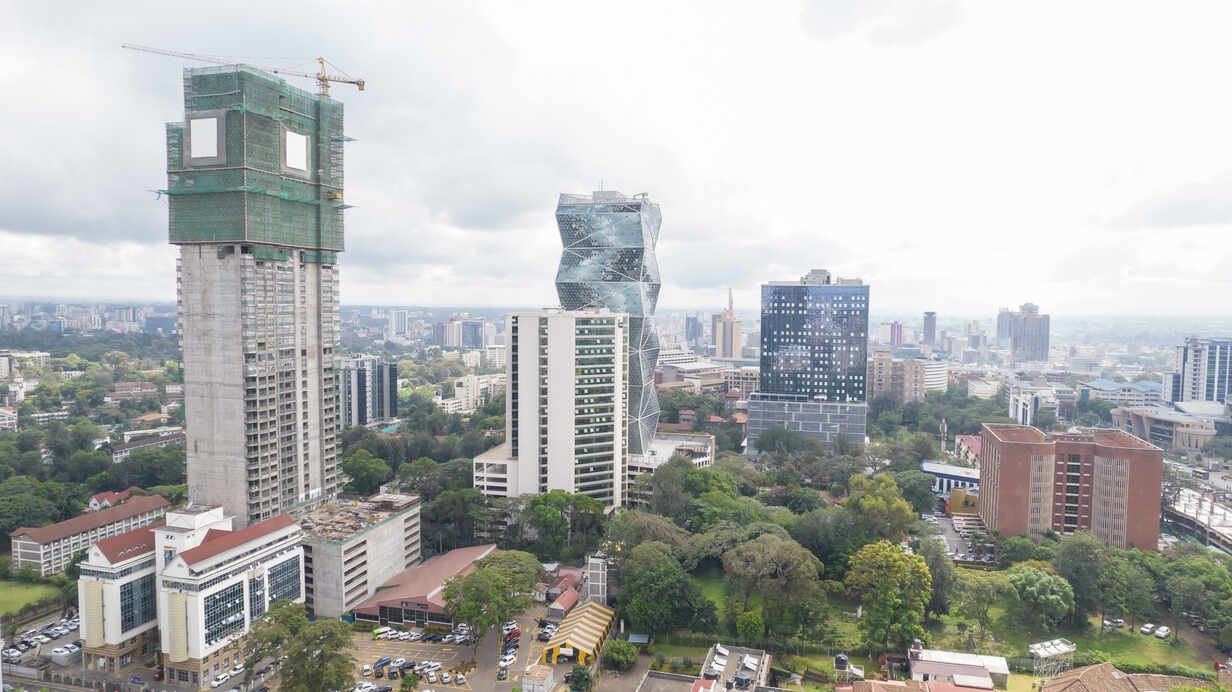

The rapid transformation of Westlands into a high-density vertical hub is pushing the neighborhood toward a functional breaking point. Long considered Nairobi’s secondary Central Business District, the area is currently defined by a skyline of cranes and multi-storey skeletons. However, this construction surge is increasingly at odds with the physical capacity of the ground beneath it.
Urban planners and residents now warn that the pace of private investment has significantly decoupled from public utility provision. The existing water and sewerage systems, many of which date back decades, were never engineered to support the thousands of new residential units and office suites currently coming online. Frequent pipe bursts and chronic water shortages have become common indicators of a network under duress.
The shift from single-family dwellings to 24-storey towers has fundamentally altered the area’s demographic density. This transition has occurred in a regulatory vacuum created after previous zoning guidelines became obsolete. Without a clear and enforceable spatial plan, developers have maximized plot ratios, often at the expense of setbacks, natural light, and green cover.
Transportation remains a critical bottleneck. While the Nairobi Expressway provides a bypass for transit traffic, the internal road network of Westlands remains narrow and congested. Peak-hour gridlock on feeder roads like Peponi and Rhapta Road suggests that the current transport infrastructure is ill-equipped for the projected vehicle volume of a fully occupied vertical Westlands.
Legal challenges from resident associations are becoming more frequent as neighbors push back against what they term "uncontrolled construction." Recent court rulings have emphasized the need for City Hall to gazette new zoning regulations that balance development rights with environmental protection. These associations argue that without immediate intervention, the very amenities that made Westlands attractive are being eroded.
Safety concerns have also surfaced following inspections by the National Construction Authority. Several high-rise projects have faced suspension due to structural integrity worries or failure to comply with safety audits. These incidents highlight the pressure on regulatory bodies to keep pace with the sheer volume of active sites across the suburb.
For the real estate sector, the crossroads is financial as much as it is physical. If the infrastructure deficit is not addressed, the long-term value of these premium developments could be compromised. Investors are beginning to weigh the prestige of a Westlands address against the operational risks of failing utilities and permanent traffic congestion.
Nairobi City County has acknowledged the strain, signaling a move toward a comprehensive planning framework. The goal is to align new building permits with actual infrastructure capacity. Success will depend on whether the county can fast-track the upgrading of sewers and roads before the current wave of high-rises reaches full occupancy.
Comments (0)
Leave a Comment
No comments yet. Be the first to share your thoughts!