
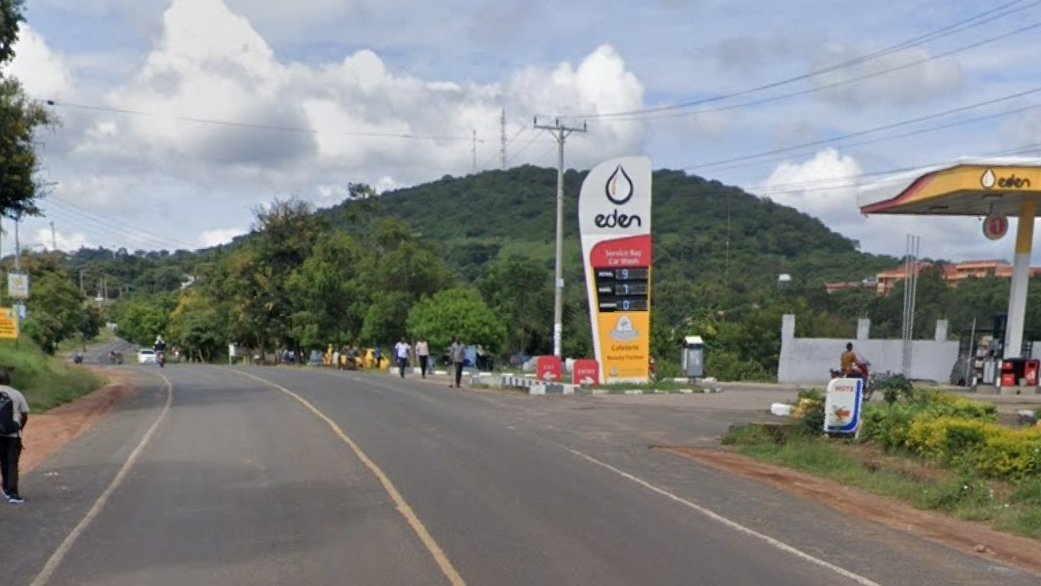

Heavy truck traffic on Mombasa Road is pushing some motorists to explore an inland alternative through Kyumbi, Vota, Katumani, Wote, and Makindu, with drivers weighing the longer distance against the possibility of a smoother journey. Recent experiences shared by motorists including contractor and commentator Boss Yator have drawn attention to the route as an alternative to the busy A8.
The main A8 highway connecting Nairobi to Mombasa remains Kenya's primary freight artery. Heavy transit trucks carrying cargo from the Port of Mombasa dominate the corridor, resulting in persistent bumper-to-bumper traffic and extended travel times for long-distance commuters.
Safety concerns along Mombasa Road continue to prompt drivers to explore secondary links. Frequent high-speed overtaking maneuvers by cargo trucks, combined with limited climbing lanes on hilly stretches, create hazardous driving conditions for light passenger vehicles traversing the highway.
To bypass congested highway bottlenecks, some motorists branch off the main road network at Kyumbi. The alternative circuit routes vehicles through Vota, Katumani, Wote, and Makindu before connecting back to the main Mombasa highway.
Mapping data indicates the detour through Machakos and Makueni counties covers roughly 140 kilometers between junction points. This routing allows drivers to skip busy highway towns such as Sultan Hamud and Salama along the primary freight corridor.
Classified under the regional road network managed by national highway authorities, the connecting stretch between Katumani and Makindu is fully paved. The route offers lower commercial truck volumes and scenic rural terrain for private motorists.
Navigating through Wote adds roughly 25 kilometers to the overall driving distance compared to remaining on the A8 trunk road. Despite the added mileage, drivers report manageable travel times when the main highway experiences severe freight gridlock.
Road surface quality along the detour remains a subject of ongoing debate among commuters. Traveler feedback points to localized surface wear and potholes, particularly on the section between Katumani and Vota.
The conversation on X highlighted even broader regional detours to Mombasa, with motorist Peterson describing the Embu to Mombasa drive via Kiritiri, Kanyonyo, Kitui, and Kibwezi as a classic choice. Motorists noted that this 321-kilometer stretch allows commuters traveling from Embu to reach Mombasa while completely avoiding Nairobi, offering smooth pavement, minimal traffic, and few speed bumps.
Other drivers cited additional connections to Mombasa, including the Thika-Matuu-Kitui-Kibwezi route or using Garissa Road to branch off toward Kitui or Malindi via Madogo and Hola, avoiding chaotic conditions along the main highway.
Maintenance oversight along these regional links relies on performance-based road contracts. Periodic resurfacing and repair work aim to fix asphalt defects caused by heavy seasonal rains and local agricultural traffic across regional corridors.
The inland loop provides relief for light vehicles seeking to avoid long lines of freight trucks. Reduced heavy-vehicle density lowers the risk of high-speed tailgating, though drivers must navigate lower speed limits near populated market centers.
Transport experts view secondary regional networks as crucial relief valves during peak holiday traffic or major highway maintenance. Long-term infrastructure priorities still focus on dualing the primary Mombasa corridor to permanently ease transit delays.
Choosing between the direct highway and inland bypasses comes down to balancing travel distance against traffic frustration. Both routes play vital roles in supporting passenger and freight mobility across southern Kenya.
Comments (0)
Leave a Comment
No comments yet. Be the first to share your thoughts!