
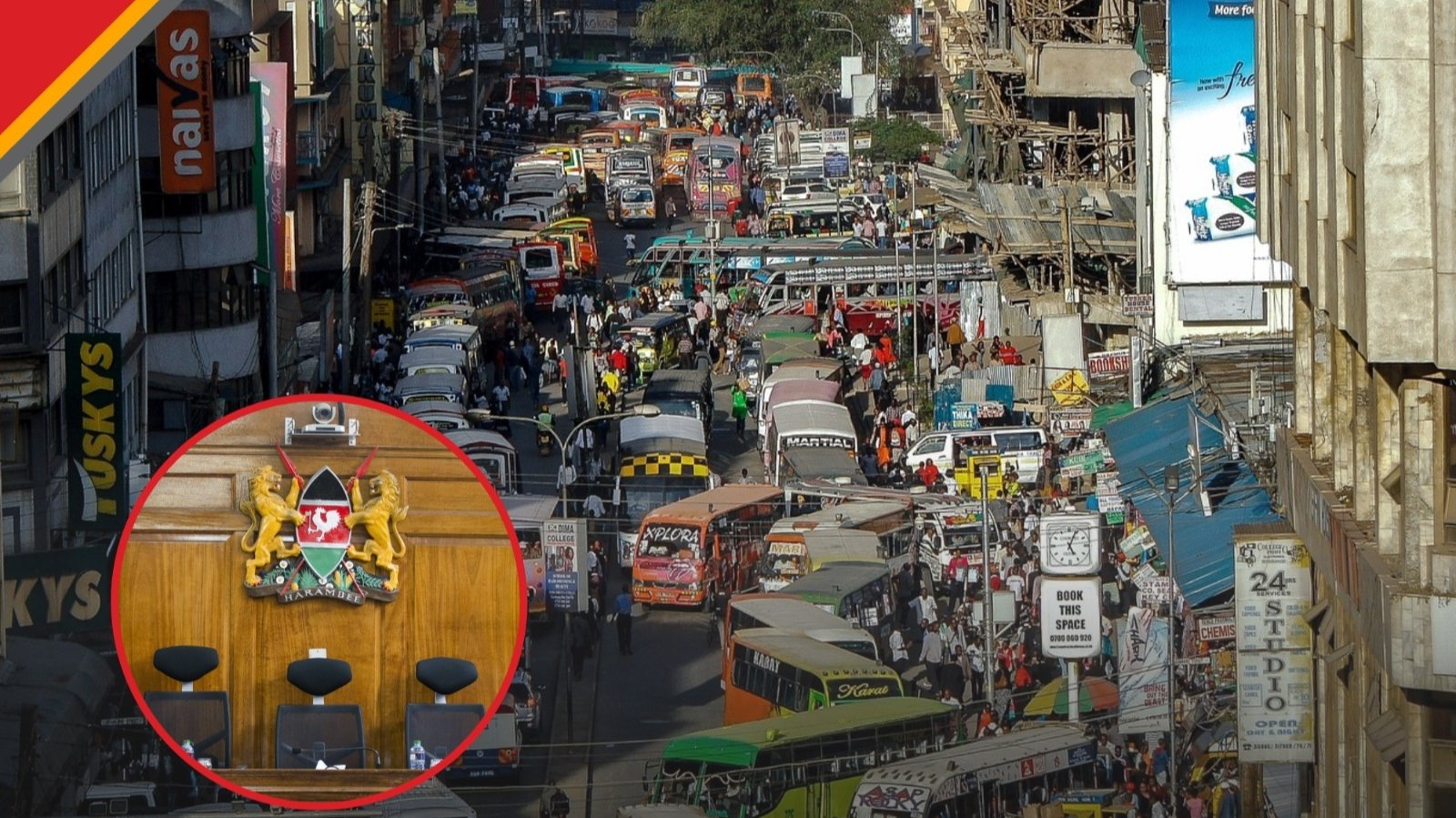

The Kiambu High Court has suspended the National Transport and Safety Authority's mandatory annual inspection requirement for privately owned non-commercial vehicles. Justice Francis Nyungu Kyambia issued the conservatory orders on Tuesday after a petition challenged the new rules.
The orders specifically target several provisions in the Traffic (Motor Vehicle Inspection) Rules, 2026. These include Rules 3(1), 12(2), 16(4), 30(1)(d) and the First Schedule under Legal Notice No. 13 of 2026 as they apply to private cars.
NTSA had announced plans to fully enforce the roadworthiness policy by June 2027. The authority cited the need to partner with the private sector to increase inspection centres from the current 17 to 70 across the country.
The court action freezes enforcement against ordinary motorists. Rule 3(1) had required annual tests for various vehicle categories including public service vehicles and commercial ones. The suspension limits its effect on private owners.
Rule 12(2) dealt with procedures for vehicles that fail inspections. It set timelines for defect rectification and re-testing. Those measures are now on hold for non-commercial private vehicles.
Rule 16(4) covered penalties such as impoundment for cars without valid inspection certificates. The court suspended its application to the affected category. Rule 30(1)(d) required mandatory fitment of telematic systems while the First Schedule listed tiered fees for different vehicle classes.
The petition came amid concerns over the practicality of the requirements for millions of private car owners. Only NTSA-operated centres currently handle inspections. The expansion plan aims to ease pressure once private players join.
Road safety remains a major issue in Kenya. NTSA has pushed for stricter vehicle standards to reduce accidents caused by poorly maintained cars. The suspension provides breathing room while infrastructure catches up.
Private vehicle owners had worried about long queues and high costs at the limited centres. Many use their cars for daily commuting rather than commercial purposes. The ruling spares them immediate compliance pressure.
NTSA will continue enforcing rules for public service vehicles, commercial trucks, driving school cars and government fleets. Those categories face ongoing annual inspection obligations under the rules.
The decision marks another court intervention in transport regulations. Similar cases have previously addressed issues like speed limits, digital tracking and licensing fees. Motorists often challenge policies that impose sudden financial burdens.
With only 17 centres operational, full nationwide enforcement would have strained the system. NTSA's partnership push seeks to address capacity gaps before the 2027 deadline. Private sector involvement could speed up rollout if approved.
The conservatory orders are temporary. They remain in place until the main petition is heard and determined. Both sides will likely present full arguments in subsequent hearings.
This development affects millions of Kenyan households that rely on personal vehicles. Many owners had prepared for the new requirements following NTSA's public notices. The suspension delays those preparations.
Observers expect NTSA to accelerate plans for additional centres. The authority has previously conducted multi-agency operations to enforce roadworthiness on highways and in urban areas.
Justice Kyambia's orders came swiftly after the petition filing. They balance public safety goals with practical challenges faced by ordinary motorists. Further details may emerge as the case progresses through the judicial process.
Comments (0)
Leave a Comment
No comments yet. Be the first to share your thoughts!