
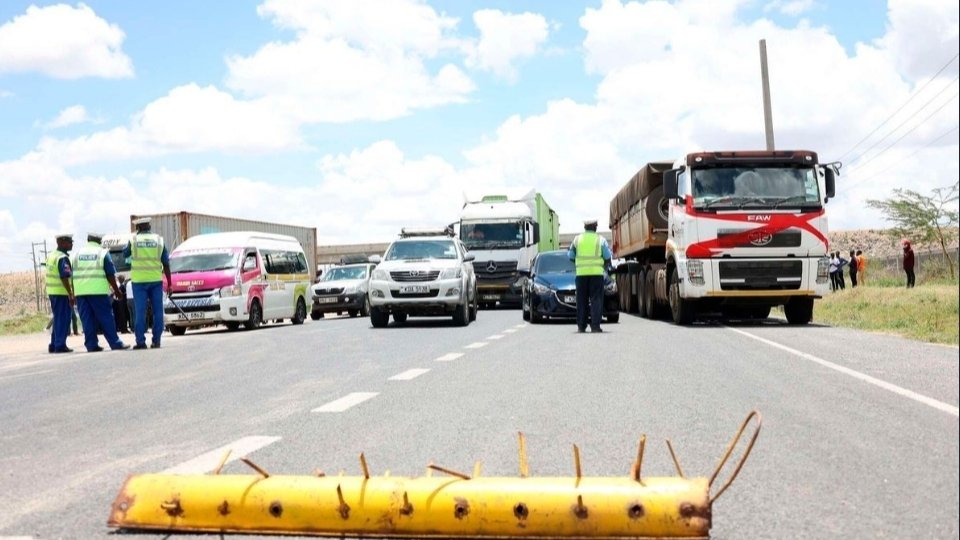

The National Transport and Safety Authority is facing sharp public scrutiny over its regulatory approach. The latest controversy around mandatory annual inspections for private vehicles has raised deeper questions about the agency’s capacity and the safety of digital platforms like eCitizen.
NTSA Director General Nashon Kondiwa has defended the regulations, arguing that private vehicles and motorcycles account for 62 percent of accidents in the country. He described the inspection exercise as a matter of national security aimed at improving record integrity.
The new regulations provided for mandatory annual inspections of private vehicles older than four years. The plan drew widespread uproar, leading to suspension of enforcement until early next year.
Although the authority and courts have since suspended the new inspection directives, NTSA continues to face intense criticism. The agency currently operates only 17 government-owned inspection centres nationwide and plans to expand this number substantially by next year.
Critics including the Motorists Association of Kenya have questioned NTSA’s capacity and preparedness. Revelations that the regulations were approved by the National Assembly but not the Senate have further complicated matters.
Senators have threatened court action, arguing that the Senate’s role in scrutinising regulations affecting counties was bypassed. The Senate Committee on Delegated Legislation recommended annulment of several related regulations citing failures in public participation and legal requirements.
The Auditor General has flagged vulnerabilities in NTSA’s internal database systems including the Transport Integrated Management System that manages vehicle registration and ownership transfers. This has heightened public concerns about the safety of eCitizen and related government digital platforms.
While eCitizen is managed under broader government digital services, the findings on NTSA’s systems have raised questions about overall data security, potential revenue leakages and risk of breaches. There is no confirmed major breach reported, but the vulnerabilities underscore the need for stronger safeguards.
In a related development, Kondiwa stated that instant traffic fines are not paid through eCitizen to protect motorists from fraud. He suggested payments be made at KCB branches or agents so references can be verified before money changes hands.
The remarks have been widely interpreted as an admission that eCitizen is vulnerable to fraudulent activities. This has left many Kenyans questioning why the government continues to push the platform for other essential services.
NTSA has faced previous criticism over delays in issuing number plates and other services. The agency has acknowledged challenges but maintains that its initiatives are necessary for road safety and national security.
The ongoing row has set the stage for potential constitutional showdowns between the executive, legislature and the transport regulator. Motorists and stakeholders await clarity on the way forward as NTSA works to address capacity gaps, procedural concerns and digital security issues.
Comments (0)
Leave a Comment
No comments yet. Be the first to share your thoughts!