
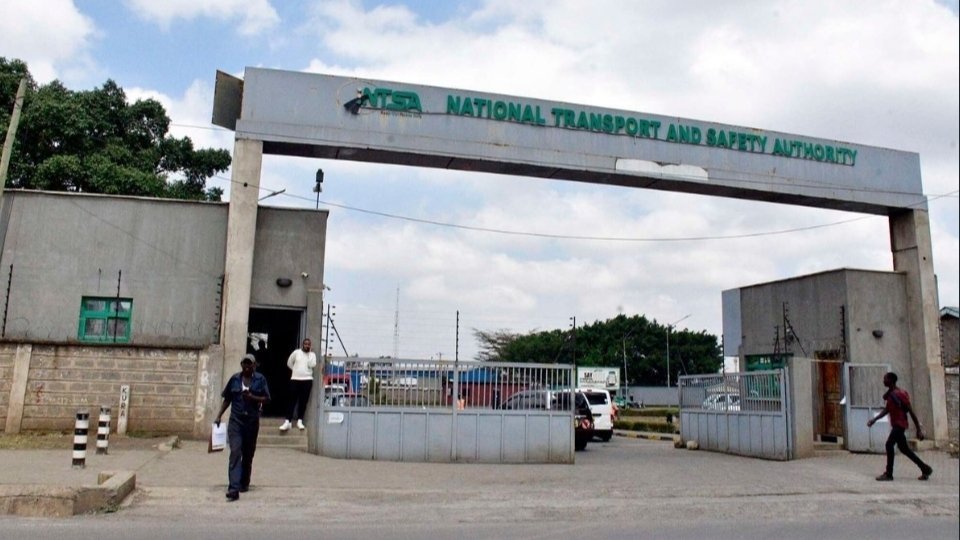

Kenya's National Transport and Safety Authority (NTSA) announced mandatory annual inspections for all private vehicles older than four years from their manufacture date, effective 1 July 2026, under the Traffic (Motor Vehicle Inspection) Rules, 2026.
Owners of vehicles below 3,000cc face a combined cost of up to KSh 2,000 in booking and inspection fees. Non-compliance carries a fine of up to KSh 20,000, imprisonment for up to six months, or both.
The rules, gazetted as Legal Notice No. 13 of 2026 in February, extend mandatory inspections to private cars for the first time. Tractors, golf carts, motorised pedal cycles and all-terrain vehicles are exempted.
The announcement drew immediate industry criticism. Motor dealer Rutune Motor World publicly questioned whether the four-year threshold runs from the date of manufacture or from first registration in Kenya, a distinction with significant consequences for imported used vehicles.
Kenya imports large volumes of used vehicles already several years old at the point of local registration. A threshold tied to manufacture date rather than first registration would bring newly imported stock under the inspection requirement almost immediately.
Industry voices also challenged the overlap with the Kenya Bureau of Standards (KEBS) Certificate of Conformity (COC), a roadworthiness certification required before any vehicle can be registered in Kenya, raising questions about the justification for a separate annual inspection on top of it.
Political opposition mounted quickly, with senior figures calling for immediate suspension and demanding NTSA produce evidence linking annual inspections to a reduction in road accidents. Others threatened to mobilise public resistance if the rules were not withdrawn.
Critics also argued the fees amount to a revival of the Motor Vehicle Tax rejected in 2024. Kenya has over six million registered vehicles, and the fee structure could yield at least KSh 12 billion annually.
Two court petitions followed. Nairobi advocate Charles Mugane filed a constitutional petition at the High Court in Milimani on 29 June, arguing the rules violated Article 10 of the Constitution having been gazetted without meaningful public participation, and that the fees are unconstitutional.
Mugane named NTSA and the Attorney General as respondents, with the Law Society of Kenya, Katiba Institute and the Kenya Human Rights Commission listed as interested parties. He is seeking conservatory orders to suspend the rules before their 1 July commencement date.
A second petition was filed by Sheria Mtaani through advocate Shadrack Wambui, similarly challenging the rules on public participation grounds and arguing there was no disclosed framework governing how the billions in projected fees would be received, managed or accounted for.
NTSA Director General Nashon Kondiwa subsequently announced that police will not be enforcing the mandatory inspection requirement against private vehicle owners during road checks, and that enforcement for private cars would only be communicated once inspection centres have been licensed and are operational.
The authority also warned that no private entity has been licensed to conduct inspections on its behalf, cautioning motorists against brokers claiming to fast-track the process.
Comments (0)
Leave a Comment
No comments yet. Be the first to share your thoughts!