

In the dynamic landscape of Kenya's construction industry, the difference between a minor incident and a catastrophic project delay often lies in the preparedness of the workforce.
A recent practical training session featured by Mjengo Hub highlights a fundamental yet frequently overlooked skill on construction sites: the proper use of fire extinguishers.
The training session delves into the critical classification of fires, a knowledge gap that often leads to dangerous mistakes during emergencies.
The facilitator distinguishes between the five primary classes of fire, labelled A through E, which range from common combustibles like wood and paper to more volatile risks such as flammable liquids and electrical equipment.
Understanding these distinctions is vital because using the wrong extinguishing agent, such as water on an electrical fire, can exacerbate the situation rather than resolve it.
The demonstration clarifies the specific applications of Carbon Dioxide (CO2) and Dry Powder extinguishers, ensuring that site personnel can make split-second decisions correctly.
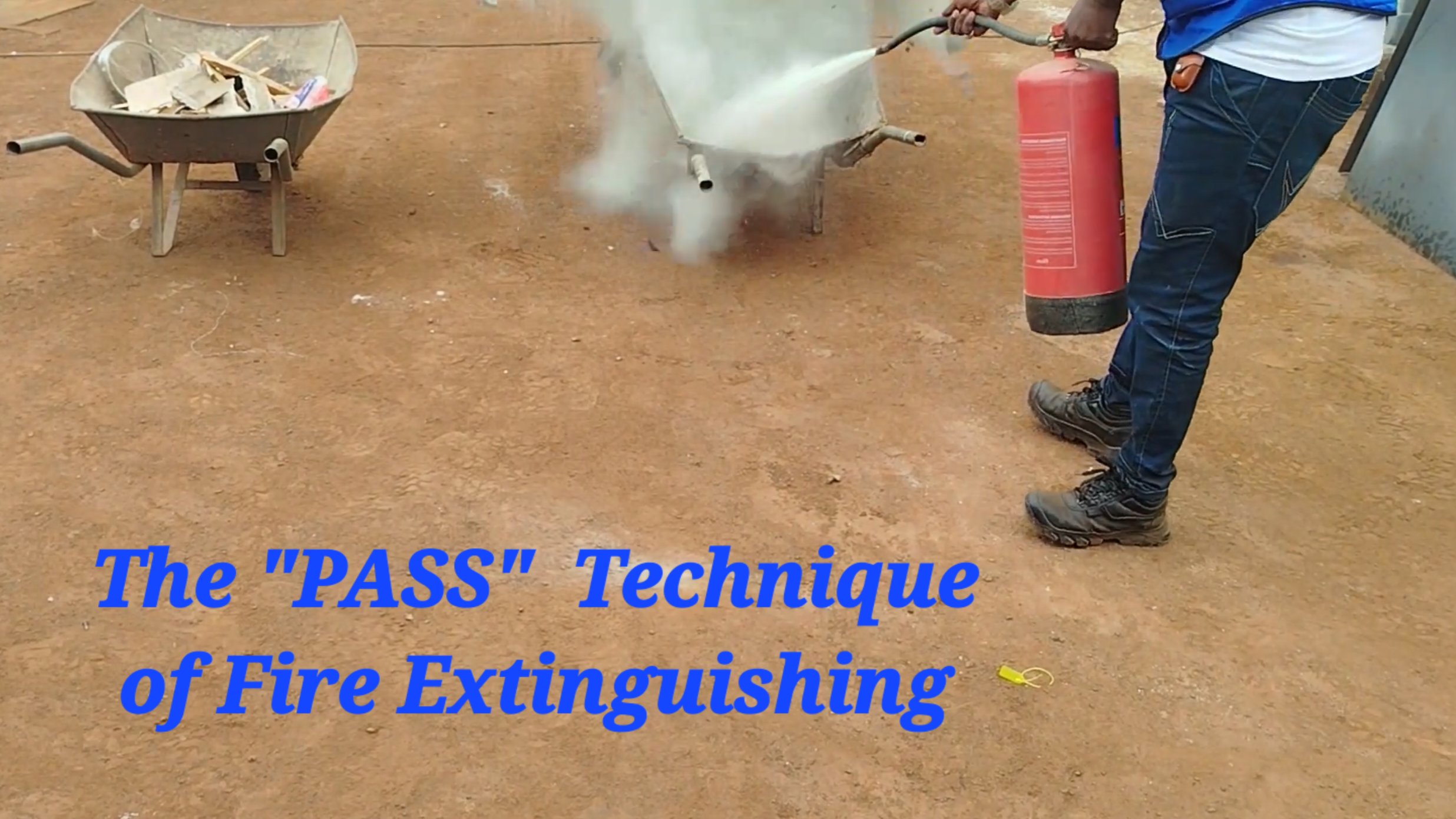
Central to the practical instruction is the "PASS" technique, a universal mnemonic designed to guide users through the high-pressure moments of a fire outbreak.
The trainer methodically breaks this down: Pull the pin to break the tamper seal, Aim low at the base of the fire where the fuel source is, Squeeze the handle to release the extinguishing agent, and Sweep the nozzle from side to side.
The systematic approach of "PASS" technique ensures that the fire is attacked effectively at its source rather than just fanning the flames.
For Kenyan contractors and site supervisors, this type of live training serves as a reminder that safety equipment is only as effective as the hands that operate it.
Regular drills that move beyond theory into physical practice are essential for creating a safety-conscious culture. By integrating these hands-on modules into daily toolbox talks, the industry can significantly reduce workplace hazards, protect valuable machinery, and, most importantly, safeguard the lives of the construction workforce.
Comments (0)
Leave a Comment
No comments yet. Be the first to share your thoughts!