

While NASA gears up for the Artemis II mission, which will send a crewed spacecraft around the moon for the first time in over fifty years, the American public remains notably lukewarm about the endeavor. Data from consistent polling indicates that the average citizen would prefer the federal government to redirect space exploration funds toward more immediate concerns.
According to a report from The New York Times, many Americans believe NASA should prioritize monitoring climate change and developing technologies to avert potential asteroid collisions. These practical applications of space science often rank higher in public preference than the high-profile, high-cost goal of landing humans on the lunar surface.
Despite the historical prestige associated with the Apollo era, the current drive to establish a long-term presence on the moon faces a different social landscape. Critics of the spending suggest that the billions of dollars required for human spaceflight could be more effectively utilized for satellite systems that track rising sea levels or shifts in global temperatures.
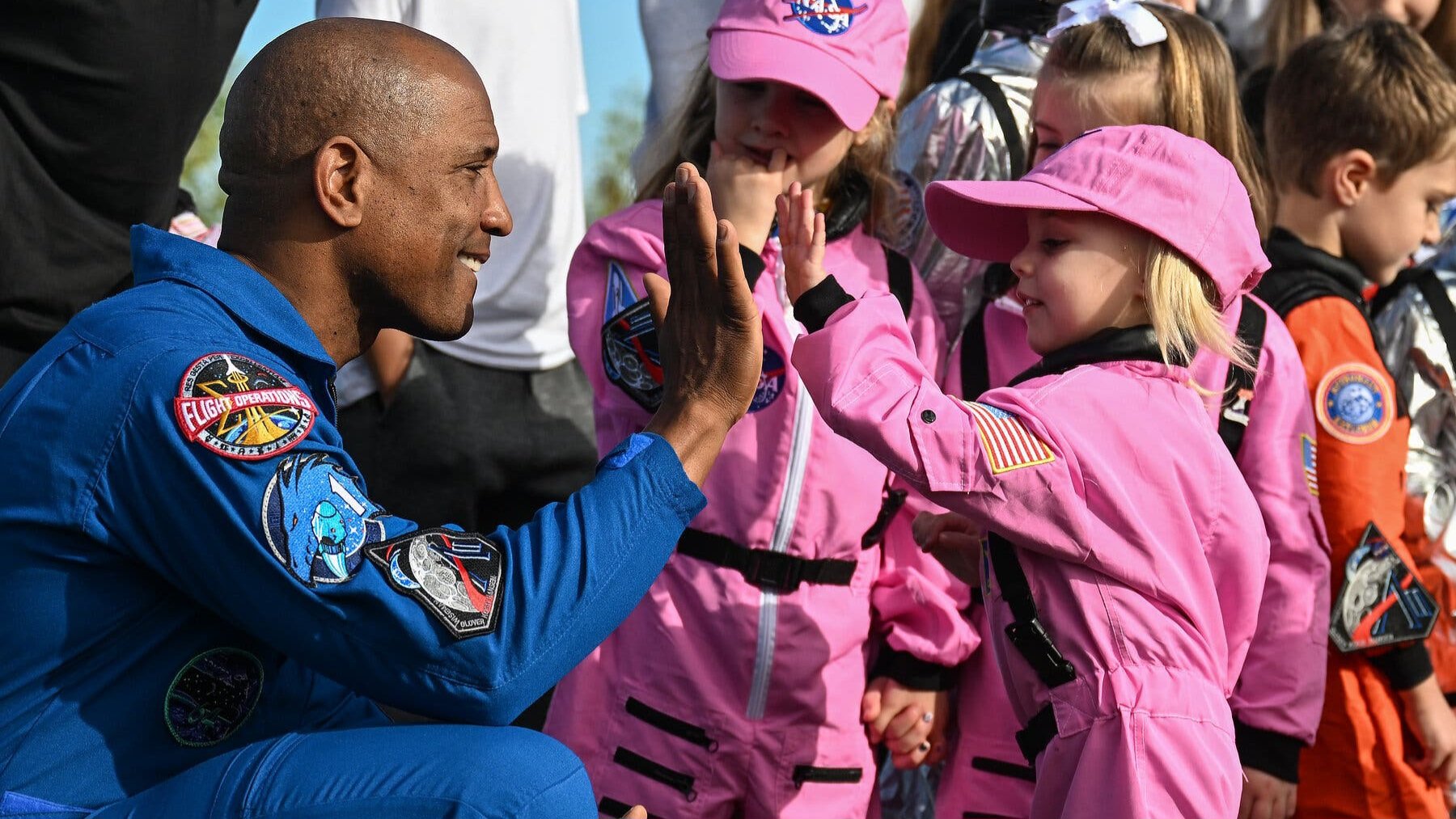
NASA’s Artemis II pilot, Victor Glover, recently engaged with young enthusiasts at the Kennedy Space Center to build excitement for the upcoming flight. While Glover and his colleagues represent the modern face of American space ambition, they are operating in an era where the utility of every tax dollar is under intense scrutiny.
The mission, which is a critical precursor to landing the first woman and the next man on the moon, serves as a test for the Space Launch System and the Orion spacecraft. However, the technical success of these systems does not automatically translate into broad political or social support.
For many, the risk and expense of sending people into deep space feel disconnected from the pressing challenges facing the planet today. Public interest in NASA as an institution remains high, yet that support often hinges on the agency's ability to provide data that protects the Earth, rather than just exploring what lies beyond it.
As the Artemis program moves forward, the agency faces the ongoing challenge of justifying the immense infrastructure and logistics costs to a public that increasingly views the moon as a secondary priority. Whether the spectacle of a successful crewed mission can shift these long-standing opinions remains to be seen.
Comments (0)
Leave a Comment
No comments yet. Be the first to share your thoughts!