
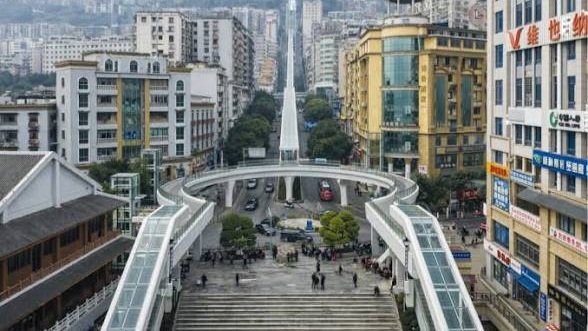

Authorities in Chongqing have officially inaugurated a 905-meter-long escalator system built directly into the side of a mountain, aiming to solve a chronic logistical nightmare for area residents. The project, which was designed to bypass arduous trekking routes, now allows commuters to traverse the steep elevation in a fraction of the time it once took.
For years, those living in the densely populated mountain districts faced a daily climb that could exceed sixty minutes. The sheer verticality of the region has long been a barrier to traditional road construction, making pedestrian movement the primary, albeit exhausting, mode of transit.
Engineers opted for a heavy-duty escalator installation as a localized solution to these geographic constraints. By integrating the system into the existing urban fabric, the project provides a direct link between lower-level commercial hubs and residential zones situated higher up the slopes.
The 905-meter span is not a single continuous belt but a series of interconnected segments that move passengers steadily up the incline. This modular approach ensures that maintenance can be performed on specific sections without shutting down the entire transit artery, which is critical for a city that relies on high-uptime infrastructure.
Chongqing is often referred to as a "mountain city," where the lack of flat land forces architects to think vertically. This latest addition to the city's transport network follows a tradition of unconventional engineering, such as the famous monorail that passes through residential apartment blocks.
While the primary goal is utility for locals, the scale of the structure is expected to draw interest from those tracking global infrastructure trends. The construction required significant geotechnical stabilization to ensure the heavy machinery remained secure against the mountain face, especially during the rainy seasons typical of the region.
Safety features integrated into the system include high-capacity drainage to prevent water accumulation on the steps and emergency stop sensors distributed along the entire length. Constant monitoring ensures that the flow of commuters remains steady even during peak morning and evening hours.
The project highlights a growing trend in urban planning where vertical mobility is treated with the same priority as horizontal rail or road networks. For the residents of this Chongqing district, the completion of the escalator means the end of a grueling daily physical toll, replaced by a modern, mechanical ascent.
Operational costs for such a massive installation are offset by the increased economic connectivity it brings to the mountain communities. By making these areas more accessible, the city expects a rise in local commerce and property stability, as the "hour-long climb" is no longer a deterrent for potential residents or businesses.
Comments (0)
Leave a Comment
No comments yet. Be the first to share your thoughts!