
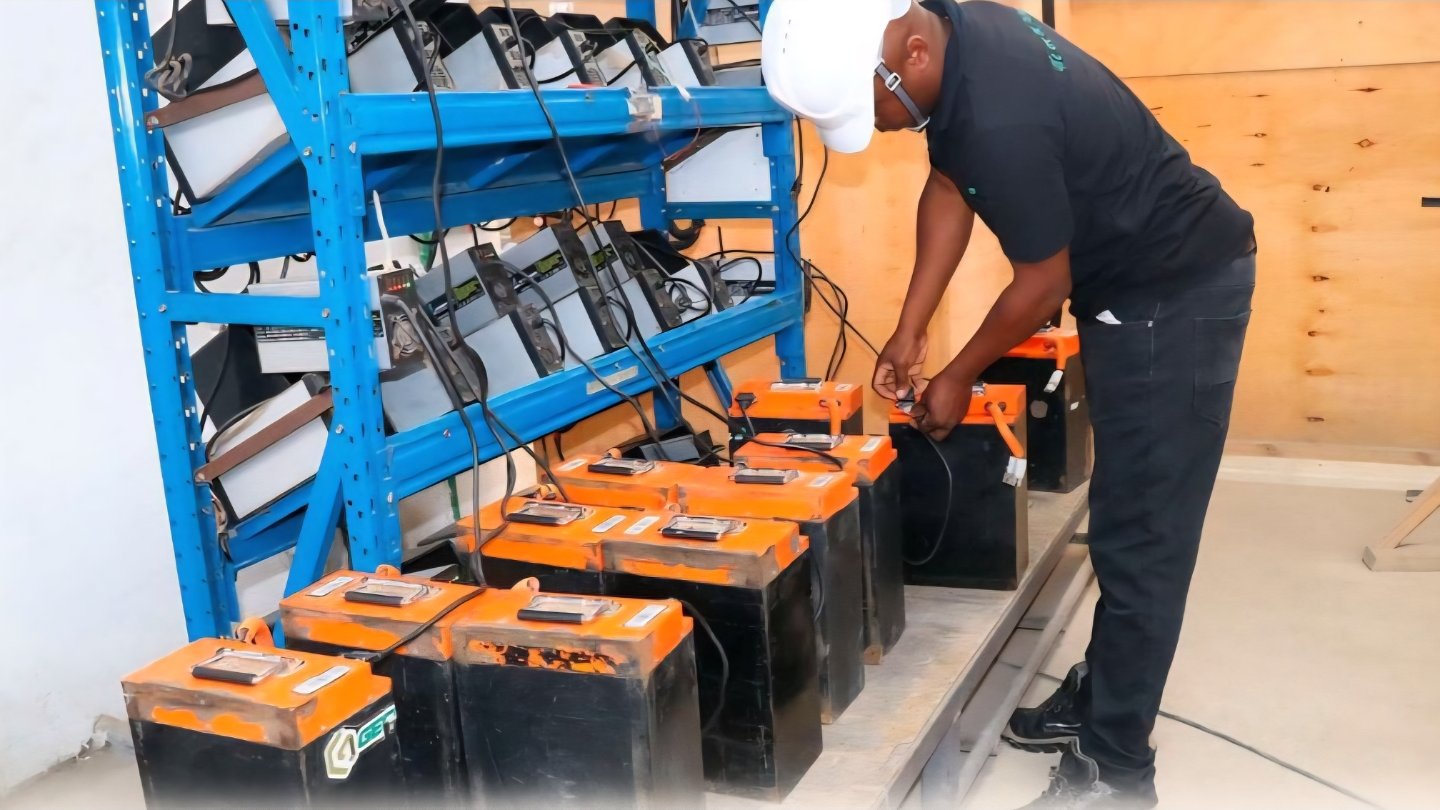

Kenya’s push toward clean transport infrastructure has encountered a major operational barrier, as high setup expenses delay regional expansion. High capital requirements for establishing battery-swapping locations are now limiting the reach of commercial electric two-wheelers beyond primary urban transit corridors.
Recent industry figures highlight how heavily the sector relies on two-wheeled transport. Out of roughly 25,000 Electric Vehicles (EV) currently operating on Kenyan roads, more than 24,000 are motorcycles, which account for approximately 96 per cent of total registrations nationwide.
Rapid growth in major cities was enabled by the convenience of exchanging depleted power units within minutes. However, operators attempting to extend these networks into rural communities are finding that standard facility financing models are no longer economically viable for prospective partners.
Leading operator Spiro recently suspended its franchise expansion programme, after prospective investors struggled to clear high financial entry barriers. Establishing a single battery-swapping station required local franchise holders to spend between Sh400,000 and Sh600,000 on civil and electrical works before factoring in land rent or staffing.
When accounting for secondary equipment and site preparation, total setup expenditures reached nearly Sh1 million per station. These high financial hurdles proved insurmountable for many small-scale entrepreneurs, who were expected to anchor infrastructure growth across smaller agricultural trading centres.
Rural transport hubs present a challenging financial calculation for network developers. While setting up a remote swapping hub incurs similar upfront capital costs as an urban facility, lower initial rider density significantly lengthens the period required to recover invested capital.
To overcome these cost bottlenecks, alternative operational formats are being tested across regional locations. Some companies, including Arc Ride, are deploying automated battery cabinets operated via Quick Response (QR) codes, which eliminate onsite staffing requirements and reduce physical footprint demands.
Other local energy startups are designing compact hybrid stations that integrate solar power with repurposed storage units. These innovative modular designs reduce capital expenditures by more than half, which allows providers to scale rural coverage without requiring massive third-party investments.
Technical fragmentation presents an additional structural challenge to industry growth. Most original equipment manufacturers construct motorcycles around proprietary battery designs, which prevents commercial riders from utilizing competitor swap facilities when travelling along regional transit routes.
Overcoming these technical and financial hurdles remains critical for reaching clean energy targets supported by President Ruto. Without unified technical standards and lower deployment costs, regional transport operators will continue relying on conventional petrol-powered motorcycles for daily commercial operations.
While urban commercial riders have embraced battery leasing due to lower daily operating expenses, extending services to rural areas requires continuous innovation. The long-term success of national e-mobility goals depends on developing cost-effective, adaptable infrastructure solutions across every county.
Industry analysts emphasize that lowering station installation costs will dictate the pace of future network growth. Operators must refine their commercial strategies, so that regional coverage remains financially sustainable for both station managers and daily commercial transport riders.
Establishing sustainable financing mechanisms for prospective station operators will be vital during the next development phase. Collaborative efforts between private firms, energy suppliers, and government bodies can help reduce initial civil works fees and expand charging availability across remote regions.
As competition increases among mobility firms, investment in decentralized power infrastructure will define market leadership. Finding the right balance between low station setup fees and reliable service delivery remains the defining test for Kenya's growing electric transit industry.
Comments (0)
Leave a Comment
No comments yet. Be the first to share your thoughts!