

Artificial intelligence is transforming daily life, from content creation to predictive analytics. But the infrastructure behind it is placing enormous pressure on global resources.
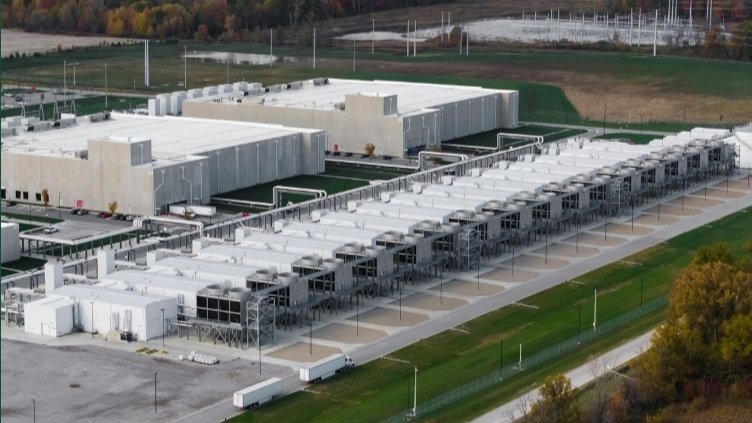
Data centres that power AI are consuming electricity and freshwater at an unprecedented scale. A report by the United Nations University’s Institute for Water, Environment and Health highlights the growing environmental footprint.
The global AI market is projected to grow from $189 billion to about $5 trillion by 2033. This expansion is driving a surge in data centre construction and operation.
Data centres already consume more electricity than many countries. If they were a country, they would rank 11th globally in electricity use. Their consumption in 2025 was enough to supply the residential electricity needs of sub-Saharan Africa’s 1.3 billion people for 2.6 years.
Water use is equally striking. Last year, data centres consumed enough water to fill 1.8 million Olympic-sized pools. By 2030, AI could use as much water as 1.3 billion people.
Cooling systems are the main reason. Servers, particularly those using powerful GPUs for AI tasks, generate significant heat. Fresh water is used for cooling because salty water accelerates corrosion of components.
In many regions, this demand is exacerbating water scarcity. Communities in parts of the United States have raised concerns about data centres worsening local shortages.
For Kenya, the issue is relevant as the country positions itself as a tech hub. Nairobi is often referred to as the Silicon Savannah. President Ruto has spoken about plans to host data centres in partnership with international firms.
A single large data centre could require substantial power, potentially straining the national grid. Water scarcity in parts of the country could also become a limiting factor for such projects.
The UN report calls for greater transparency. AI companies are being urged to publicly disclose the environmental impact of their data centres.
UN Secretary-General António Guterres has proposed an AI Environmental Transparency Initiative. He emphasised that AI can help solve climate challenges but must not create new ones through unchecked resource consumption.
Experts note that while AI offers opportunities for innovation, its physical infrastructure demands careful planning, especially in developing countries with limited resources.
The debate is shifting from AI as pure software to recognising it as physical infrastructure that requires land, water, power and minerals.
Comments (0)
Leave a Comment
No comments yet. Be the first to share your thoughts!