
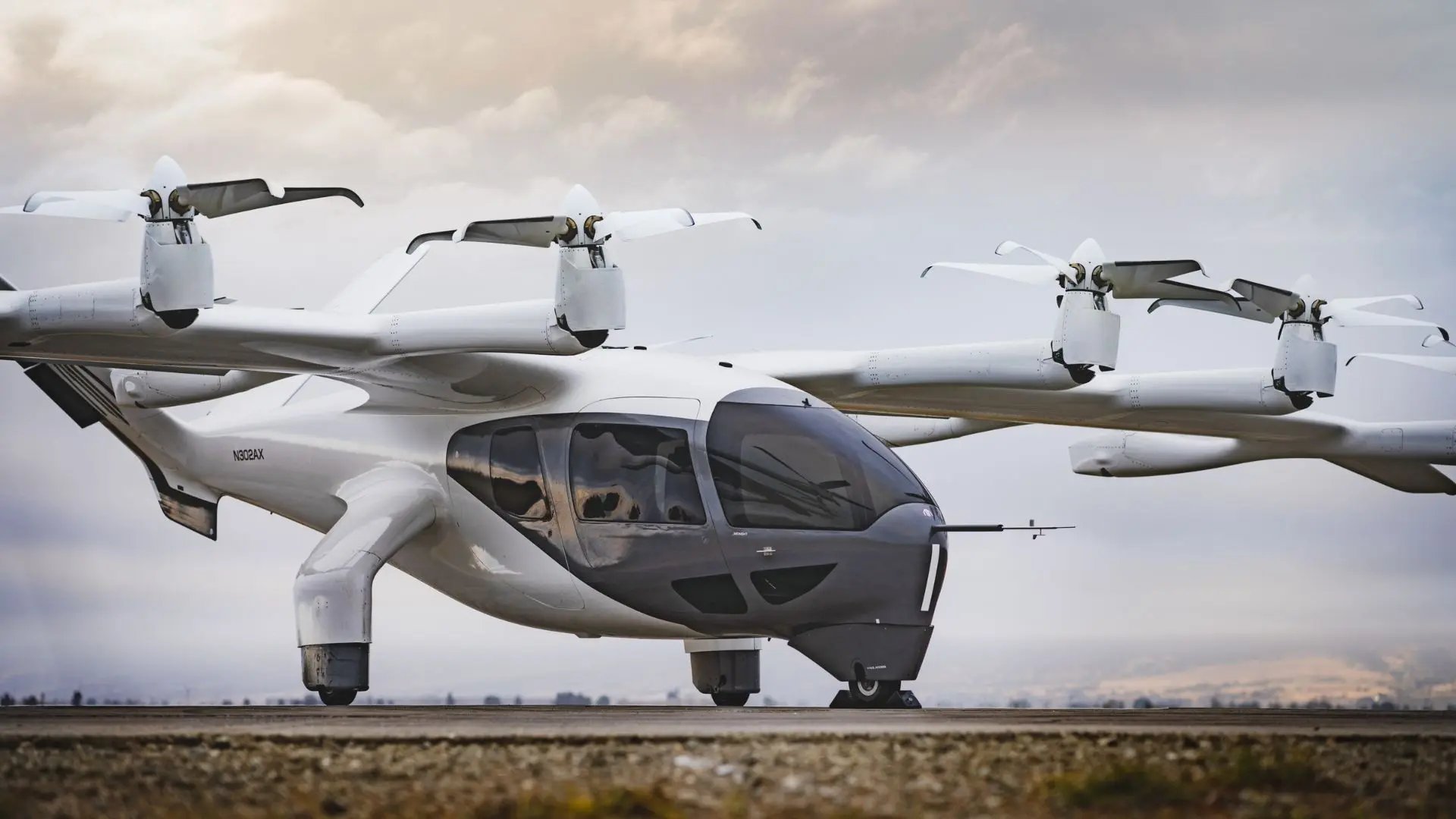

Archer Aviation, BETA Technologies, and Macquarie Capital have formed a partnership to build electric aircraft charging installations at 250 aviation sites across the United States by 2030. The joint venture operates as America’s Consortium for Electric Skyways (ACES).
This civil infrastructure rollout targets primary airport hubs and regional vertiports in major markets, including California, Texas, Florida, and New York. The network will support commercial Electric Vertical Takeoff and Landing (eVTOL) aircraft operations.
Under the agreement, BETA Technologies will manufacture and deliver high-voltage charging units for each site. The hardware relies on Combined Charging Standard (CCS) technology, which allows universal plug compatibility for different aircraft models.
The General Aviation Manufacturers Association (GAMA) endorses this open standard across the aerospace sector. Utilizing standardized plugs prevents competing manufacturers from constructing duplicate, proprietary charging stations at crowded airfields.
Archer Aviation will anchor initial charging site demand by running scheduled passenger air taxi flights. These passenger routes will focus on high-density urban corridors during morning and evening rush hours.
Meanwhile, BETA Technologies will use the shared power stations for medical transport and cargo logistics operations. Airfield ground service vehicles will also use the chargers, which improves overall facility efficiency.
Macquarie Capital will serve as the financial and strategic advisor for the nationwide buildout. The infrastructure firm will lead site acquisition, negotiate municipal leases, and structure project finance arrangements across all target cities.
Federal aviation regulators are tracking the progress of this ground network. The Federal Aviation Administration (FAA) recently created the eVTOL Integration Pilot Program (eIPP) to test operational integration in controlled airspaces.
Civil engineering teams are starting site assessments and power grid evaluations at designated regional airfields. Contractors must upgrade sub-station transformers, lay high-capacity power lines, and install heavy-duty concrete landing pads at each vertiport.
Municipal planning departments in key urban centers have begun reviewing zoning applications for vertiport construction. City officials are examining noise mitigation plans, structural load limits, and emergency power cut-off systems before granting building permits.
Construction schedules will require specialized electrical contractors to install next-generation energy storage units at remote locations. These battery storage banks help stabilize local utility grids during periods of high-power rapid aircraft charging.
Contractors will also construct physical passenger terminals, secure boarding corridors, and safety perimeter fencing around landing zones. Each location requires weather-resistant power distribution cabinets and fire suppression systems engineered specifically for high-capacity lithium-ion battery operations.
Industry analysts note that shared infrastructure significantly lowers entry barriers for new air mobility companies. By distributing capital costs among multiple operators, companies can scale flight operations faster across interconnected regional corridors.
Airport operators view the standardized charging grid as an opportunity to modernize ground support equipment. Electric baggage tractors, maintenance lifts, and passenger shuttles will connect to the same physical chargers between flight arrivals.
Commercial air taxi services are scheduled to begin as aircraft manufacturers finish rigorous federal certification trials. Full installation across all 250 planned charging locations will continue in systematic phases through 2030.
This collaborative infrastructure framework establishes a repeatable engineering model for future vertiport construction worldwide. Urban planners and airport authorities can now reference standardized physical layouts for next-generation electric flight facilities.
Comments (0)
Leave a Comment
No comments yet. Be the first to share your thoughts!