
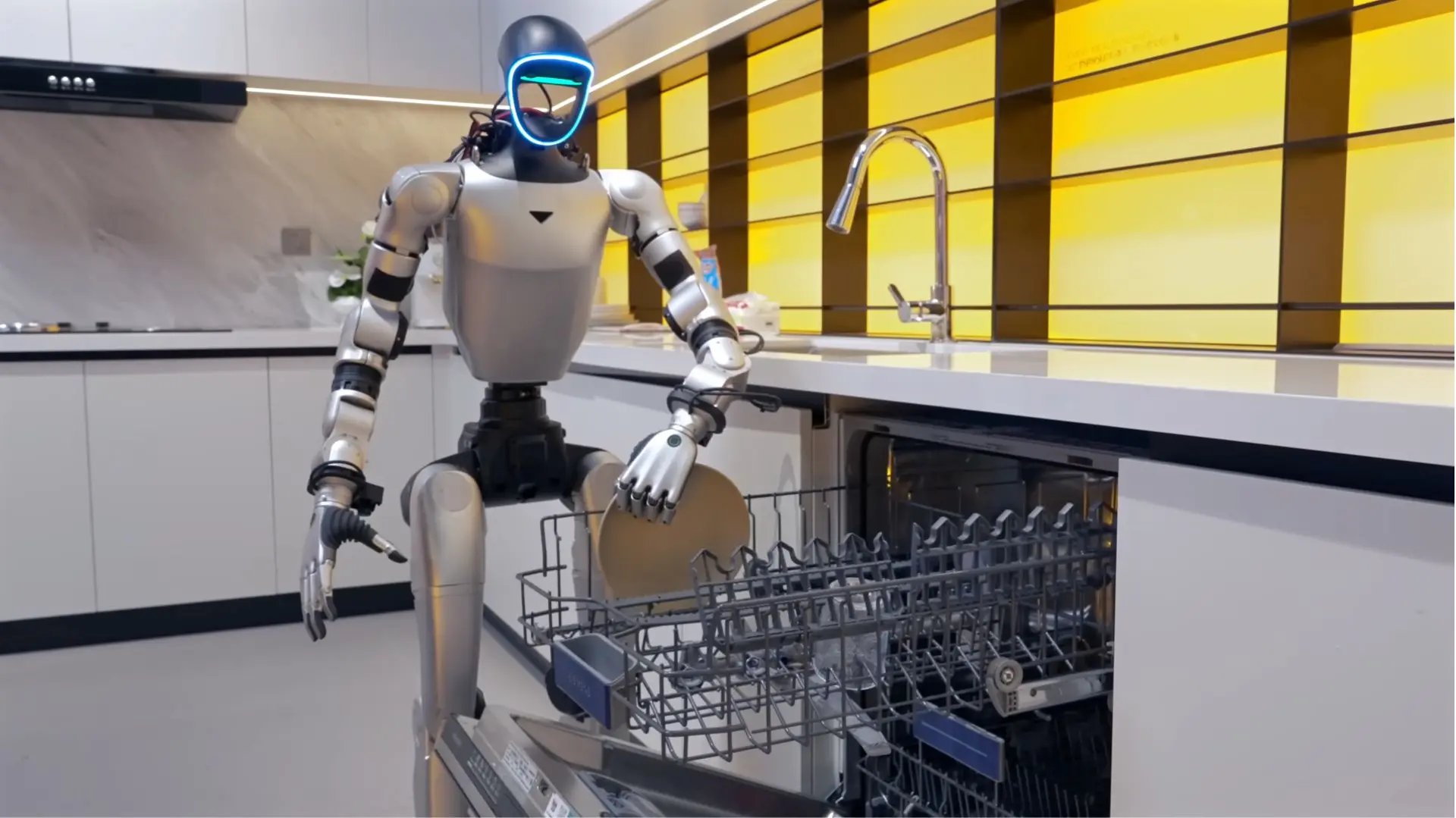

Federal communications regulators have expanded trade restrictions against foreign technology, adding mobile robotics and power grid equipment to a national security threat registry. The move immediately halts equipment certifications required for bringing new models into the American market.
The Federal Communications Commission (FCC) updated its Covered List on Tuesday to include foreign-produced advanced robotic devices and connected power inverters. The classification covers autonomous mobile hardware, including humanoid and quadrupedal designs, alongside grid-connected power conversion units.
Executive branch interagency determinations cited risks that internet-connected machines could expose critical infrastructure to cyberattacks or surveillance. Federal officials warned that networked equipment could be manipulated remotely or used to collect sensitive operational data.
The regulatory block specifically targets new equipment authorizations required for legal import, marketing, and distribution. Equipment models previously certified remain authorized for sale, and existing units already deployed across commercial or residential sites are not subject to a recall.
Regulatory approval can still be granted if manufacturers obtain conditional security clearances from designated federal agencies. The Department of War (DOW) will oversee security reviews for robotic systems, while the Department of Homeland Security (DHS) evaluates power inverter applications.
Trade analysts expect the decision to hit Chinese technology firms, particularly manufacturers dominating global production of small-footprint mobile robotics and solar power infrastructure. American utility developers relying on foreign components for renewable energy installations and data center power setups now face tighter compliance hurdles.
The measure marks the fourth major expansion of the Covered List since telecommunications equipment was first restricted. Previous actions targeted drone hardware and enterprise routing devices as federal agencies work to secure domestic supply chains supporting artificial intelligence deployment.
Comments (0)
Leave a Comment
No comments yet. Be the first to share your thoughts!