
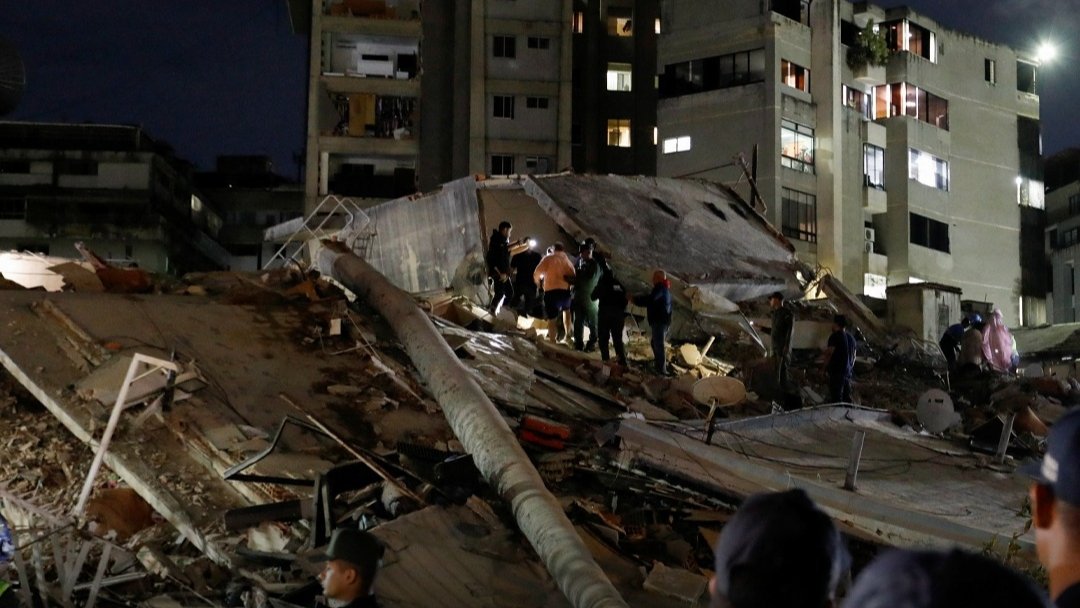

Strong earthquakes have struck Venezuela, causing widespread destruction in the capital Caracas. The tremors have left at least 32 people dead and around 700 injured according to acting President Delcy Rodríguez.
The back-to-back quakes hit the country on Thursday. Rescue teams continue searching for survivors under collapsed buildings in affected areas.
Caracas saw the heaviest impact with several structures damaged or destroyed. Residents reported intense shaking that lasted for several seconds in successive waves.
The death toll stands at 32 as of the latest reports. Authorities have warned that numbers could rise as teams reach more remote or heavily damaged zones.
Over 700 people have sustained injuries. Many require hospital treatment for fractures, cuts and other trauma caused by falling debris.
Venezuela’s acting President Delcy Rodríguez confirmed the figures in a public statement. She called for calm while emergency services focus on rescue and relief operations.
The quakes come at a challenging time for the South American nation. Infrastructure in some regions already faces maintenance issues that may have worsened the impact.
Building collapses have trapped people in multiple locations. Rescue workers use heavy equipment and manual methods to clear rubble and reach those still missing.
International aid offers have started coming in. Neighbouring countries and global organisations stand ready to support search and recovery efforts.
Earthquakes of this magnitude highlight the importance of resilient construction standards. Many buildings in Caracas and other cities may not have incorporated modern seismic design features.
Venezuela sits along active tectonic zones. The country has experienced significant seismic events in the past, though this episode appears particularly destructive in urban centres.
Authorities have urged residents to avoid damaged structures. Aftershocks remain a risk and could cause further collapses in weakened buildings.
The government has mobilised the military and civil defence units to coordinate the response. Temporary shelters are being prepared for displaced families.
Global monitoring agencies continue tracking seismic activity in the region. Updates on the exact magnitude and epicentre will help assess long-term risks.
The human and material toll serves as a reminder of how natural disasters test infrastructure readiness. Lessons from this event may influence future building codes and preparedness plans across vulnerable areas.
Comments (0)
Leave a Comment
No comments yet. Be the first to share your thoughts!