
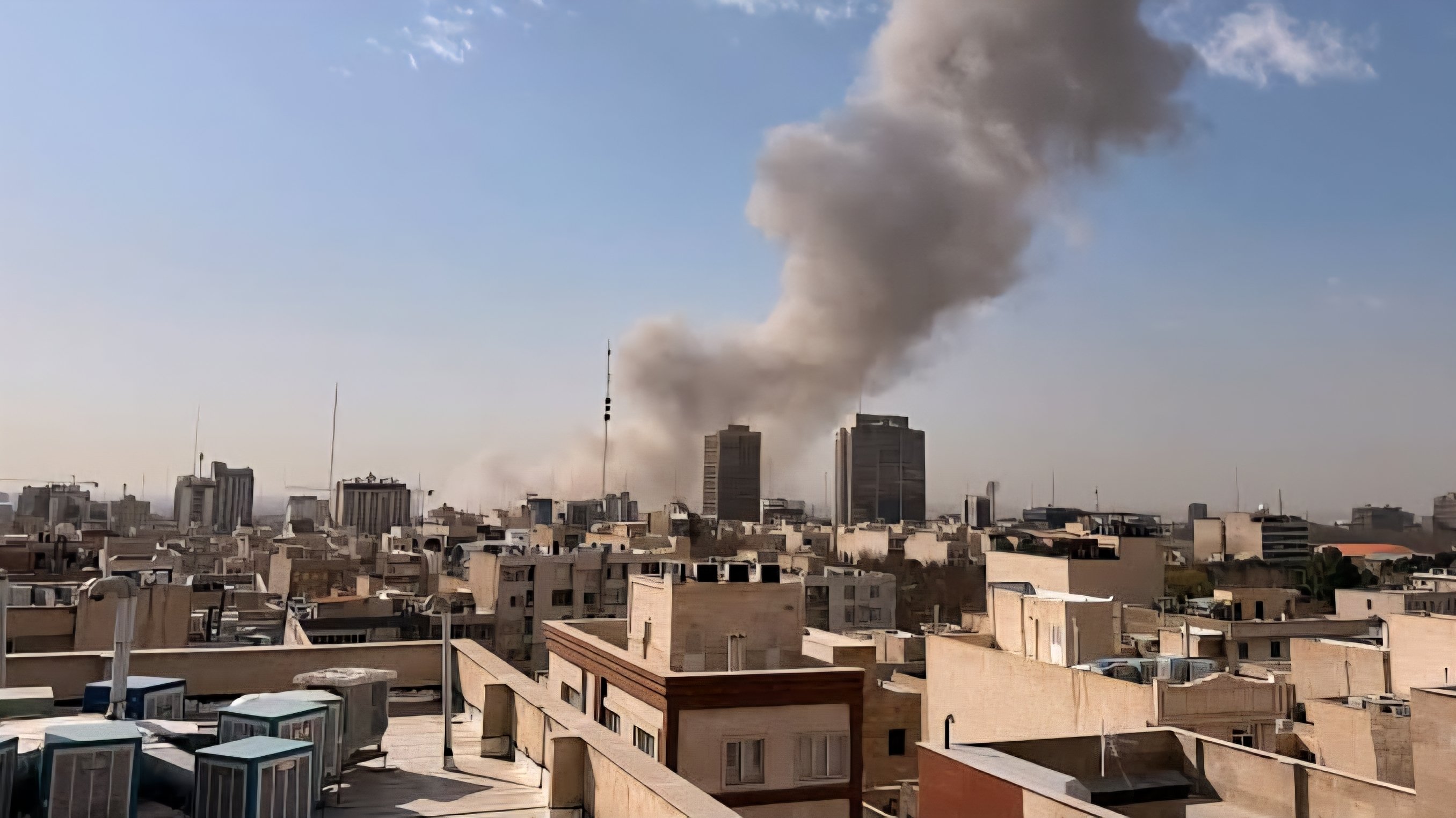

The global aviation and construction sectors are facing a period of severe economic volatility following a doubling of jet fuel prices linked to the intensifying conflict in the Middle East. Recent strikes launched by Israel and the US against targets in Iran on March 2, 2026, have sent shockwaves through energy markets, directly impacting the cost of transportation and the delivery of critical infrastructure materials.
In Kenya and across the broader East African region, the surge in Jet A-1 fuel costs is expected to exert significant pressure on both passenger travel and air cargo logistics. The price of aviation fuel has surged from a baseline of $85 per barrel to between $150 and $200 per barrel. This spike is particularly acute due to the effective closure of the Strait of Hormuz, a maritime chokepoint responsible for approximately 20 percent of global oil transit and nearly a quarter of global jet fuel exports.
For the construction industry, the implications extend beyond simple fuel costs. The Middle East serves as a primary source for essential materials, including steel, aluminum, cement, and bitumen. Journalists covering the sector note that the disruption of shipping lanes and the subsequent rise in freight rates are already complicating project timelines. Contractors are now forced to re-evaluate material escalation clauses in existing contracts as the cost of importing specialized components rises in tandem with energy prices.
Global airlines, including major carriers in Asia and Europe, have already begun implementing emergency fuel surcharges and fare adjustments. Estimates suggest that every $10 increase in the price of a barrel of jet fuel can lead to a 7 percent hike in long-haul airfares. For infrastructure projects dependent on international technical expertise or the air-freighting of high-value equipment, these operational costs represent a direct hit to project budgets.
The logistical strain is further compounded by the rerouting of flights to avoid conflict-affected airspace. Pilots are now flying longer southern routes or narrow corridors over Azerbaijan and Georgia, which increases fuel consumption and reduces overall cargo capacity. This reduction in air cargo availability is already causing delays in the delivery of critical aircraft parts and machinery needed for major engineering works.
Market analysts warn that the current volatility is not a temporary fluctuation but a systemic shock to global mobility. With global airline industry profits projected to be wiped out if prices remain at these levels, the construction and infrastructure sectors must brace for secondary impacts, including potential delays in heavy machinery procurement and increased costs for petroleum-based building materials.
Project managers and developers are being advised to secure temporary staging for materials and to conduct thorough reviews of supply chain risks. As the conflict continues to reshape the energy landscape, the focus remains on how quickly alternative supply routes can be matured to stabilize the costs of global development.
Comments (0)
Leave a Comment
No comments yet. Be the first to share your thoughts!