
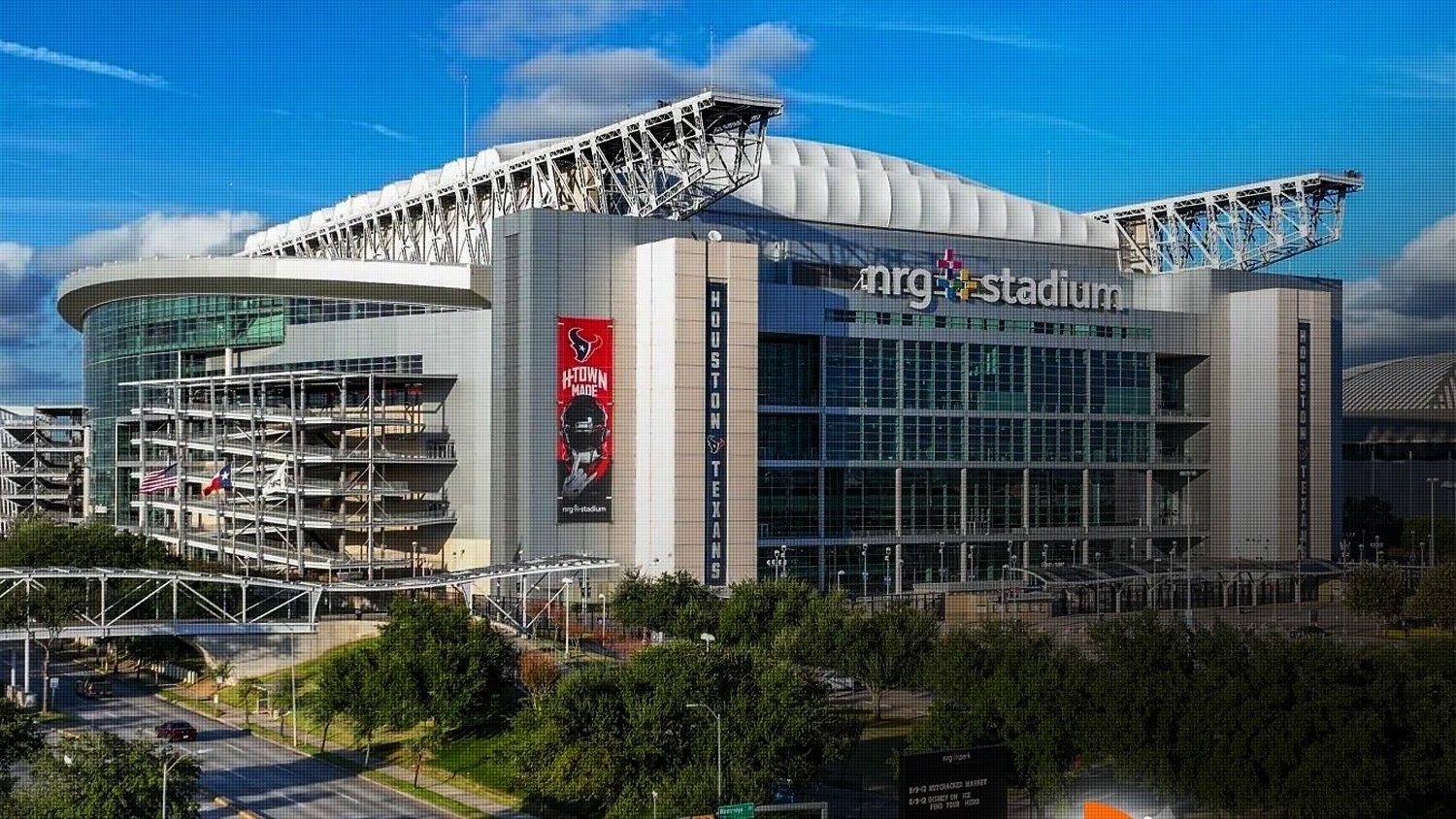

NRG Stadium in Houston, Texas, hosts match eleven of the 2026 FIFA World Cup on Sunday afternoon when Germany face Curaçao at 8PM Kenyan time. FIFA strips all commercial naming rights from host venues during the tournament, so NRG Stadium is known officially as Houston Stadium for the competition's duration.
The Vision and Construction
Houston Stadium was commissioned by Houston NFL Holdings, led by the late Bob McNair, after the city lost the Houston Oilers and wanted the NFL back. Groundbreaking took place on March 9, 2000, and the stadium opened on August 24, 2002.
Construction cost $352 million (approximately KES 45.5 billion) and was completed in 30 months. The building was designed in the range of 1.9 million square feet (176,500 square metres) to accommodate both football and the Houston Livestock Show and Rodeo.
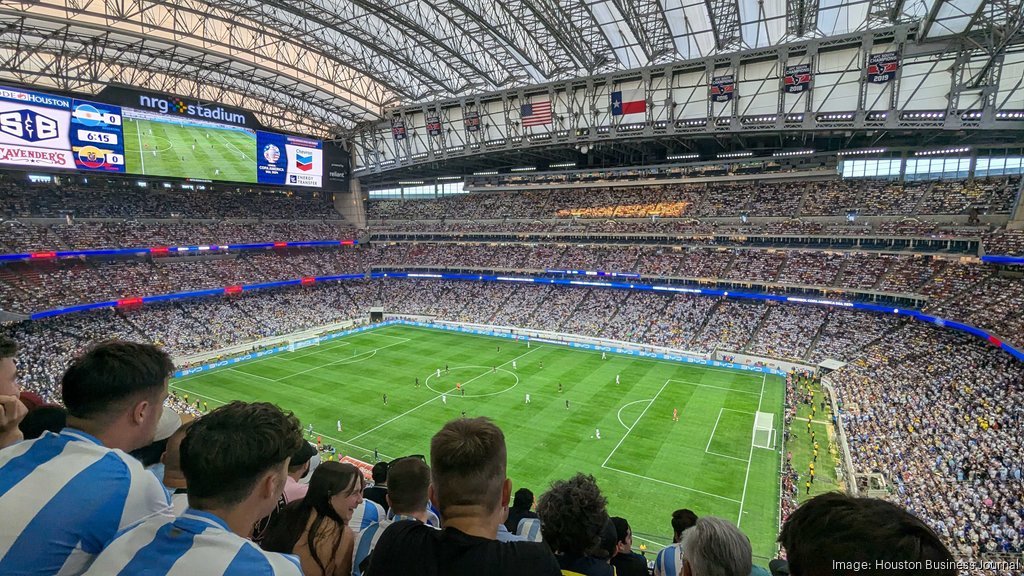
Inside the Houston Stadium /The Business Journals
The stadium sits beside the Astrodome, the domed venue it effectively replaced. The Astrodome, once called the Eighth Wonder of the World, has not hosted a major event since 2009 and remains standing next door, unused.
World Cup Debut and International Events
Houston Stadium was the first NFL stadium ever built with a retractable roof, opening that distinction in 2002. The design intention was to create a venue with the comfort of an indoor arena and the atmosphere of an open-air stadium.
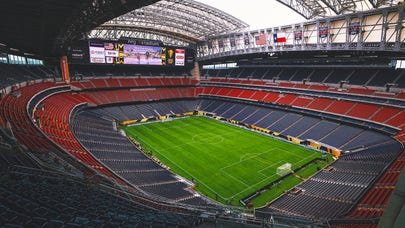
Houston Stadium interior /Fox Sports
The stadium has since hosted two Super Bowls and multiple NCAA Final Fours. The 2026 World Cup marks its first appearance as a host venue for football's biggest tournament, with Germany and Curaçao opening its group stage fixtures.
Engineering and Design
The stadium was designed by HOK Sport, now known as Populous, working alongside Lockwood, Andrews and Newnam and Hermes Architects under the joint venture name Houston Stadium Consultants. Walter P. Moore handled structural engineering.
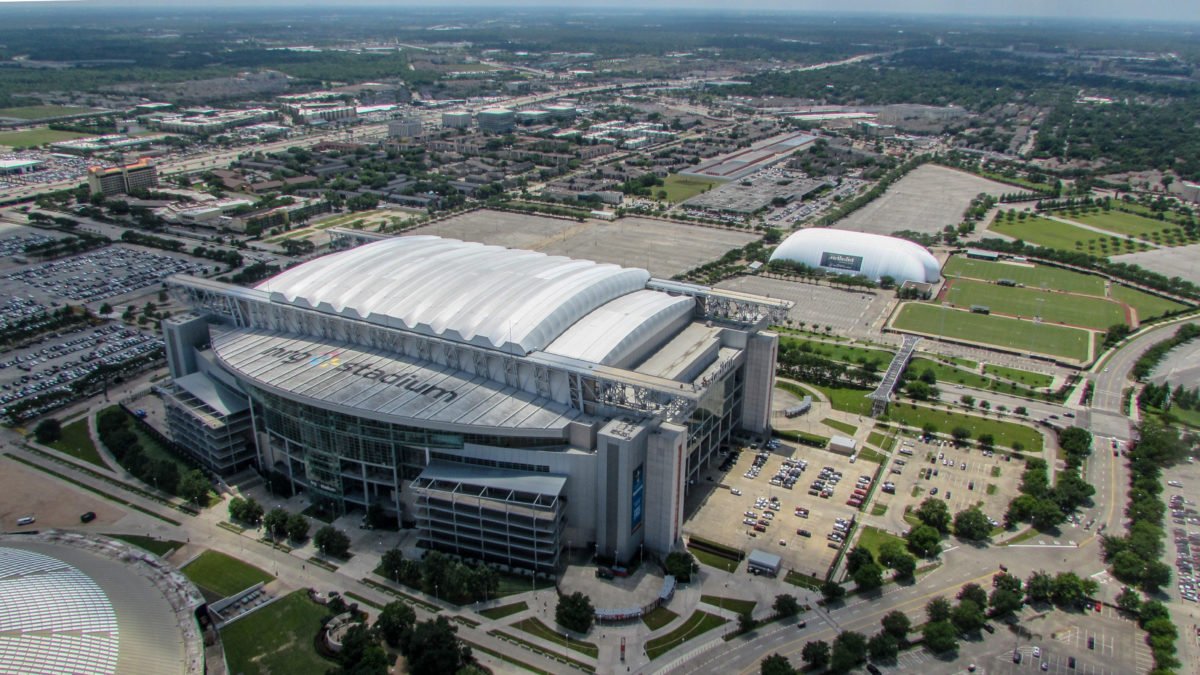
Aerial view of the Houston Stadium roof /Houston Public Media
The retractable roof consists of steel-hinged frames wrapped in translucent fabric, allowing natural daylight through even when closed. Its opening dimensions measure 500 feet (152 metres) by 385 feet (117 metres), among the largest of any retractable roof structure built at the time.
Large glass curtain walls form much of the facade, designed to keep the building as transparent as possible. At night, the stadium glows from within, with concourses open to views of the field below.
Modern Setup for 2026
Houston Stadium has a current seating capacity of 72,220, expandable to 80,000 for special events. The venue typically uses Hellas Matrix synthetic turf for Texans games, but FIFA's natural grass requirement means a temporary grass surface has been installed for the tournament.
The stadium includes over 7,000 club seats and 196 executive suites. Its air conditioning system has a capacity of 12,000 tons, among the largest indoor air-conditioned spaces in the country, a significant factor for a tournament played through the Houston summer.
What Makes It Unique
Houston Stadium's retractable roof was the first of its kind in NFL history, and the design has since been copied by venues including AT&T Stadium in Dallas and SoFi Stadium in Los Angeles, both far costlier builds.
Its position next to the Astrodome, the building that first proved domed stadiums could work, gives Houston Stadium a direct architectural lineage. One stadium pioneered the indoor concept. The other perfected climate control around it..
Comments (0)
Leave a Comment
No comments yet. Be the first to share your thoughts!