
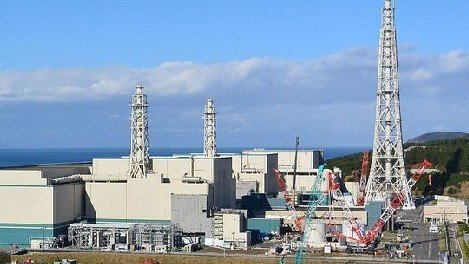

Japan's Kashiwazaki Kariwa nuclear power plant the world's largest by installed capacity with seven reactors totaling over 8,200 megawatts encountered a significant but contained setback in late January 2026. Just hours after the long delayed restart of Reactor No. 6, operations were suspended due to an alarm in the control rod system underscoring the meticulous caution that defines Japan's post Fukushima nuclear revival.
Operated by Tokyo Electric Power Company (TEPCO) and located along the Sea of Japan in Niigata Prefecture the facility has been largely dormant since the March 2011 disaster at Fukushima Daiichi, another TEPCO site. A 9 magnitude earthquake triggered a towering tsunami that flooded Fukushima Daiichi's backup generators leading to loss of cooling, meltdowns in three reactors hydrogen explosions and major radiation releases. Over 150,000 people were evacuated with lingering health, environmental and psychological impacts. In the disaster's wake Japan idled all 54 reactors nationwide erasing nearly 30% of its electricity supply overnight and shifting reliance to costly imported liquefied natural gas and coal.
The shutdown exposed vulnerabilities in energy security and accelerated carbon emissions, prompting a gradual, heavily regulated return to nuclear power. Post 2011 reforms introduced by the Nuclear Regulation Authority imposed stricter seismic, tsunami, and severe accident standards. Since 2015, 15 of 33 eligible reactors have restarted, contributing to Japan's net-zero emissions target by 2050 while reducing fossil fuel dependence.
Kashiwazaki Kariwa's Reactor No. 6, an advanced boiling water reactor (ABWR) idle since before 2011, became a priority. Fuel loading occurred in 2025 and after exhaustive safety reviews and local consultations the Nuclear Regulation Authority granted restart approval despite ongoing community opposition. Protests in Niigata and Tokyo highlighted fears rooted in Fukushima with residents questioning whether enhancements like improved tsunami defenses filtered venting, and hardened emergency systems could guarantee safety.
The restart sequence began cautiously. Originally planned for Tuesday, January 20, 2026, it was postponed one day after a test revealed an alarm malfunction ironically the alarm failed to activate as expected during checks. On Wednesday evening, January 21, control rods were withdrawn starting at 7:02 p.m. local time. Criticality the point of self-sustaining chain reaction was achieved around 8:30 p.m., marking a milestone as TEPCO's first reactor restart since Fukushima.
Progress halted abruptly early Thursday, January 22, at 12:28 a.m. After 52 of the unit's 205 control rods had been sequentially removed the control rod operation monitoring system triggered an alarm for one specific rod. TEPCO immediately suspended withdrawal. Company statements emphasized reactor stability no unintended power excursion no radiation release and no off-site impact occurred. The monitoring system, designed to detect anomalies like irregular rod movement, potential binding, drive mechanism issues or sensor faults, performed its safety function by prompting the halt.
Control rods fabricated from neutron absorbing materials like boron carbide or hafnium alloys regulate fission by adjusting neutron flux. In BWRs like this one, rods insert from below the core via hydraulic drives, allowing precise incremental adjustments during startup. The monitoring system provides redundant oversight: position indicators track each rod, step counters log drive actions and alarms flag deviations to prevent unsafe reactivity changes especially critical at low power where small shifts have outsized effects.
Investigators are analyzing data to pinpoint the cause possibly mechanical, electrical (a separate inverter alarm was noted in some reports), or sensor-related. No firm resumption timeline has been announced reflecting the conservative approach required under current regulations.
The incident amplifies broader challenges. Public trust remains fragile Fukushima's shadow fuels skepticism with civic groups demanding transparency and further delays. Reactor No. 7 faces a potential 2030 restart at earliest while the other five units risk decommissioning if upgrades prove uneconomic or unfeasible diminishing the plant's once dominant role.
Japan's energy strategy hinges on nuclear contributing reliably to decarbonization amid rising electricity demand from electrification and data centers. Each technical interruption, even minor, tests resolve. This episode at Kashiwazaki-Kariwa resolved without hazard but revealing persistent hurdles illustrates that reviving nuclear power demands unwavering vigilance, robust engineering and sustained societal acceptance in a nation forever marked by 2011.
Comments (0)
Leave a Comment
No comments yet. Be the first to share your thoughts!