

The Vision and Construction
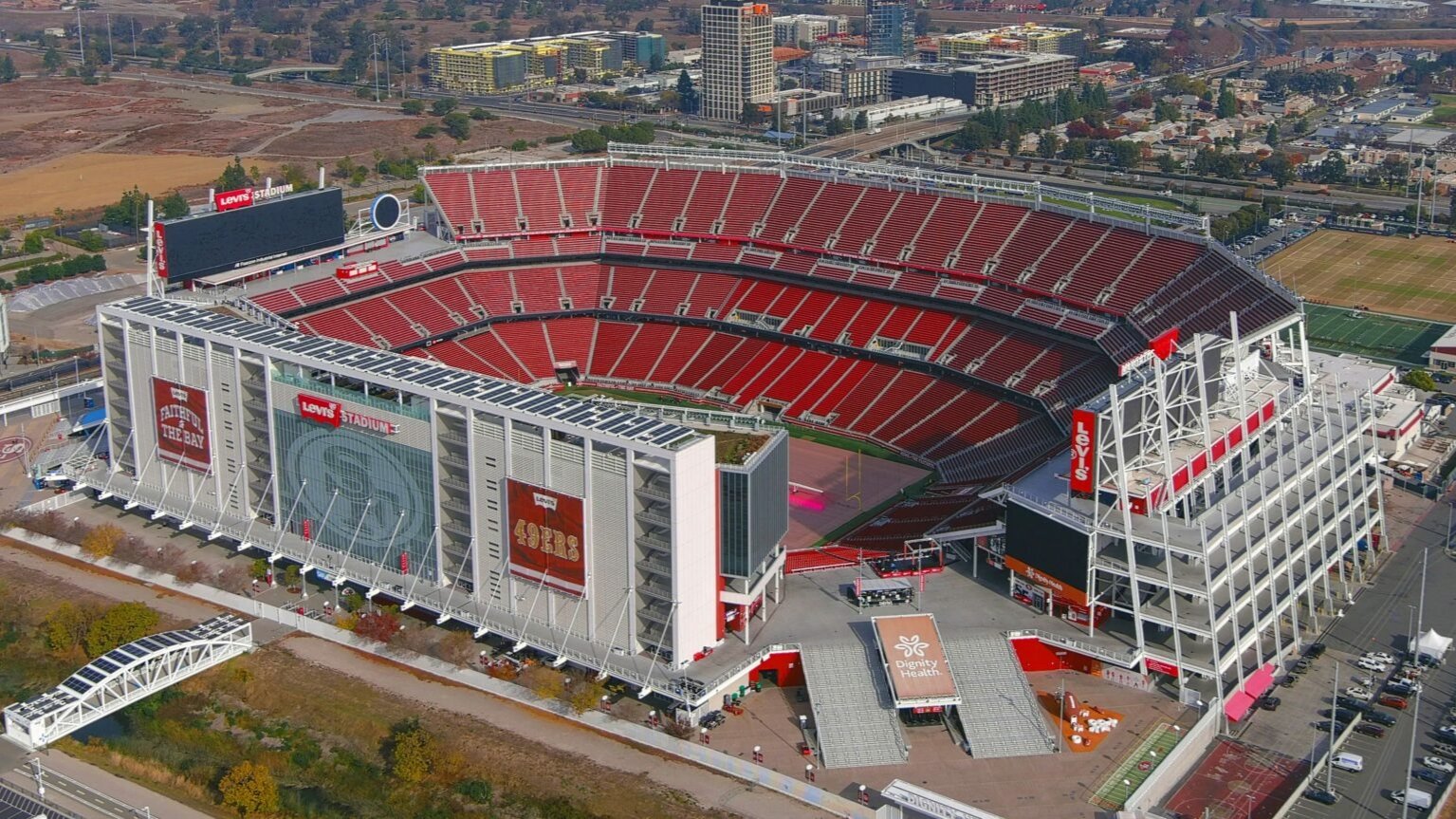
San Francisco Bay Area Stadium stands in Santa Clara, California approximately 8 kilometers (5 miles) from Google headquarters in Silicon Valley. The venue, permanently known as Levi's Stadium, was renamed for the FIFA World Cup 2026 due to branding regulations prohibiting commercial sponsor names.
The project cost $1.2 billion (KES 155 billion) and was privately funded by San Francisco 49ers owner Jed York and the York family, with additional funding from the City of Santa Clara. Construction began in June 2012 with the stadium opening August 17, 2014.
Work took two-and-a-half years on a tight schedule to open before the 2014 NFL season. HKS Architects designed the stadium with structural engineering by Ross Barrett and Walter P Moore. Over 1,500 workers contributed approximately 4.5 million worker hours to the project.
Inside San Francisco Bay Area Stadium /KTVU
The stadium spans 121,400 square meters (1.3 million square feet) on 27.5 hectares (68 acres) in Santa Clara's Sports Complex. The York family sold their previous stadium 3Com Park to fund the new construction.
World Cup Debut and International Events
Levi's Stadium became home to the San Francisco 49ers when it opened and has hosted college football games, concerts, and major entertainment events alongside NFL football. The stadium hosted Super Bowl LIX in 2025 between the Philadelphia Eagles and Kansas City Chiefs.
Other events include the NCAA Frozen Four, WWE events, and concerts by Beyoncé, Taylor Swift, and Kanye West. The facility will host seven matches including five group stage games and two Round of 32 matches through the tournament.
San Francisco will host World Cup matches June 13 through the Round of 32 with the stadium serving as the primary Bay Area venue.
Engineering and Sustainable Design
Levi's Stadium became the first NFL stadium to achieve LEED (Leadership in Energy and Environmental Design) Platinum certification for sustainable design. The facility is the most environmentally advanced stadium in professional sports with solar panels, water recycling systems, and zero-waste operations.
The stadium features 4,000 solar panels generating 1.2 megawatts of power offsetting 15 percent of electricity usage. The water recycling system includes 757,000 litres (200,000 gallons) of storage tanks treating 90 percent of wastewater onsite.
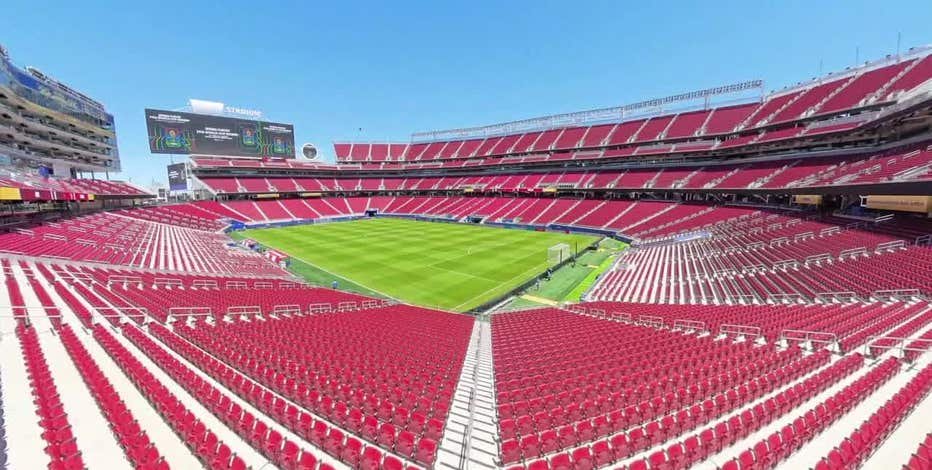
Interior space totals over 78,000 square meters (850,000 square feet) with 169 luxury suites seating 8,000 people and 5,000 club seats. The venue has 1,400 LED screens including two massive video boards measuring 49 meters (160 feet) wide and 12 meters (40 feet) tall among the largest in the NFL.
The 55-meter (180-foot) wide open-air entrance at the east end creates a dramatic gateway. Native California landscaping surrounds the facility with 300 trees and 150,000 plants planted onsite. The open-air design provides natural ventilation and Bay Area climate comfort.
What Makes It Unique
San Francisco Bay Area Stadium has 70,000 capacity for World Cup matches. The stadium stands in Silicon Valley creating a unique connection between technology innovation and sports. Its proximity to Google headquarters and tech companies makes it a destination for tech-sports convergence.
The venue will host Match 5 with Qatar vs Switzerland in Group B on June 13, 2026 at 3:00 PM PT (10PM Kenyan Time). This is the first World Cup match at this revolutionary Silicon Valley stadium.
Comments (0)
Leave a Comment
No comments yet. Be the first to share your thoughts!